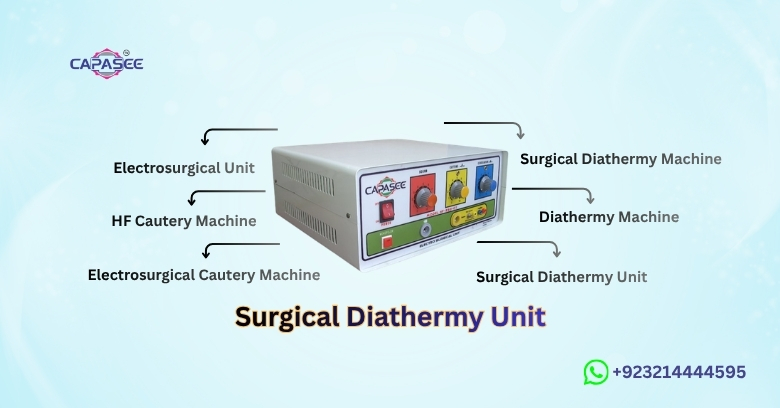
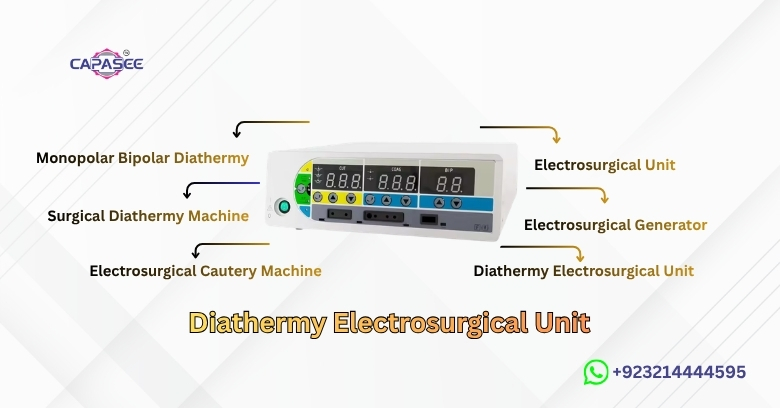
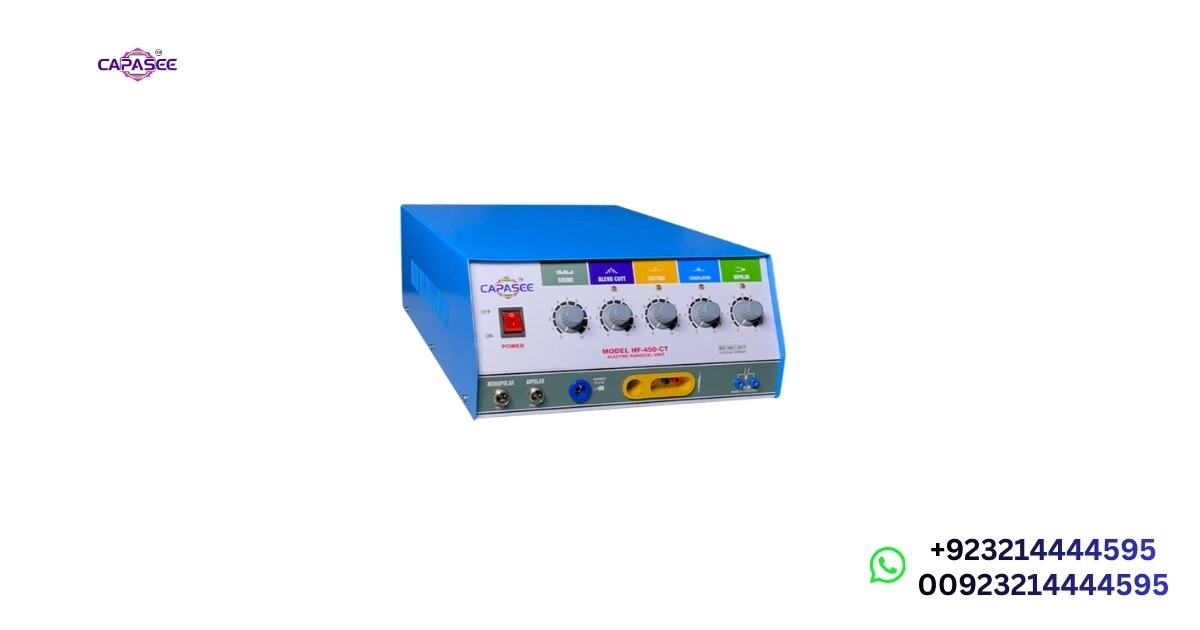
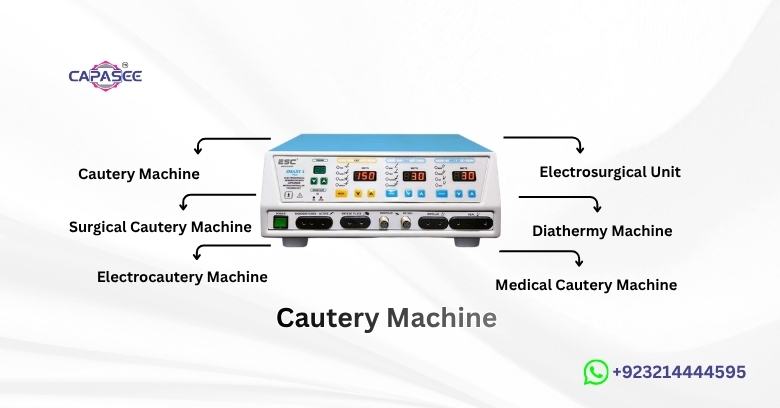
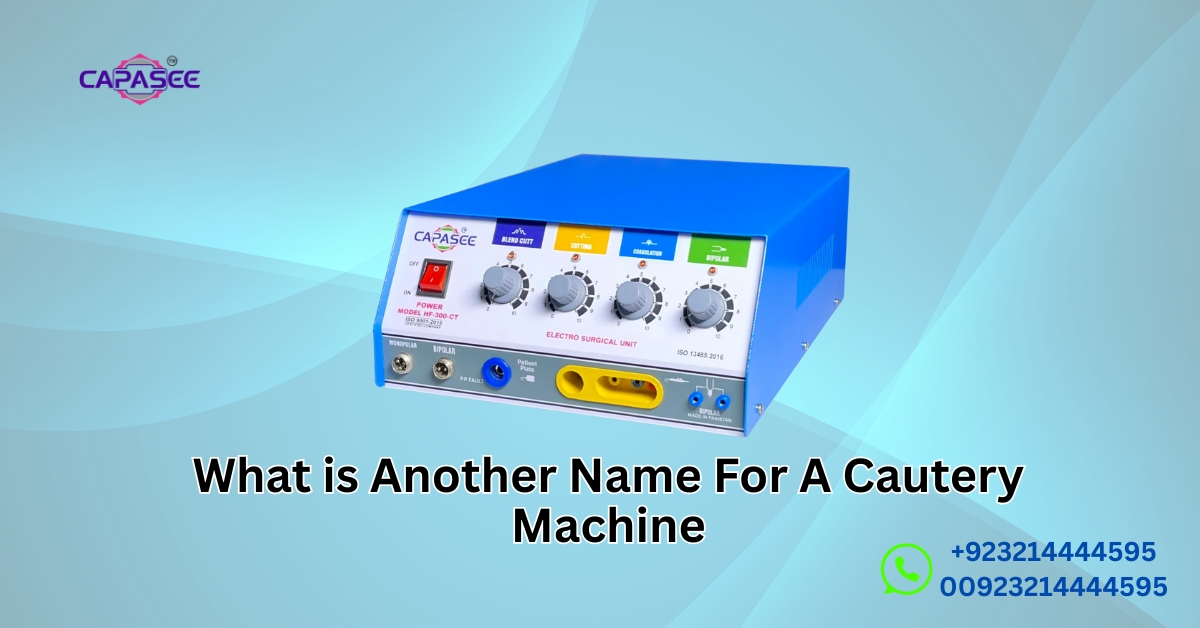
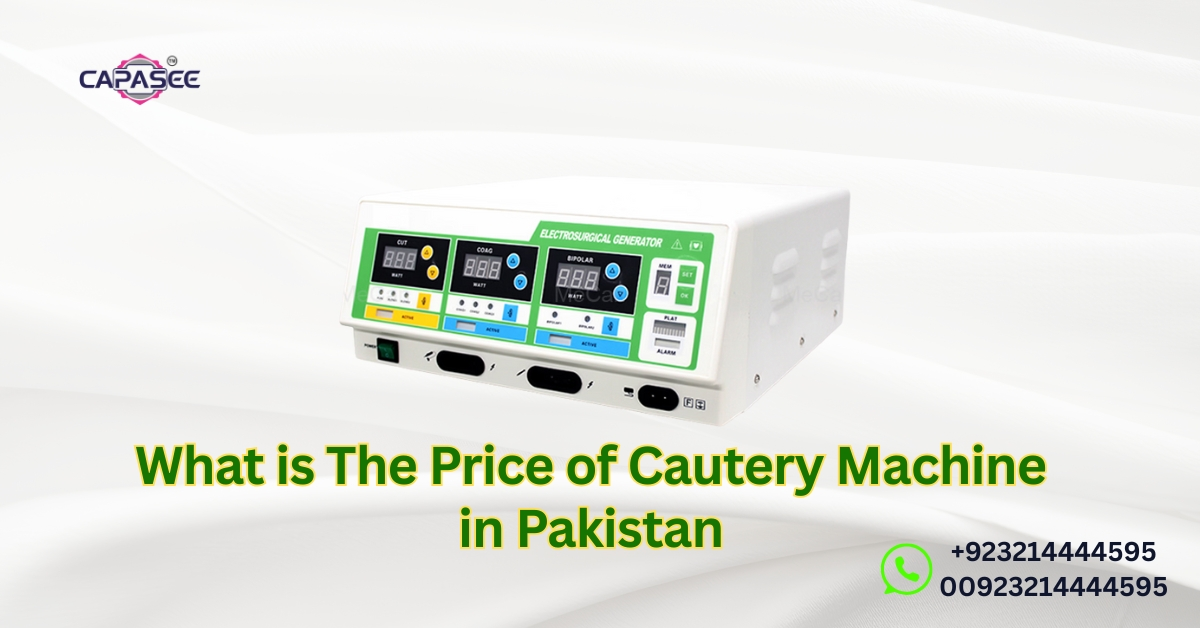
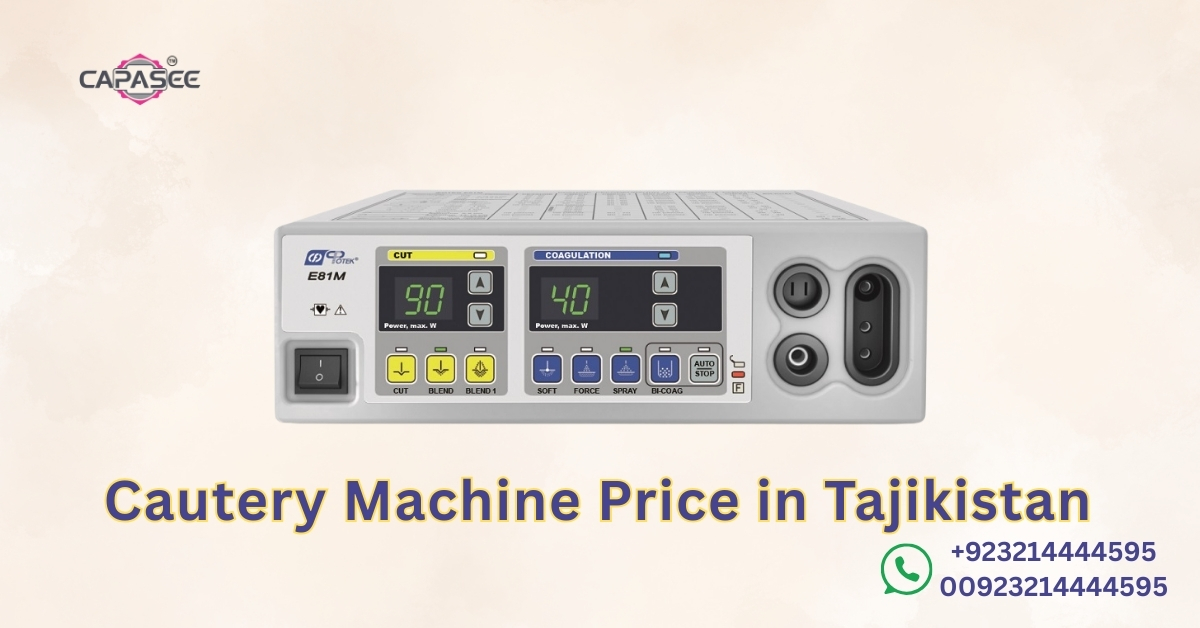
Electro Surgical Unit

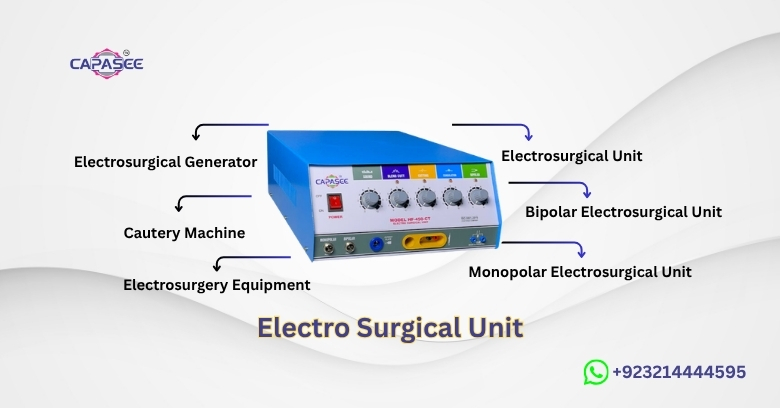
From a basic appendectomy to a complicated cardiac surgery, all major surgeries in any operation theatre in Pakistan today are conducted using a machine that is seldom recognized; the electro surgical unit. Most healthcare professionals, clinic owners, and even some biomedical technicians, however, only understand it at a superficial level, enough to turn it on, but not enough to safely use it or select the appropriate one.
The difference is significant today, as there are fast growing private hospitals and surgical clinics, and the acquisition of their equipment has outpaced the training of staff on them. This is not a textbook lesson on the theory of an electro surgical unit but rather from the real life experience of biomedical engineering from articles written by the author. At the end, you will have sufficient knowledge to ask the appropriate questions before the next purchase or repair decision.
What Is an Electro Surgical Unit and How Does It Work?
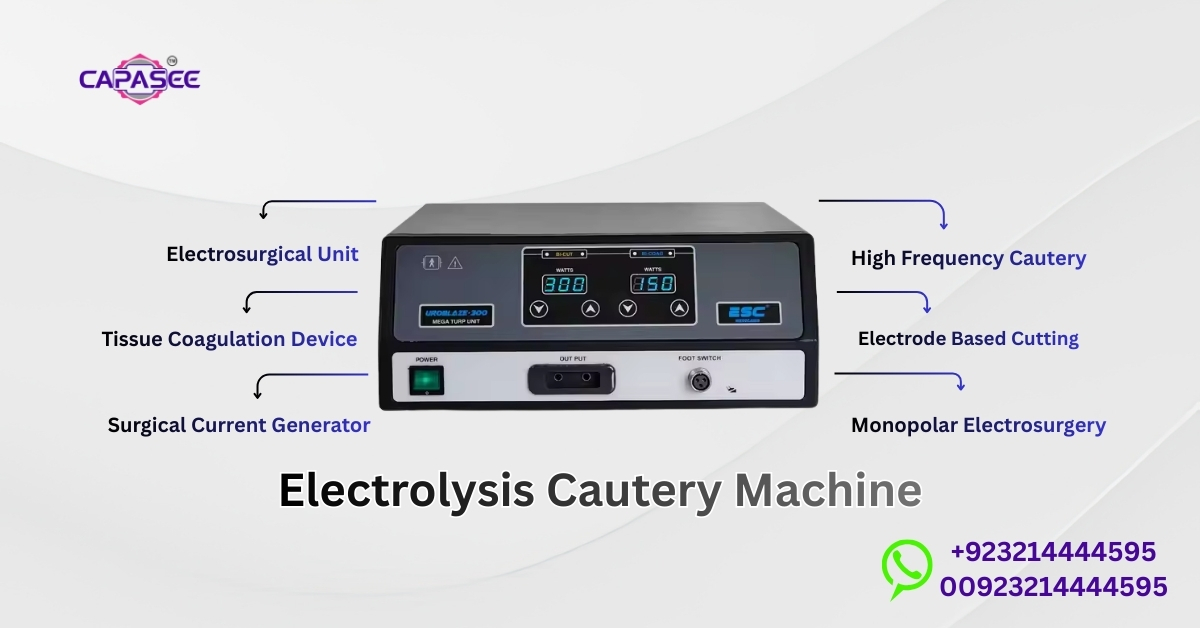
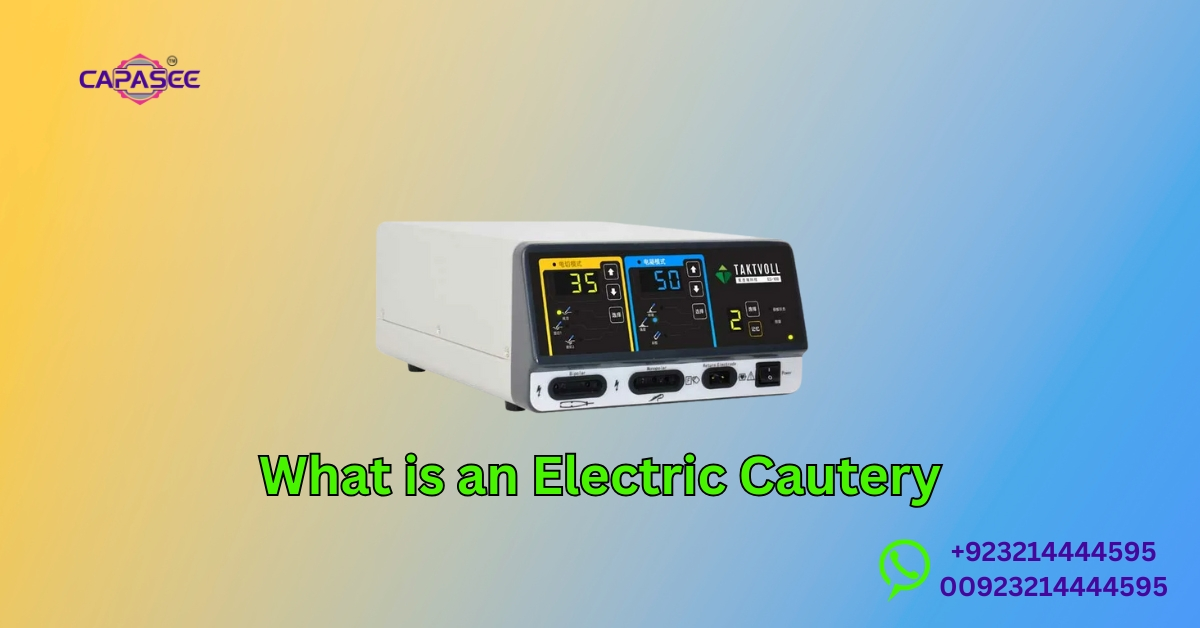
An electro surgical unit is a medical machine that uses high frequency electrical current to make cuts in tissue and stop bleeding or remove abnormal growths during surgery. It is used in many surgeries as a substitute for a scalpel; it can cut and seal blood vessels simultaneously. This dual action minimizes blood loss and minimizes the time of the operation, which is important in busy hospitals in Pakistan where the turnover of the operation theatre is often tight.
It’s used by surgeons from all departments, including general surgery, gynecology, ENT, and urology. One electro surgical unit may be used for dozens of procedures in a week in a moderate size hospital, one of the most used machines in any surgical department.
Electro Surgical Unit Working Principle Explained
This unit produces a high frequency alternating current, typically in the range of 200 kHz to 3.3 MHz, that is directed through the patient’s tissue. The frequency also causes the cells to heat quickly, without stimulating muscle or nerve, so the patient is not stimulated during activation. With the choice of a specific waveform, the heat either “cuts” through tissue or coagulates blood vessels.
Consider it to be a type of concentrated heat, not a blade. The current travels from the active electrode, through the tissue, and back to the generator through either a return pad or a second instrument tip. This is all managed by a foot pedal or button on the handpiece; depending on the type of tissue and procedure required, surgeons can control the power output.
You can read this too: Cautery Machine in Pakistan
Key Components of an Electro Surgical Unit
All electro surgical units have 4 fundamental components; the generator, the active electrode, the return electrode, and the connecting cables. The generator is the “brain” of the system; it transforms the electricity into a high frequency necessary for surgery. In the operating room, the entire unit is useless if the generator doesn’t work.
The active electrode is usually in the form of a pencil or forceps that send the current straight to the tissue. The return electrode, which is typically attached to the patient’s thigh or back with a grounding pad, returns the current to the ground. In fact, at Capasee Electro Medical Engineering, we have had patients who suffered burn injuries due to a faulty return pad connection, which is why it is as important as the machine itself to ensure that the parts are manufactured to the highest standards and that correct handling procedures are taught.
Types of Electro Surgical Units Used in Pakistani Hospitals
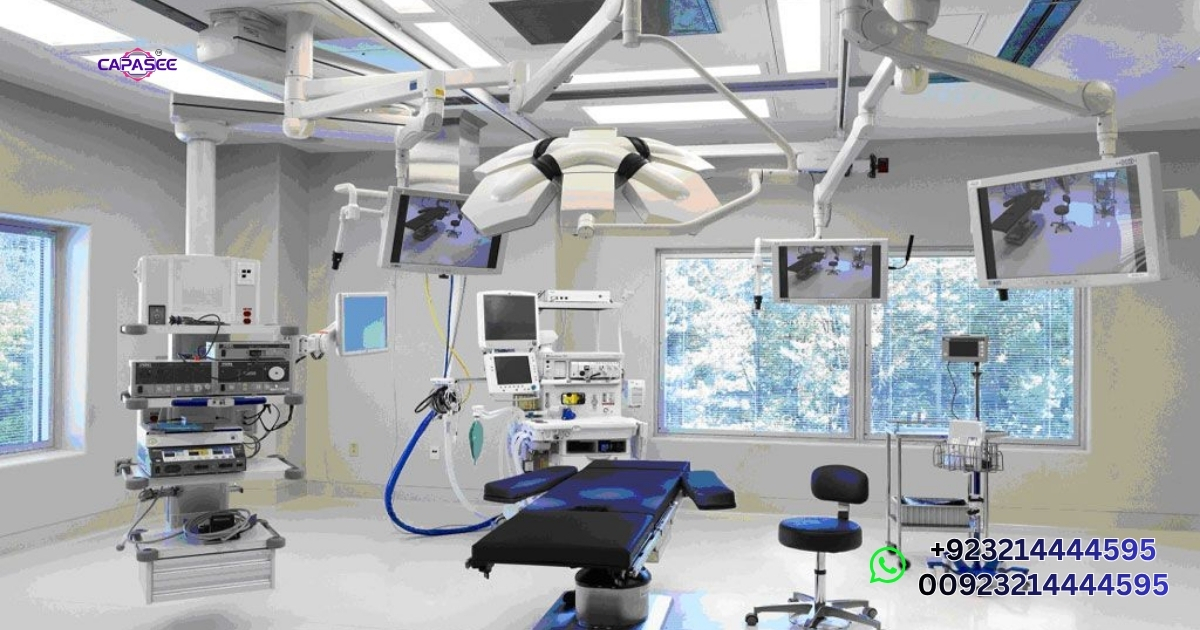
The two most common types of electro surgical units used in Pakistani hospitals are monopolar and bipolar, of which the newer digital units are being used more frequently in private hospitals. Despite the financial constraints, government hospitals still use the previous generation monopolar analog units, whereas private hospitals in major cities, such as Lahore, Karachi, and Islamabad, are adopting advanced digital systems. The change is driven by the expectations of patients for better safety and by the competition among private health care providers.
The correct type is not only a technical choice but also one that has a direct impact on patient safety, procedure accuracy, and long term maintenance costs. When it comes time to make a purchase, it is important to understand these categories because they require different requirements for a surgeon who is performing laparoscopic procedures versus one who is undertaking open general surgery.
Monopolar vs Bipolar Electro Surgical Unit – Which One Do You Need?
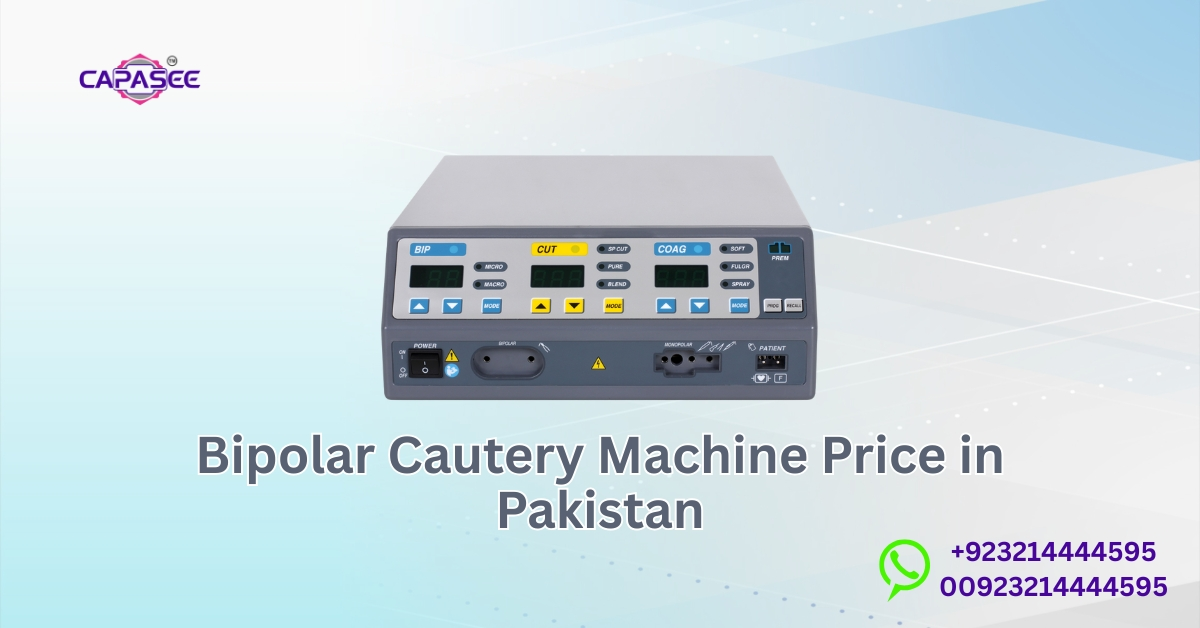
While monopolar units are more suitable for cutting and coagulating larger tissue areas, bipolar units are more precise and may be safer to use in proximity to sensitive structures such as nerves or blood vessels. Monopolar systems have a return pad on the patient’s body with current flowing through a wider tissue path. Only current travels between the two tips of the forceps in bipolar systems, which restricts current flow and decreases the possibility of unwanted damage to the tissue.
In high patient volume general surgery departments, monopolar units are still the best option, as they are less expensive and more versatile. Developed for specialties such as neurosurgery, plastic surgery, or gynecological laparoscopy, bipolar units are typically the more advantageous option because of the low risk of stray current reaching adjacent organs. There are some hospitals that have both of these types now in their possession in Punjab and switch between them according to the procedure they are performing.
Explore & Shop: Our Products
Advanced Features in Modern Electro Surgical Units
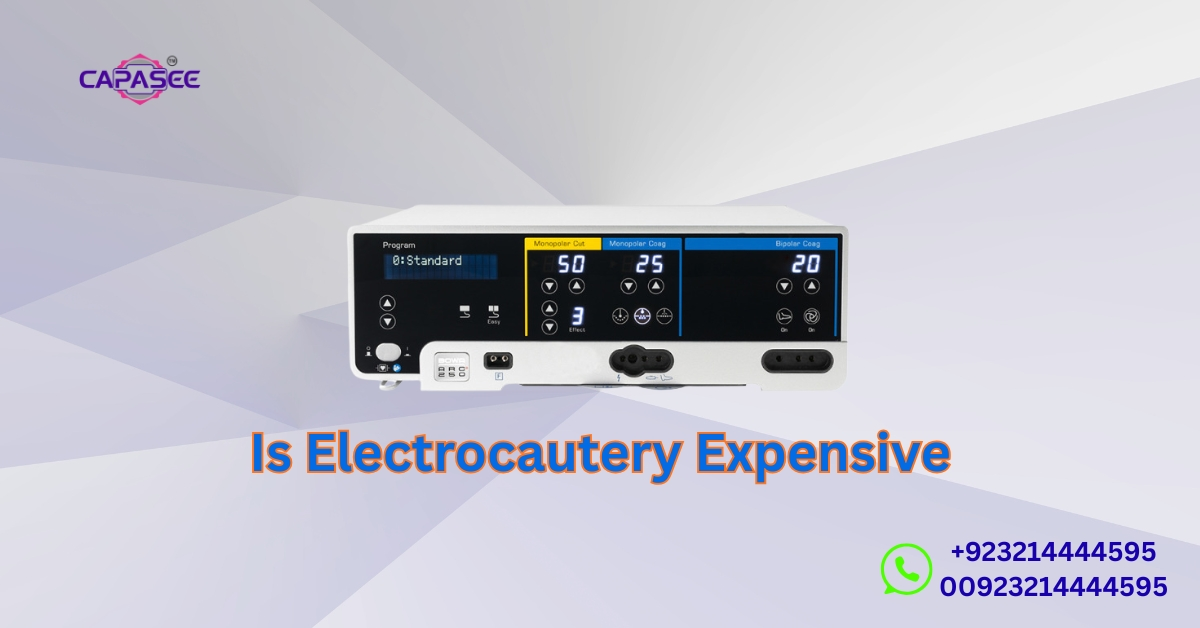
Modern electro surgical units have adjustable waveform control, digital touchscreens, and automatic tissue detection, as well as dual footswitches for cutting and coagulation. All of these help minimize human error and provide surgeons with greater control when performing sensitive tasks. By eliminating the potential for incorrect dosage, a digital display can avoid errors that analog dials were known to cause.
Basic or advanced surgical models should be carefully compared to determine the best choice for any hospital that is upgrading their surgical department. The following table shows the real life differences that impact operating room practice.
Comparison Table: Basic vs Advanced Electro Surgical Units
| Feature | Basic ESU | Advanced ESU |
| Waveform Control | Fixed | Adjustable |
| Safety Alerts | Manual | Auto detection |
| Display | Analog | Digital Touchscreen |
| Footswitch | Single | Dual (Cut/Coag) |
| Brand Example | Generic | Capasee Electro Medical Engineering |
Alarms with auto detection are another feature we’ve added to our advanced units here at Capasee Electro Medical Engineering because we’ve witnessed just how often it can cause problems with older systems.
Why Choose Capasee Electro Medical Engineering for Your Electro Surgical Unit?
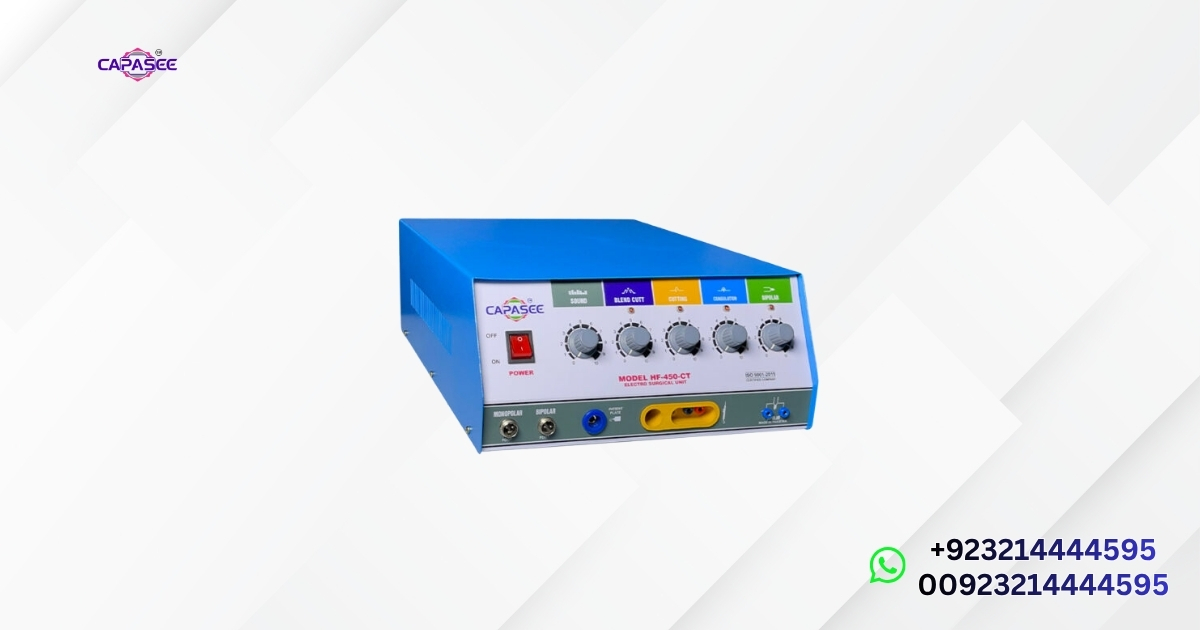
Capasee Electro Medical Engineering designs electro surgical units that are specifically designed to cater to the power fluctuations, high humidity, and heavy usage in the hospitals of Pakistan. Many imported units are not designed to withstand unstable voltage, and this will reduce their life and increase the frequency of breakdown. All of our machines are tested locally before being delivered to a hospital floor, making them suitable for real operating environments.
However, in addition to the hardware, hospitals require a supplier that is knowledgeable about local regulatory requirements and will respond promptly when there is a problem. We have been collaborating with surgical departments all over Punjab and Sindh, and the common issue we see with other suppliers is that in case of failure in equipment, it takes time to get the supply ready. This is the area we designed our service model to fill.
Related product: Model HF-250 CT Electro Surgical Unit
Capasee ESU Machines – Built for Pakistani Surgical Standards
We have electro surgical unit that are efficient and within the budget of private clinics and bigger hospital networks, and they are all compliant with international safety standards. Features like adjustable waveform control, digital display, and dual footswitch operation are standard features and not extras on each unit. This allows a mid sized clinic to have the best of both worlds, safety and budgetary needs.
We have provided units to general surgery wards, ENT departments, and gynecology clinics in all major cities, tailored to the number of patients at each centre. A high volume clinic in Faisalabad required a shorter recovery time between procedures, which meant setting their unit’s power parameters to be more active (short activation times) but at the same time minimizing tissue exposure.
After Sales Support & Maintenance for Electro Surgical Units in Pakistan
While most electro surgical unit failures are not manufacturing problems, they are the result of a failure to maintain the unit promptly, and for this reason Capasee includes support as a feature of every unit purchase. An unmaintained generator may experience calibration drift and deliver inconsistent power to the system, a situation that a surgeon may not realize until after a surgery has begun. These problems can be identified before they turn into operating room crises through quarterly preventive checks.
Staff training is also offered, as even the best constructed unit is hazardous in the wrong hands. Our technicians provide on site or online training to hospital personnel on the correct use and placement of returning pads and minimal troubleshooting.
Capasee Electro Medical Engineering – Service Coverage
| Service Type | Availability | Response Time |
| Installation | Nationwide | 48 Hours |
| Preventive Maintenance | Quarterly/Yearly | Scheduled |
| Emergency Repair | Major Cities | 24 Hours |
| Training for Staff | On site/Online | On Request |
When considering a supplier for the next time you’re looking at buying an electro surgical unit, response time in the event of a breakdown is as important as the cost. A machine that sits idle in a hospital for a week in the heaviest surgical season will cost the hospital much more than a proper maintenance contract will.
Frequently Asked Questions
What is an electrical surgical unit?
In modern surgery, an electrical surgical unit is usually used instead of the traditional scalpel to cut tissue and control bleeding, and it is used during surgery.
What is another name for electrosurgery?
In common parlance, electrosurgery is sometimes referred to as electrocautery, which is different. With electrosurgery, current flows through tissue, and with cautery, there is no current entering the body.
What is ESU used for?
During surgery, tissue can be cut, blood vessels sealed, and abnormal growths removed with an ESU. It is commonly used in most hospital departments in general surgery, gynecology, ENT, and urology.
Is electrosurgery the same as cautery?
No, they aren’t the same. The heat generated by electrosurgery is due to the passage of current through the patient’s tissue, whereas true cautery generates heat directly from a heated instrument tip without the passage of current.
What is an Electrosurgical Unit (ESU)?
An Electrosurgical Unit (ESU) is a surgical machine that cuts and coagulates tissues at the same time and reduces blood loss and operation time during the surgical procedure.
What is an electro surgical unit?
An electro surgical unit is the same as an ESU, which is a machine that is used to do precise cutting and coagulation of tissues without the use of a manual scalpel during a surgical procedure.
How to use electrocautery?
Correct use requires correct placement of return pads, correct power settings for the type of tissue, and careful handling of the active electrode. To minimize handling error, Capasee Electro Medical Engineering provides hands on training to employees.
What are the risks of electrosurgery?
Possible hazards are accidental burning, inadequate electrode contact, and fire from flammable prep solutions. These risks are greatly reduced during actual procedures through routine maintenance, trained personnel, and calibrated equipment.
Conclusion
There are a number of factors to consider when selecting the proper electro surgical unit, and these include an understanding of its operation, the choice of either monopolar or bipolar, and the ability to work closely with the supplier who is there when the equipment breaks down. Do these three things right, and your surgical department will run smoother, with fewer delays and safer results for each patient at the table. That’s the true reason for making informed decisions rather than just settling for the cheapest or most readily available.
When upgrading your operating theatre, or replacing an old unit, contact Capasee Electro Medical Engineering for a consultation specific to the actual operating theatre workload. Pakistani hospitals need upgrades and assistance that are tailored to their environment, rather than empty promises.