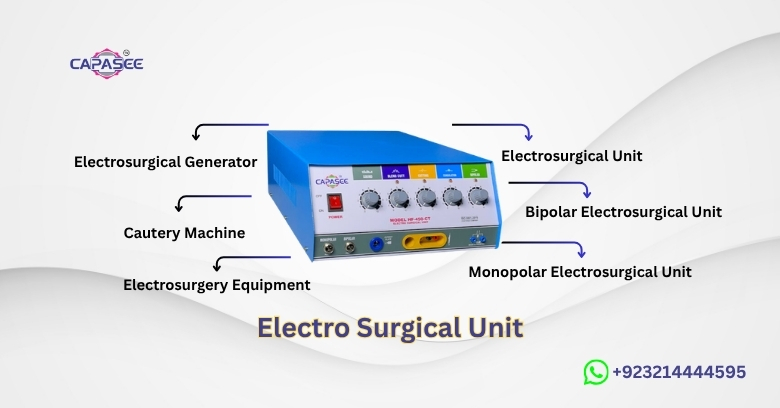
Surgical Cautery Machine: Types, Uses and Buying Guide

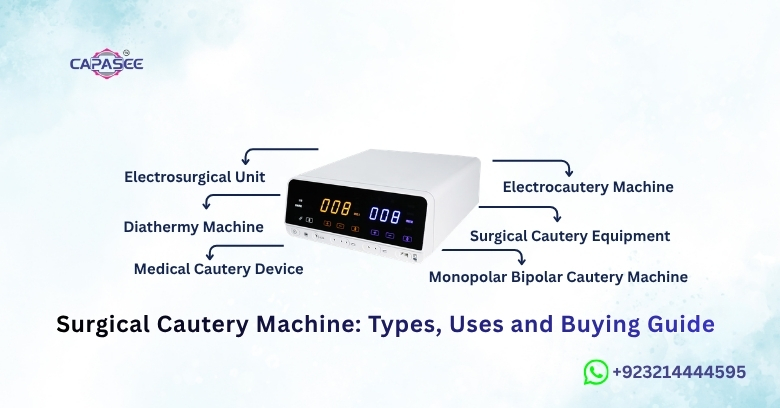
One of the most common pieces of equipment in the operating room is the surgical cautery machine, but it’s not always easy to select the right one. Hospitals, clinics, and surgeons in Pakistan are not just looking at the price. These things should be taken into account when looking at the type of procedures you are running, the degree of control you need, patient safety features, and the reliability of the supplier’s after sales support.
An improper unit may result in irregular cutting and coagulation, unnecessary tissue damage, or equipment breakdown and loss of schedule. This is why it is important to know how they work and how they differ before you place your order.
Here, you will find an overview of the major categories of surgical cautery machines, their typical applications, and the important criteria to consider when purchasing a machine for your clinic.
What Is a Surgical Cautery Machine and How Does It Work?
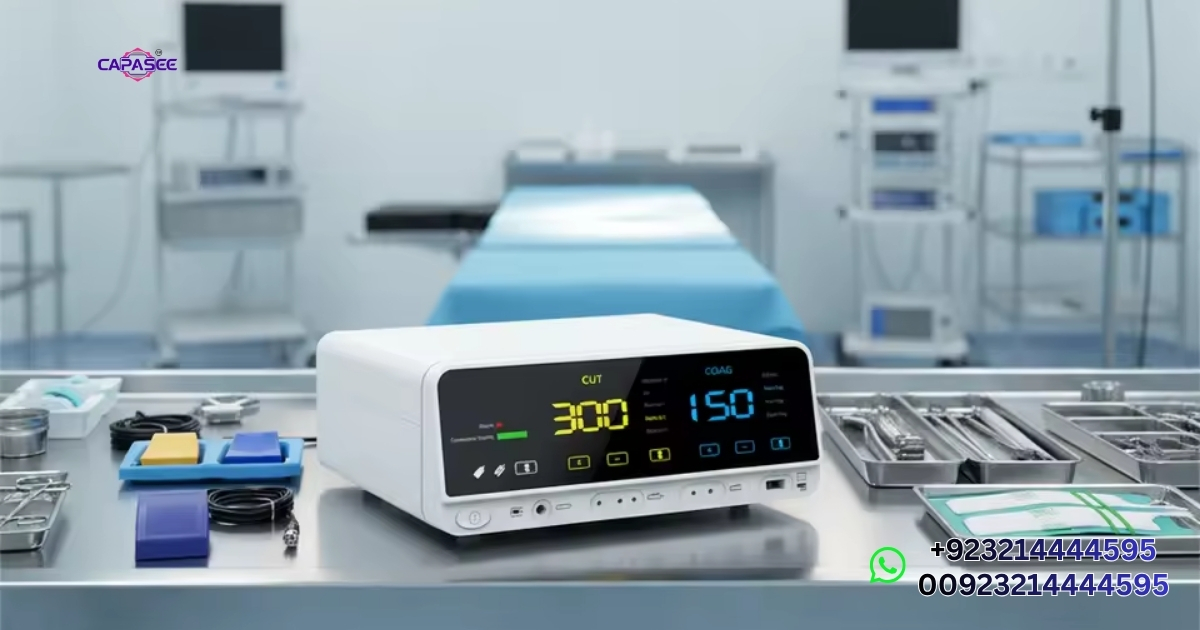
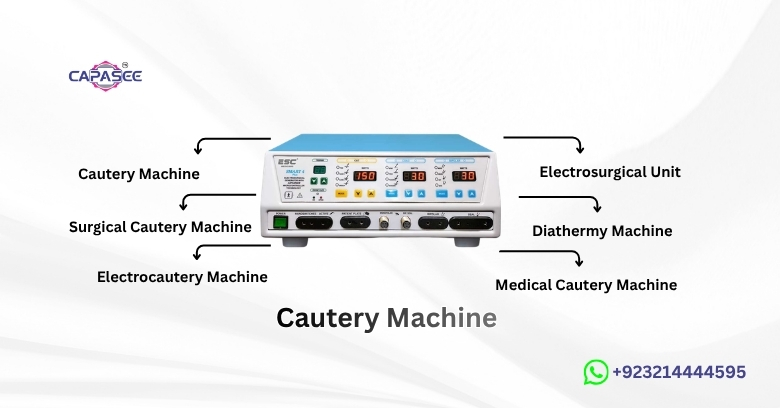
A surgical cautery machine is a medical device that uses heat or high frequency electrical energy to cut tissue, seal small blood vessels, and control bleeding in surgical operations. These machines are used in hospitals, surgical centres, and clinics to enhance the precision of surgery and keep the field clear.
Modern electrosurgical devices enable surgeons to choose among various energy modes based on the particular procedure being performed. Depending on its design, a surgical cauterizing device can perform cutting, coagulation, or both. Certain models are additionally capable of particular applications like dermatological treatments and light tissue elimination.
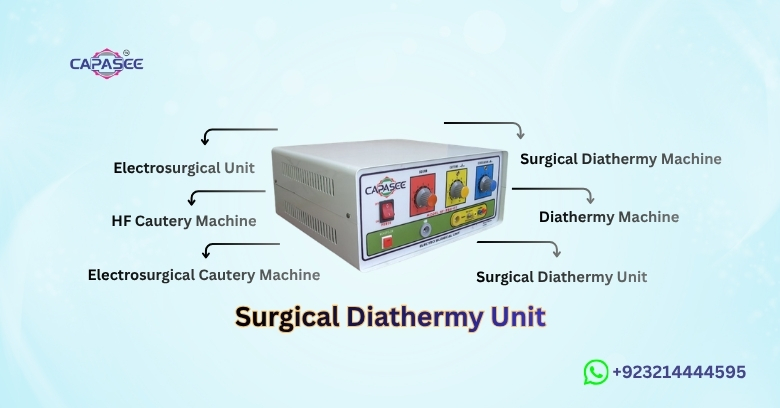
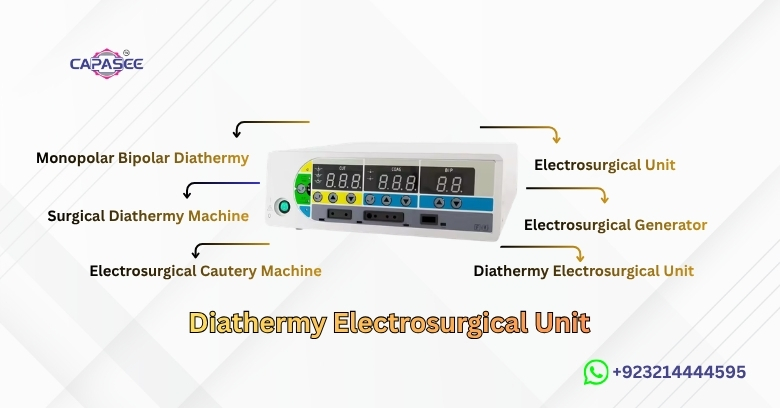
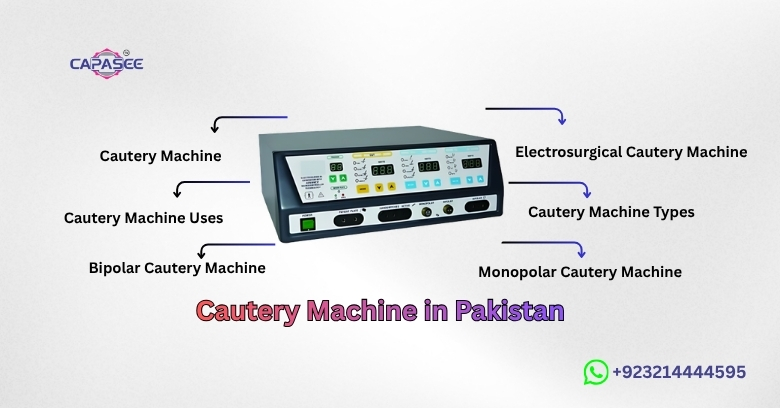
These machines are offered in various forms in Pakistan, ranging from a small cautery box for outpatient surgery to a sophisticated electrosurgical generator for an operating room in a hospital.
Surgical Cautery Machine vs Electrosurgical Unit: Key Differences
People often confuse and use the words ‘thermal cautery device’ and ‘electrosurgical unit’ (ESU) interchangeably, but they actually mean something different. Traditional electrocautery uses a metal tip that is heated before being used to cauterize the tissue. Electrosurgery (also known as surgical diathermy) is a technique that employs high frequency electrical currents to heat the tissue.
Thermal cautery can be used for certain superficial procedures, such as minor skin treatments. An electrosurgical cautery machine provides greater control in cutting and coagulation, which can be used for operating theatre procedures, including general surgery, gynaecology, ENT, etc.
| Feature | Electrocautery/Thermal Cautery | Electrosurgical Unit (Diathermy) |
| Working principle | Heated metal tip transfers heat to tissue | High frequency current cuts or coagulates tissue |
| Best use | Minor skin lesions, warts and skin tags | General surgery, gynaecology, ENT and bleeding control |
| Tissue depth | Usually superficial | Suitable for superficial and deeper surgical work |
| Common setup | Cautery pen or handheld device | Generator, handpiece, cables and return pad |
| Best for | Small clinics and dermatology procedures | Hospitals, surgical centres and multi speciality OTs |
A thermal device might be adequate for small dermatology offices. But hospitals that conduct various types of surgeries are better suited for an electrosurgical unit that has a variety of operating modes.
Check out this blog too: 54 Basic Surgical Instruments Used in Hospitals in Pakistan
How a Surgical Cautery Machine Controls Bleeding During Surgery
In a surgical cautery machine, bleeding is controlled by the moderate thermal effect that it exerts on the tissue. This procedure will aid in closing small blood vessels and minimize blood loss during surgery. The surgeon chooses the right mode based on tissue type and surgical need.
Today’s electrosurgical generators are typically supplied with four useful features:
- Cutting: Applies high frequency energy to achieve division with controlled thermal effects.
- Coagulation: Caused by the production of heat, which denatures tissue proteins and seals small blood vessels.
- Fulguration: Uses electrical sparks to produce superficial tissue coagulation.
- Hemostasis: Control or stop bleeding, for example by using coagulation or vessel sealing.
Applying the correct amount of power, type of electrode, and energy is vital to achieving safe results. Too much energy can result in unwanted thermal damage; too little energy can result in an inadequate tissue effect.
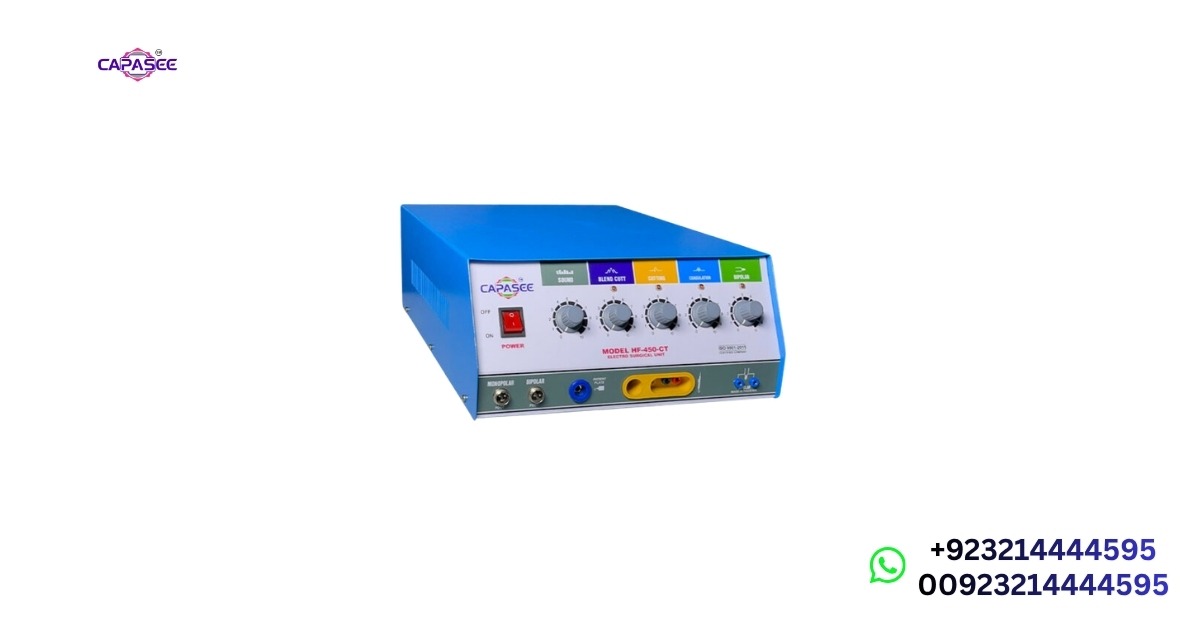
Capasee Electro Medical Engineering provides electrosurgical apparatus for cutting and coagulation for clinical use. When purchasing a model for use in their operating theatre, buyers need to consider the different modes, output controls, and safety features available.
Types of Surgical Cautery Machines in Pakistan
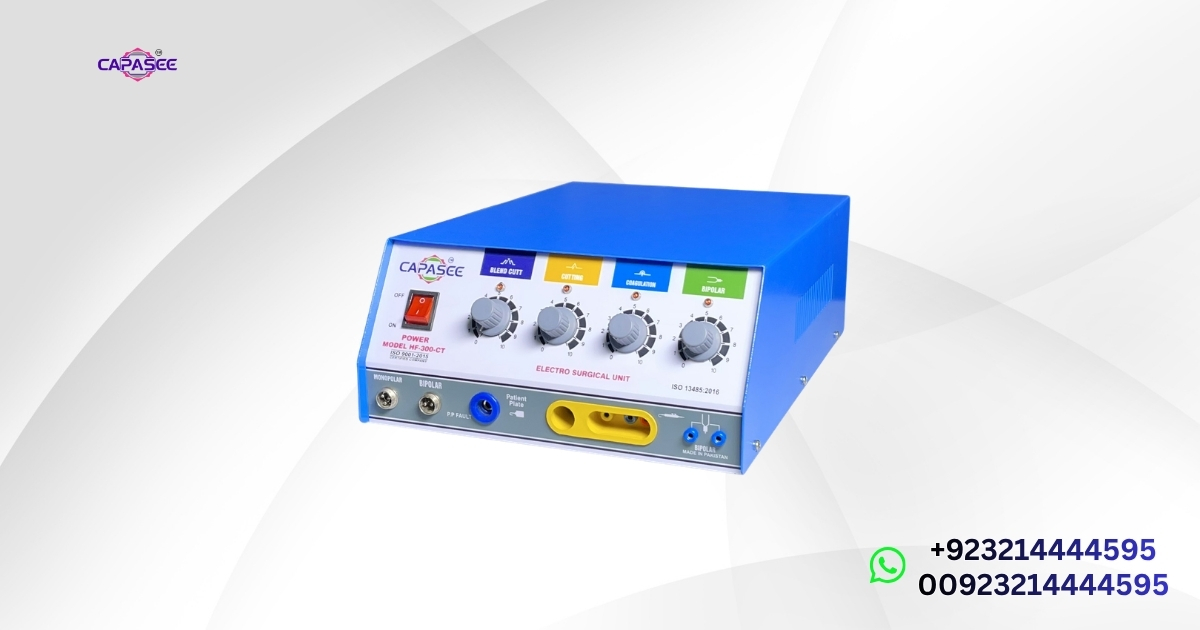
The Pakistani medical equipment market has a number of surgical cautery machines available. Their differences are primarily in their energy delivery, modes of operation, power output, and indications for use.
A small doctor’s office that does occasional skin surgeries can require a small RF cautery device. A higher capacity surgical electrosurgical unit (SESU) with monopolar and bipolar features, however, might be necessary for a hospital that conducts general surgery, gynaecological surgery, and ENT surgery.
Monopolar, Bipolar and RF Cautery Machines: Which Type Do You Need?
Different surgical needs are met by monopolar, bipolar, and radiofrequency (RF) cautery machines. Knowing how they work will assist medical personnel in selecting the right apparatus for their procedures.
Monopolar cautery machine: One active electrode is placed in the patient’s tissue, and a separate electrode called a patient return pad is inserted into the return path. This completes the electrical circuit for the generator.
Monopolar cautery is used by surgeons for cutting tissue, dissection, and coagulation. It’s often used in general surgery and where flexible electrode applications are needed.
Bipolar cautery machine: A bipolar system provides electrical energy between two tips of a special instrument, e.g., bipolar forceps. Current flows through tissue between the tips, not from the patient’s body to another return pad.
This setup facilitates bipolar cautery for precision coagulation, especially in delicate surgical zones. A bipolar instrument is often used in common settings such as ENT, plastic surgery, and specialised operating theatres.
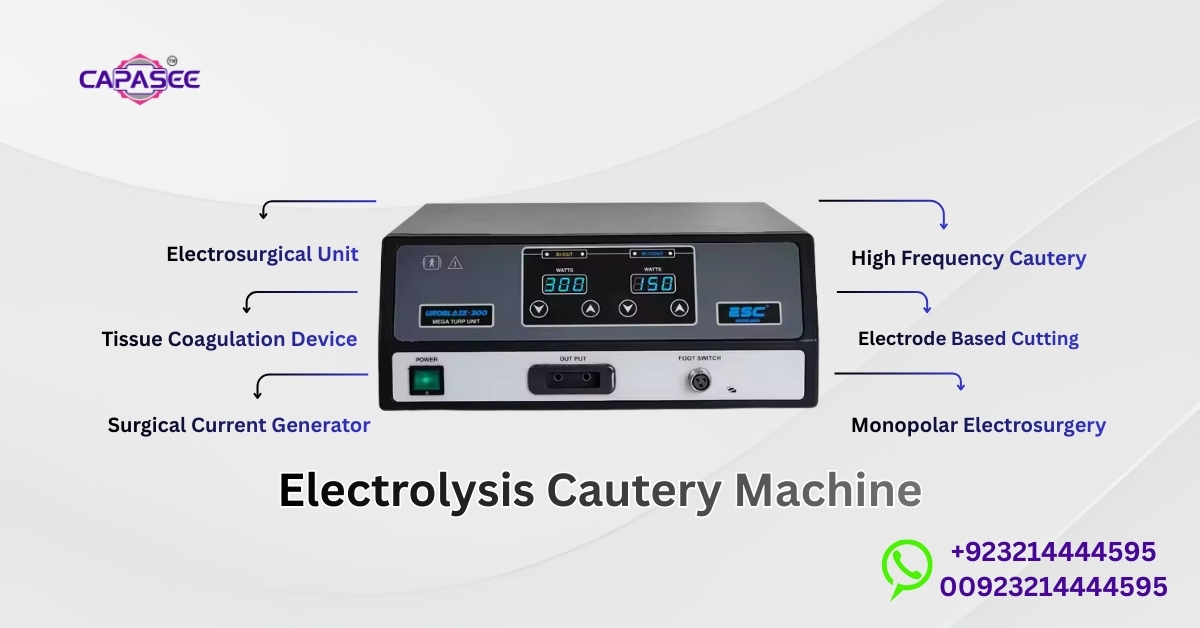
RF/high frequency cautery machine: RF cautery is a high frequency, energy generating device used for certain dermatological and minor surgical procedures. Depending on the configuration, it can be used for cutting and coagulation of tissues. Compact models can be used for removing selected benign skin lesions, warts, and skin tags, if clinically appropriate, in clinics.
The ideal choice is determined by the type of procedure, the amount of tissue needed, and surgeon preference and equipment compatibility. In facilities that conduct precision and general procedures, a dual mode machine might be a worthwhile purchase.
Surgical Cautery Machine Price in Pakistan: What Affects the Cost?
The surgical cautery machine price in Pakistan is influenced by numerous factors, including its technology, output capacity, the number of modes it offers, any additional components or accessories, and after sales support. The simple unit for minor procedures is usually less expensive than an advanced hospital grade diathermy machine.
The following table offers a good indication of the market price range of various equipment types.
| Machine type | Typical clinical use | Approximate price range in Pakistan |
| Basic thermal or skin cautery pen | Minor dermatology and outpatient procedures | PKR 45,000–80,000 |
| Basic monopolar ESU | Small clinics and minor OT procedures | PKR 120,000–250,000 |
| Monopolar + bipolar ESU | General surgery, gynaecology and ENT | PKR 96,000–195,000+ |
| Advanced hospital grade diathermy unit | High volume OTs and specialised surgery | PKR 350,000–800,000+ |
| Refurbished imported ESU | Budget conscious facilities | PKR 100,000–250,000 |
These are indicative buying ranges only and not verified live quotations. The prices are subject to confirmation by the supplier.
The final price of diathermy machines depends on several factors:
- Power output: More powerful generators typically have a higher price tag and can be used for a greater number of surgical procedures.
- Operating modes: Machines that have cutting, coagulation, blend, and bipolar functions are more versatile.
- Digital controls: Digital displays and variable controls enhance operating ease.
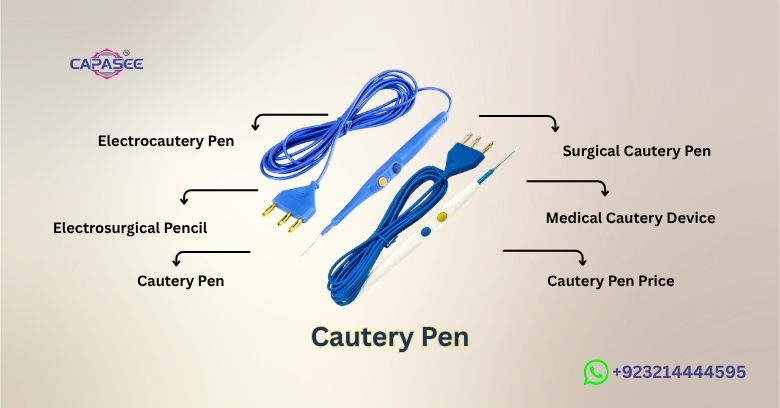
- Accessories: Handpieces, reusable or disposable electrodes, foot switches, return pads, and connecting cables are accessories and impact the package price.
- Warranty and support: Additional value is added to the purchase through local technical assistance, spare parts, and maintenance.
Capasee Electro Medical Engineering provides options as per clinic or hospital needs. The buyer should ask for a written quote, which should include the machine model, accessories included, warranty, and technical support available.
Common Uses of a Surgical Cautery Machine in Pakistani Hospitals and Clinics
A medical surgical cautery machine aids several surgical processes by cutting tissue and cauterizing it under controlled conditions. Electrosurgical equipment in hospitals is utilized to minimize bleeding, enhance visibility, and assist surgeons to work effectively.
The uses depend on the output of the generator, the electrodes used, the type of modes available, and the surgeon’s needs. A device used for minor dermatological procedures might not have the features necessary for major operating theatre procedures.
Surgical Cautery Machine Uses in General Surgery, Gynaecology and ENT
A surgical cautery machine is a significant instrument in different surgical departments. It is useful in procedures where there is controlled dissection and bleeding, due to its ability to cut tissue and coagulate small blood vessels.
Common applications include:
General surgery: In some abdominal operations and soft tissue operations, surgeons use monopolar electrosurgical equipment for tissue dissection, cutting, and coagulation. It may help keep blood vessels from bleeding and keep the area around the surgery visible.
Gynaecology: Electrosurgical devices are used for some gynaecological procedures that include cutting and coagulating tissue. The surgeon determines which electrode and energy mode is used based on the procedure and tissue needs.
ENT: ENT specialists apply electrosurgical instruments to a variety of procedures that involve soft tissue and bleeding control. Bipolar forceps can provide more localised coagulation when working near delicate structures.
Dermatology: Selected minor procedures, such as removing some superficial skin lesions, are supported by the RF and thermal cautery devices.
Minor procedure rooms: Clinics may use a compact electrocautery machine for surgery if they need to cut and coagulate but do not have a strong need for surgical capabilities.
Selected animal surgical procedures may also be used with a veterinary cautery machine using similar electrosurgical technology. But veterinary facilities need to select equipment and accessories that are suitable for the animals they treat and the treatments they use.
Is a Cautery Machine Suitable for Skin Tags, Warts and Minor Procedures?
Yes. This can be assisted with the use of a suitable cautery machine to remove or treat selected skin tags, warts, and other superficial lesions. Thermal or RF equipment is selected by dermatologists and trained medical professionals depending on the lesion, treatment method, and clinical evaluation.
In a small outpatient dermatology office, a compact RF cautery or thermal cautery unit could be appropriate, since it offers fewer functions and thus requires less space for operation.
But not all skin growths can be cauterised. Suspicious or changing lesions should be checked by a clinician prior to treatment, as some may need to be biopsied or tested in other ways.
Wanted and available equipment are correlated to common clinical needs in the following table.
| Clinical requirement | Suitable machine type | Recommended setting |
| Skin tags, warts and minor lesions | Thermal cautery pen or RF cautery | Dermatology clinic |
| Routine cutting and coagulation | Monopolar ESU | General surgery/minor OT |
| Precision coagulation | Bipolar cautery unit | ENT, plastic surgery and specialised OT |
| Mixed surgical workload | Monopolar + bipolar ESU | Hospital or surgical centre |
When space is limited, or clinicians require a compact setup for appropriate outpatient procedures, a portable cautery machine can also be of benefit. Before purchasing, check its power controls, electrode compatibility, operating instructions, and safety provisions.
Check & Buy: Our Products
How to Choose the Right Surgical Cautery Machine for Your Clinic or Hospital
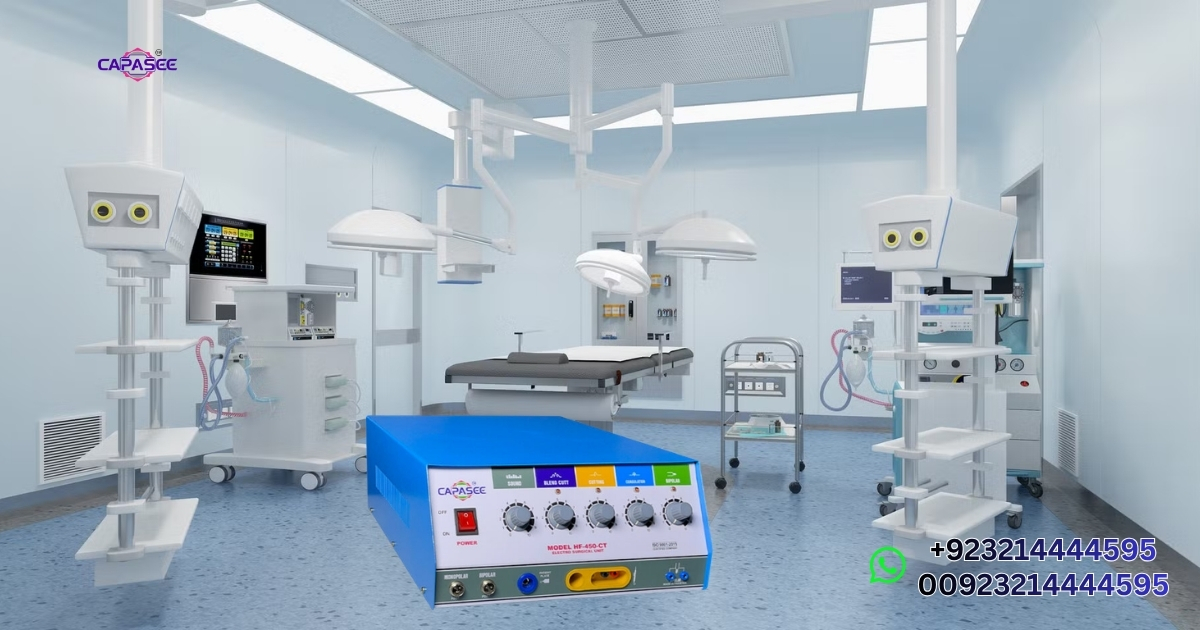
Choosing a surgical cautery machine goes beyond just price comparisons. When purchasing medical equipment, buyers need to consider their clinical workload, needed modes of operation, safety, and long term maintenance requirements.
A machine should be appropriate to the facility’s current needs as well as offer flexibility for the anticipated surgical volume.
Buying Checklist: Power, Safety Features, Accessories and After Sales Support
When buying an electrosurgical generator, make sure to consider some of the following to prevent compatibility issues and unnecessary expenses.
1. Identify your clinical requirements
List the procedures or specialities that will be using the equipment. The dermatology clinic might want an RF cautery unit, and a general hospital might want a dual mode electrosurgical generator.
2. Select the correct operating modes
Choose monopolar, bipolar, or both functions. A dual mode machine provides more flexibility for facilities that are capable of conducting multiple surgical procedures.
3. Check power output and adjustment
Check the maximum output and available power levels of the generator. There are various procedures that demand various levels of energy, so it’s essential to have energy output that can be adjusted. Do not choose a machine solely for its wattage but for its performance in each mode.
4. Examine patient safety features
Patient return pad monitoring is a critical safety feature with monopolar electro surgery. It can help identify some issues in the connection of the return electrode and warn the operator of conditions that could lead to burns.
Also check for:
- Electrode fault alarms.
- Return electrode contact monitoring.
- Appropriate electrical protection.
- Clean up operation controls and indicators.
- Manufacturer recommended safety instructions.
5. Confirm accessory compatibility
Accessories and components should be included with a cautery machine for its intended use. Test for compatibility of:
- Monopolar pencils and electrodes.
- Bipolar forceps.
- Return plates for patients and connecting cables.
- Foot switches.
- Handpieces and electrode holders.
Performance may be decreased, and safety risks exist when incompatible accessories are used. Check the type of connector and accessory details before ordering.
6. Evaluate warranty and technical support
Inquire about the warranty period, spare parts availability, calibration, installation, and maintenance services. Having local technical support available can minimize downtime if equipment needs inspection or repair.
Ask the supplier about technical assistance to be available at the hospital for hospitals in remote areas like Multan, Peshawar, and Quetta.
Capasee Electro Medical Engineering: Choosing a Reliable Surgical Cautery Machine in Pakistan
Capasee Electro Medical Engineering provides electro surgical equipment to hospitals, clinics, and surgical centres in Pakistan. It offers a wide range of equipment options to meet various clinical needs, including simple cutting and coagulation instruments, as well as more versatile operating theatre solutions.
Purchasers have the option to choose analog and electronic settings and can enjoy a variety of features, including:
- Controlled tissue division, pure cut.
- Blood clotting to stop bleeding.
- Fusion, cutting, and coagulation modes.
- Multiple outputs for localized coagulation.
When choosing a model, be mindful of the number of procedures undertaken weekly, specialities applying the equipment, and the output capacity needed. The size of the generator may vary depending on the size of the medical clinic and the surgical cautery machine selected.
Capasee’s technical team will be able to recommend the surgical cautery machine to the buyer, as well as provide information on equipment compatibility and installation requirements for accessories. Prior to confirming an order, ask for the model specifications, any accessories included, a warranty, and a quotation for the applications you intend.
When selecting equipment, whether it is for a portable cautery machine for minor procedures or a high frequency surgical cautery unit for an operating theatre, the important factors of clinical need, safety, and reliable after sales service should not be overlooked.
Frequently Asked Questions (FAQ’s)
What are the two types of cautery?
The two main types are electrocautery, using a heated tip, and electrosurgery (diathermy), which involves passing high frequency current through tissue.
Which cautery machine is best?
The most appropriate machine for you should be one that is compatible with your procedures, the amount of production, and budget. Hospitals typically require a digital electrosurgical unit with both monopolar and bipolar options, whereas small clinics might only require a smaller unit.
What is the price of a surgical cautery machine?
The price is dependent on the power output, modes, accessories, warranty, and local support. For a quotation on your configuration, call Capasee Electro Medical Engineering.
What is a surgical cautery?
Surgical cautery converts heat or high frequency electrical energy to cut tissue, close small blood vessels, and prevent bleeding during surgery.
What is the difference between electrocautery and electrosurgery?
Electrocautery uses a tip that burns tissue when it comes into contact with it. Electrosurgery is a technique that uses high frequency current to pass through tissue for finer control of cutting and coagulation.
What are monopolar and bipolar modes?
In monopolar, the current is directed through the patient to a ‘return pad’. Bipolar provides precision in the vicinity of sensitive structures and in an aqueous environment by confining current between the forceps tips.
What are the main operating modes of an ESU?
The majority of electrosurgical units will have cut, coagulation, blend, and bipolar modes (depending on the model). Ensure that the exact mode is confirmed before purchase.
What safety precautions are required?
Proper return pad positioning and monitoring for monopolar, proper mode or settings or power, and accessories remain intact. Staff need to be trained also.
Final Thoughts
A surgical cautery machine is only as good as it fits your cases, not as long as its specification list. Monopolar is for general cutting and wide haemostasis, bipolar for precision in a delicate or wet field, and compact RF or thermal units for low volume dermatology and minor procedure clinics. Regardless of your selection, check return pad monitoring, accessories included, warranty, and technical support abroad, as they all make a difference in terms of value for your long term use.
Capasee Electro Medical Engineering can assist you in matching a unit with your speciality, volume, and budget if you are comparing options for a hospital, surgical centre, or clinic. Call us to get a quote or chat with us about your needs.