UPS for Diagnostic Equipment in Pakistan


If the wrong power protection is in place, a single power fluctuation can corrupt a CT scan mid procedure, damage an ultrasound transducer costing hundreds of thousands of rupees, or cause the complete system to be recalibrated, all because of a single power fluctuation.
As an imaging centre, hospital, or diagnostic lab owner in Pakistan, you know how tough the country’s electric grid is. These surges and dips in voltage, sudden cuts in power, and shifting frequencies can wreak havoc on sensitive medical equipment that was not designed with these events in mind.
Hence, the selection of the right UPS for diagnostic equipment in Pakistan is not just a buying decision but a patient safety decision.
Capasee Electro Medical Engineering explains all the facts; what really matters, what UPS technologies are best suited to safeguarding medical grade equipment, and how to invest wisely for your facility.
Why Hospitals and Labs Need a Specialized UPS for Diagnostic Equipment in Pakistan
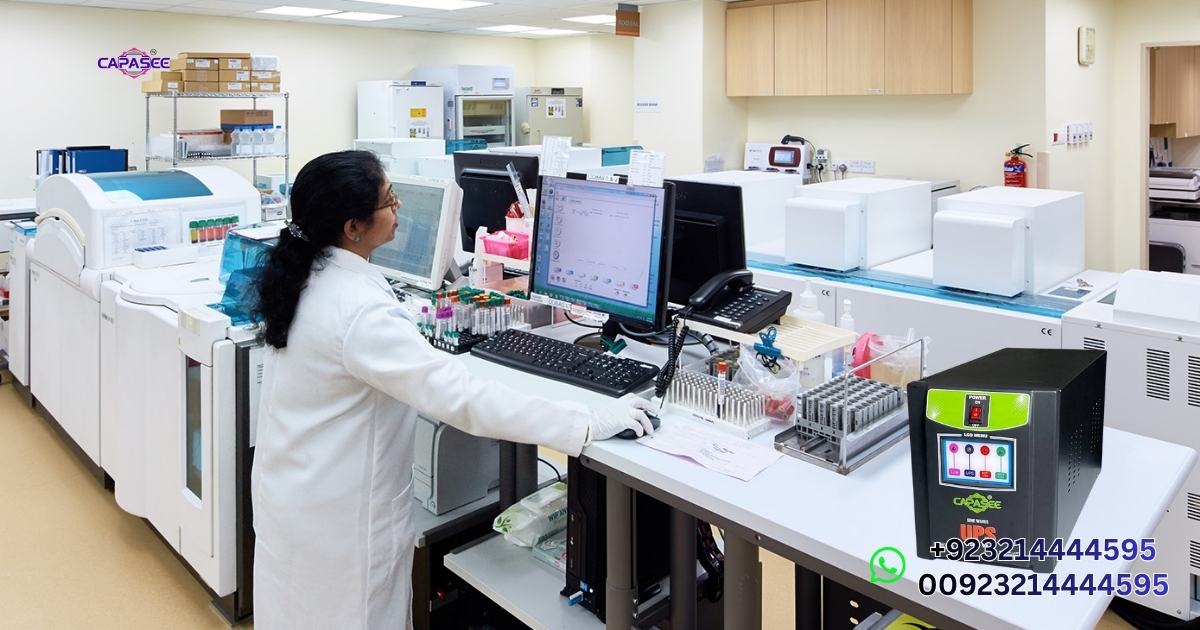
Medical facilities are always under stress in Pakistan due to its power infrastructure. Voltage fluctuations, frequency instability, and unannounced load shedding are not an inconvenient occurrence; they are a way of life and can pose a threat to equipment and patient outcomes. This is why choosing the right UPS for diagnostic equipment in Pakistan is essential for healthcare facilities.
A normal commercial UPS just will not work in a diagnostic environment. Medical equipment such as ultrasound equipment, digital X-ray machines, and hematology analyzers demand clean, stable power and no power transfer time. Placing the wrong technology or an undersized UPS on these machines can lead to permanent damage, lost warranties, and diagnostic inaccuracies, which can impact patient care. A reliable UPS for diagnostic equipment in Pakistan helps ensure stable performance and equipment protection.
How Power Outages Damage X-ray, Ultrasound and CT Scanners in Pakistan
One of the worst events that a diagnostic machine could go through is a sudden loss of power during a scan cycle. These all require precise and regulated current, such as a CT scanner mid rotation or an ultrasound probe that creates live images, or an X-ray generator that charges its capacitors. This current abruptly snaps open or jerks back with a surge, and the internal circuit boards, imaging sensors, and calibration systems suffer damage.
Capasee has worked for many diagnostic centres in Lahore and Karachi, and in all the centres, the imported ultrasound transducers have shorted out before their time because of continuous experience of voltage surges when the grid is restored. Replacing a single high frequency transducer in the range of PKR 800,000 or more. A proper installation of a UPS for diagnostic equipment in Pakistan would have cost a small fraction of that.
You May Also Read This Blog: Where is UPS Used in Hospitals in Pakistan
Pure Sine Wave vs. Simulated Sine Wave: Which UPS Protects Medical Devices Safely?
This is one of the most important purchasing choices that can be made by a hospital purchasing manager or laboratory owner. UPS output waveforms are not all equal, and using the wrong one with sensitive diagnostic equipment can lead to the device becoming overheated, drifting from calibration, and failing in the long term. Choosing the correct UPS for diagnostic equipment in Pakistan is essential for equipment safety.
For the direct answer to which type of UPS waveform is safe for diagnostic equipment in Pakistan, please refer to the table below:
| UPS Type | Output Waveform | Best For Diagnostic Equipment? | Risk to Sensitive Electronics | Typical Runtime (500VA to 1KVA) |
| Pure Sine Wave | Clean sine wave matching grid | Yes: X-ray, Ultrasound, CT, MRI | None | 10 to 30 min |
| Simulated Sine Wave | Stepped/modified wave | No: can damage inverters and sensors | High (overheating, errors) | 8 to 20 min |
| Line Interactive with AVR | Modified sine + voltage regulation | Limited: only for low risk devices | Medium | 10 to 25 min |
When buying a UPS for diagnostic equipment in Pakistan, for any active diagnostic machine, always indicate the pure sine wave output. This is why the Capasee range of medical grade UPS units only uses pure sine wave technology.
How to Choose the Right UPS for Diagnostic Equipment in Pakistan by Size, VA and Runtime
The first step in making a correct selection is to base it on the actual amount of power that your equipment consumes, rather than on the basis of a guess. An undersized UPS will trip when under load; an oversized UPS will cost money. The ‘right sizing’ method considers peak draw, not just idle wattage.
A watt rating is indicated on the nameplate or in the technical manual of every type of diagnostic device. The UPS for diagnostic equipment in Pakistan you choose should have a headroom of at least 25% for that wattage, and then be multiplied by the power factor of the appliance. This is to safeguard the machine and the UPS inverter during the startup inrush current.
Calculating VA and Watt Requirements for Ultrasound, X-ray and Lab Analyzers
The formula is simple; divide the wattage of the device by its power factor, which is usually about 0.6 to 0.8 for medical equipment, to determine the required VA rating. To provide a minimum 10% headroom for a 600 W colour Doppler ultrasound unit operating with a 0.7 power factor, you would need an 857 VA UPS. Selecting a properly sized UPS for diagnostic equipment in Pakistan ensures uninterrupted operation.
Common diagnostic equipment used in hospitals and labs in Pakistan is given here for quick reference:
- Digital X-ray Unit: 800W to 1500W peak; recommend 2KVA pure sine wave UPS
- Color Doppler Ultrasound: 400W to 700W, use 1KVA to 1.5KVA
- Hematology / Biochemistry Analyzer: 200W to 400W recommended, 800VA to 1KVA
- Portable Ultrasound: 150W to 300W, recommended 600VA to 800VA
If a number of devices are connected to the same UPS, sum the individual wattages prior to calculating. The Capasee team provides free load assessment consultation for the building of or upgrading of diagnostic infrastructure at the facilities in Pakistan. Their expertise helps facilities choose the right UPS for diagnostic equipment in Pakistan according to operational requirements.
Best Runtime and Battery Backup for Critical Diagnostic Machines During Load Shedding
The requirements for runtime in Pakistan are very different from commercial UPS use cases. In the summer, load shedding can last for 4 to 8 hours in cities such as Faisalabad, Multan, and Peshawar. A 10 minute diagnostic centre backup is not realistic. UPS for diagnostic equipment in Pakistan is designed to address these extended backup requirements.
A UPS for diagnostic equipment in Pakistan with external battery bank support is recommended to extend runtime to 1 to 4 hours, depending upon load, for facilities that require continuous operation. Capasee Electro Medical Engineering modular battery banks are designed to be connected to their medical UPS units, providing diagnostic centres with the flexibility to add backup time without having to change out the main inverter unit.
Check More & Purchase: Our Products
Top Features to Look for in a Medical Grade UPS for Pakistani Hospitals and Diagnostic Centers
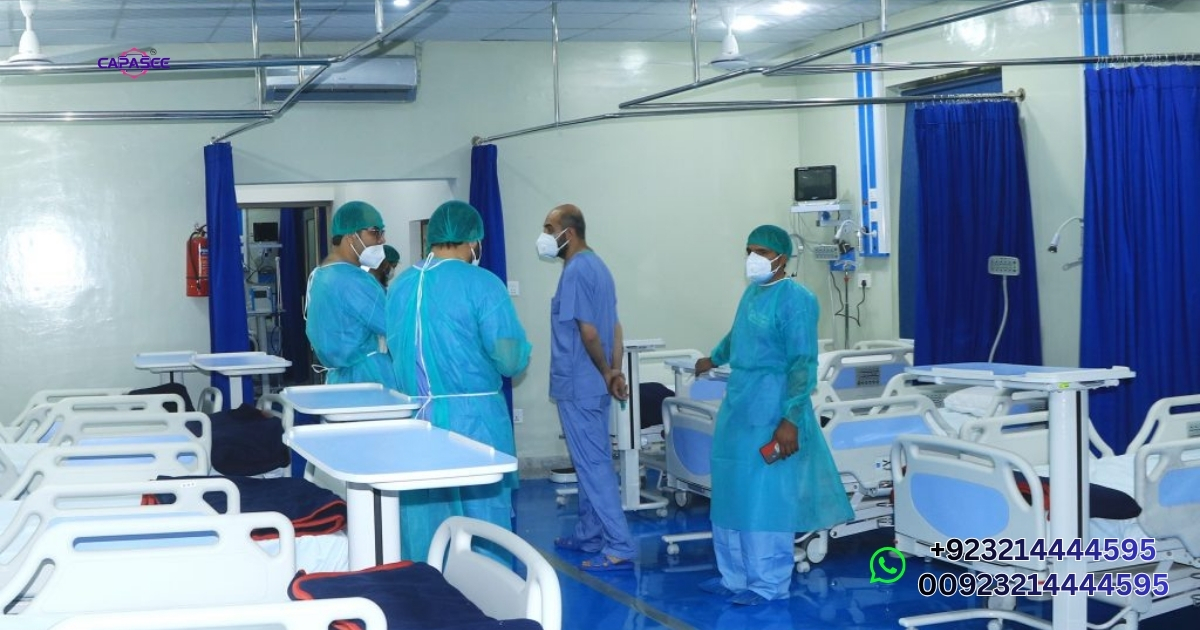
The best UPS for medical use is one with the right combination of features. In the diagnostic environment in Pakistan, three non negotiable attributes for reliable performance are automatic voltage regulation, overload protection, and cold start capability. These are essential characteristics of a UPS for diagnostic equipment in Pakistan.
In addition to the three aforementioned, a few other features add value in a healthcare environment, such as isolation transformers, zero transfer time switching, generator compatibility, and remote monitoring panels. Failing to follow them properly will certainly lead to equipment damage and diagnostic downtime. A high quality UPS for diagnostic equipment in Pakistan helps minimize these risks.
AVR, Overload Protection and Cold Start: Must Have Features for Uninterrupted Diagnostics
Automatic Voltage Regulation (AVR) will regulate voltage without switching to the battery, thus prolonging battery life and safeguarding equipment against the constant voltage fluctuations that occur on the distribution grid in Pakistan. If the machine has a UPS without AVR, it will consume the battery when it experiences a minor voltage drop, and it will have no protection when the actual outage occurs. This makes AVR a critical component of any UPS for diagnostic equipment in Pakistan.
When a connected device draws more current than the UPS can safely deliver, overload protection protects the UPS from harm, e.g., when an X-ray generator capacitor charge cycle draws excessive current. Cold start is a feature that enables the UPS to start up and self activate its output when the power grid is completely down, which is vital in the remote or semi urban diagnostic centres in Pakistan where power is lost completely. These functions are indispensable in a UPS for diagnostic equipment in Pakistan.
Why Capasee Electro Medical Engineering’s UPS Is Trusted Across Pakistan’s Healthcare Sector
Capasee Electro Medical Engineering has been dealing with medical equipment sales, installation, and technical support in Pakistan for years. The solutions they offer are not simply the commercial UPS variants; instead, they are designed to meet the load, waveform sensitivity, and runtime requirements of diagnostic machines in Pakistan’s power conditions. Their UPS for diagnostic equipment in Pakistan is engineered specifically for these challenges.
Installing Capasee medical grade UPS systems at facilities results in tangible benefits for power outages, equipment life, and avoided service calls due to power related hardware failures. In the cities where Capasee has established its on ground presence and a dedicated after sales engineering team, Capasee is a name that can be trusted to provide power protection that other brands aren’t in a place to provide. Choosing a dependable UPS for diagnostic equipment in Pakistan ensures long term operational reliability for diagnostic centres and hospitals.
FAQ’s
What is the best UPS for ultrasound machine in Pakistan?
The best type of UPS for use in ultrasound machines in Pakistan is a pure sine wave UPS with ratings of 1KVA to 1.5KVA. It produces stable output that matches the power demand of the machine without switching to battery needlessly due to voltage fluctuations that are common in Pakistan’s electrical grid; it protects the sensor and allows for a clean, stable output without risk of damage to the sensor.
How many VA UPS do I need for an X-ray machine?
In Pakistan, most of the digital X-ray machines need a 2KVA to 3KVA pure sine wave UPS. Remember that high peak currents are drawn by X-ray generators during the charging cycles of the capacitors, so be sure to allow 25% headroom or more over the rated wattage of the X-ray machine when choosing the size of the UPS.
Can a normal office UPS be used for medical diagnostic equipment?
No, a normal office UPS does not make a good UPS for diagnostic equipment. Sensitive medical equipment, such as imaging systems, analyzers, and ultrasound systems, which are sensitive to high frequency voltage surges, is susceptible to overheating, calibration errors, and long term degradation of the equipment due to the output of a simulated or modified sine wave by office UPS units.
How long does a medical UPS last during load shedding in Pakistan?
The standard medical UPS has a backup time of 10 to 30 minutes using internal batteries. Capasee Electro Medical Engineering has designed external battery banks that can provide a run time of 1 to 4 hours on Pakistan’s prolonged load shedding cycles based on the load connected to the batteries and the selected battery capacity.
What is the price of UPS for diagnostic equipment in Pakistan?
The price is dependent on the capacity, backup time, and device compatibility. The price for entry level medical grade UPS for smaller diagnostic equipment begins at PKR 35k, and high capacity UPS for X-ray and CT environments can vary widely. Contact Capasee directly for a customized quote based on your facility’s needs.
Does Capasee Electro Medical Engineering provide installation and warranty for medical UPS in Pakistan?
Yes, Capasee offers professional on site installation, on site load assessment, and after sales warranty support throughout Pakistan. Their engineering team sets up the UPS in a way that avoids any possibility of connection errors and ensures that the UPS is properly configured for your particular diagnostic equipment to avoid voiding your warranty coverage on medical equipment.
Conclusion
It is not just a matter of choice; it is essential to make sure that you safeguard your diagnostic equipment from Pakistan’s erratic power supply if you have a healthcare facility that you run responsibly and professionally. Ultimately, the right UPS technology, the correct size for your equipment, and features such as pure sine wave output and AVR have a direct impact on the life of the machine and patient safety.
By following the advice in this article, you will save on costly repairs and downtime and provide your team with the peace of mind that they can work without interruption of power.
Contact Capasee Electro Medical Engineering today if you are at the point of selecting the most appropriate UPS for diagnostic equipment in Pakistan. They will visit your facility to provide you with an analysis of the most appropriate solution and arrange it from beginning to end.
Your equipment is an investment. Ensure that the power protection is also treated the same.