
Surgical Diathermy Unit

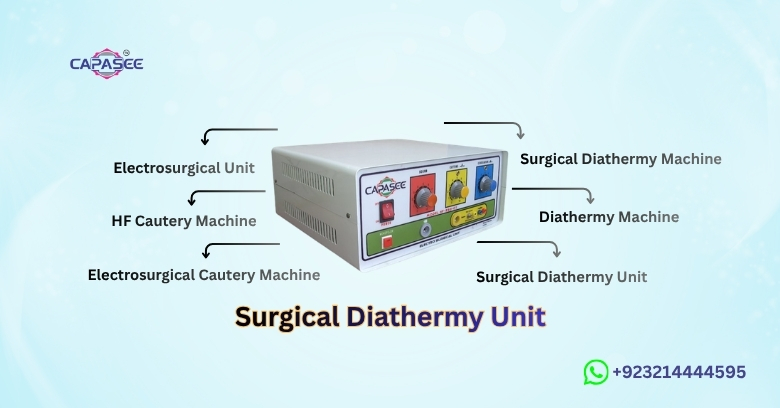
A single incorrect setting of the electrosurgical energy can cause a clean cut to effectively become a patient burn, and there are many hospitals in Pakistan that simply choose the lowest cost available. Buyers are frequently unable to distinguish between monopolar and bipolar power or determine how much they need when selecting a surgical diathermy unit, or know how much protection their theatre will need, or the support that the unit will require.
The question has become even more significant now, as in what used to be a relaxed era of growth and expansion for private hospitals, the day care surgical centres and speciality clinics in the country are increasingly under the spotlight regarding patients’ safety. This guide explains how the surgical diathermy unit operates, what type is appropriate for various procedures, what to look for before you purchase a unit, and what questions to ask any supplier in regard to warranty and servicing. Capasee Electro Medical Engineering did it for your choice.
What Is a Surgical Diathermy Unit and How Does It Work?
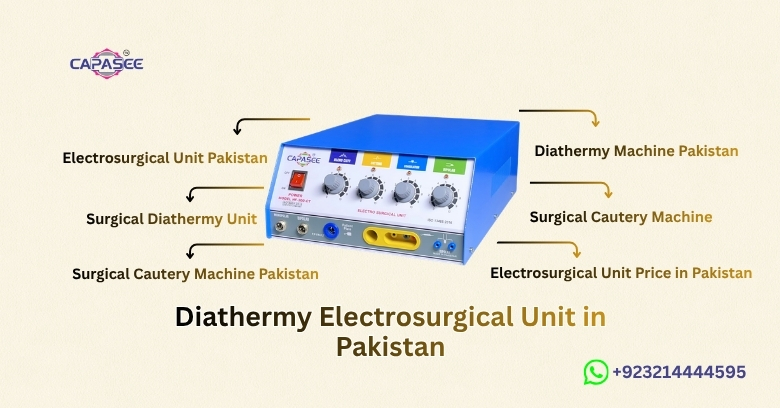
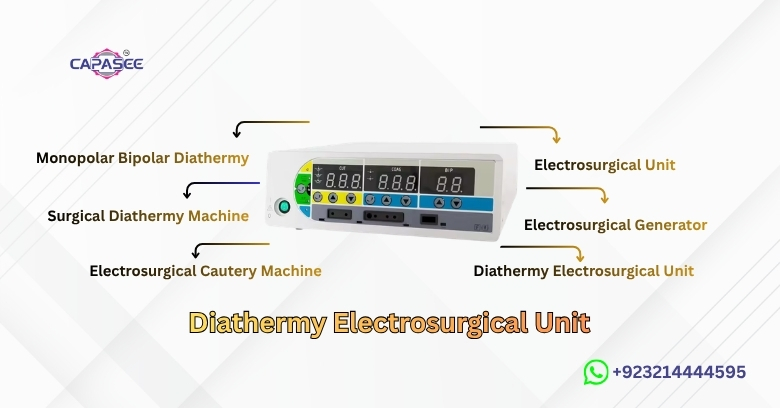
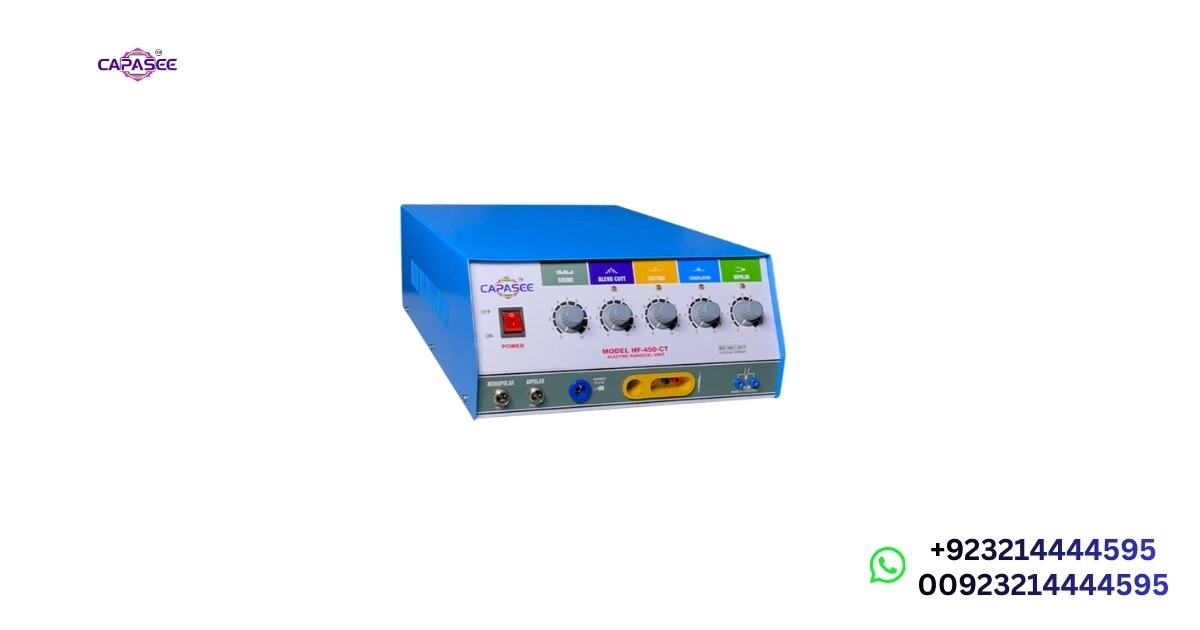
A surgical diathermy unit is an electrosurgical generator that delivers high frequency current to cause cutting or sealing of bleeding vessels or both in tissue. The current heats the tissue at the tip of the electrode, which makes the surgeon’s job easier and means less blood loss and less need for sutures.
Imagine a general surgeon’s theatre in the district hospital where he is working and removing a lipoma from the lip. If diathermy is not being used, all small vessels require a clamp and a tie. Using it, she is able to seal each one in a second and to keep the field dry.
How Does a Surgical Diathermy Unit Cut Tissue and Control Bleeding?
The unit generates a high frequency current in the range of 300 kHz to 5 MHz that is too high to stimulate nerves or muscles. If this current encounters resistance in tissue, it produces heat. A fine electrode tip is heated and vaporises cells, thus providing a clean cut.
Lower voltages and wider contact areas are used to control bleeding in the unit. Due to the slow drying rate of the tissue, the proteins in the vessel wall will collapse and close the vessel. That is what makes it possible to switch from cutting to coagulation with a single press of a button.
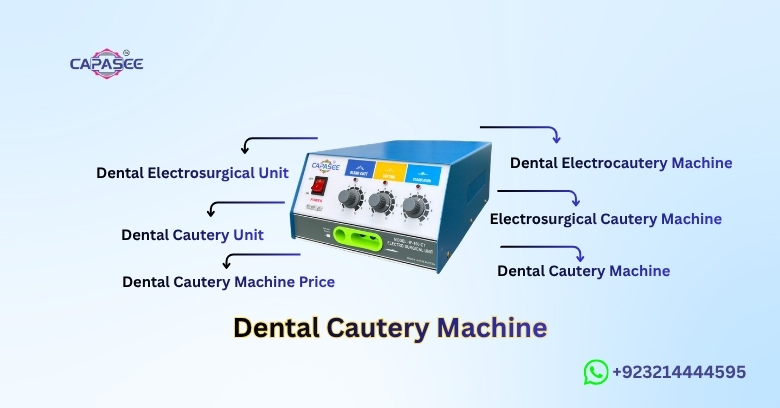
Here’s another blog you can read: Dental Cautery Machine
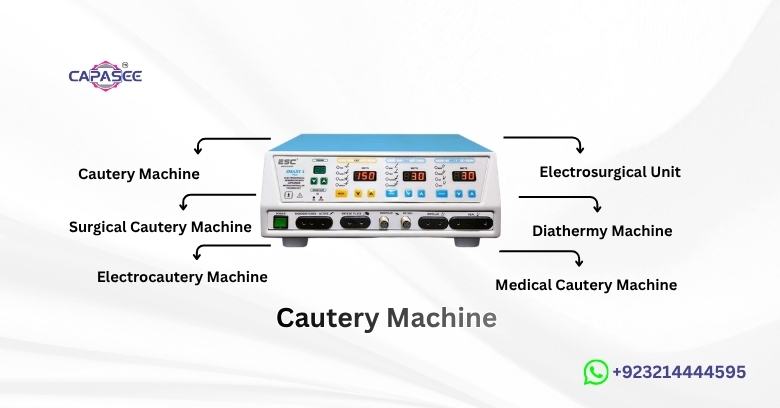
Surgical Diathermy Unit vs Electrosurgical Unit vs Cautery Machine
There is a degree of overlap with these terms, and suppliers in Pakistan often use them interchangeably. In most theatres, the surgical diathermy unit is the same as the electrosurgical unit. This is a true cautery machine, which heats a wire or tip and presses it on tissue, as opposed to diathermy, which passes current through the patient.
| Term | How it works | Typical use |
| Surgical diathermy unit | High frequency current passes through tissue | General surgery, gynaecology, ENT |
| Electrosurgical unit | Same technology, often the international name | Hospitals and day care surgery centres |
| Cautery machine | Heated tip touches tissue, no current enters the patient | Minor bleeding control, small clinics |
For an operation theatre, request a diathermy or electrosurgical unit, and ensure that the supplier is not referring to a heated tip cautery. To avoid the buyer being given the wrong class of equipment, Capasee Electro Medical Engineering explains this at the point of quotation.
Cut, Coagulation and Blend Modes Explained
In cut mode, the current is supplied continuously to obtain smooth cuts with minimum heat spread. The coagulation mode gives short bursts of higher voltage to seal vessels, but without cutting. The blend mode combines the two, providing an incision that has its own haemostasis.
When performing a mastectomy, the surgeon will usually begin in blend mode and move into coagulation mode as necessary for difficult bleeders. Fine mode control can save time and minimize tissue damage in a unit.
Types of Surgical Diathermy Units for Hospitals and Operation Theatres
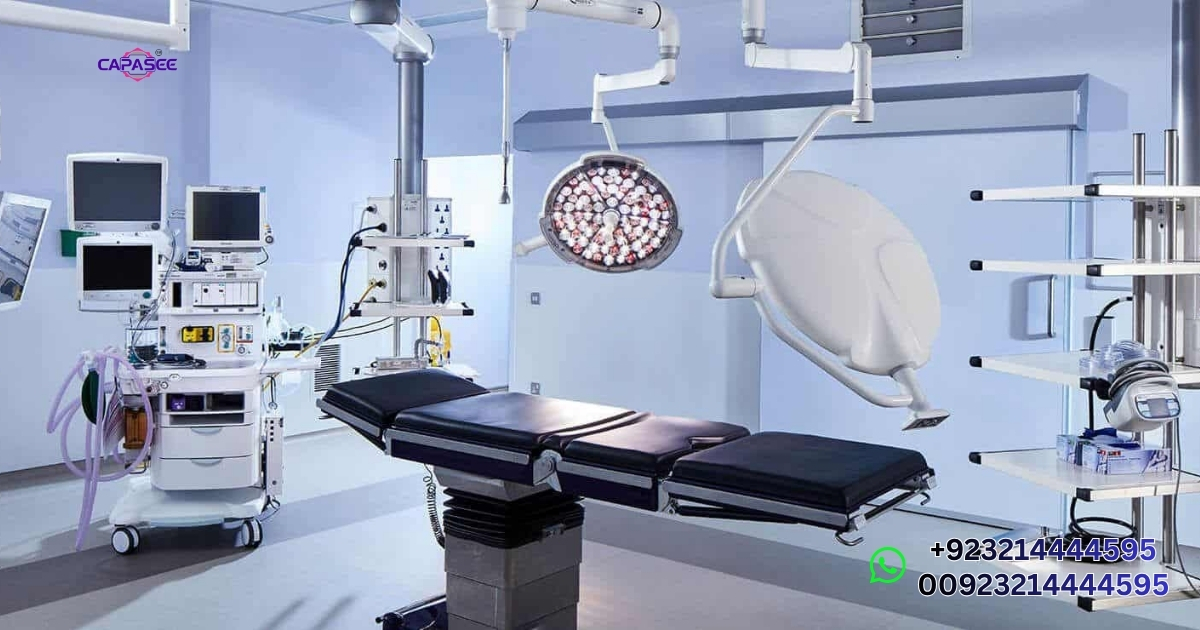
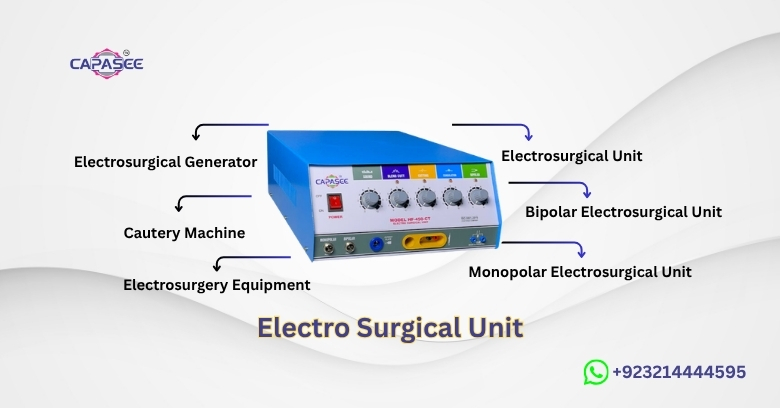
Hospitals mainly use two types of surgical diathermy units, monopolar for general work and bipolar for delicate procedures. A lot of the modern generators incorporate both into the very same cabinet, which is ideal for theatres with combined lists.
If a large teaching hospital is available and can be operated by both types every day, or a small surgical centre can manage a monopolar cutting or cauterising tool and a bipolar cauterising tool, then both types can be obtained. This should be determined by your case mix, rather than the brochure.
Monopolar Surgical Diathermy Unit for General Surgery
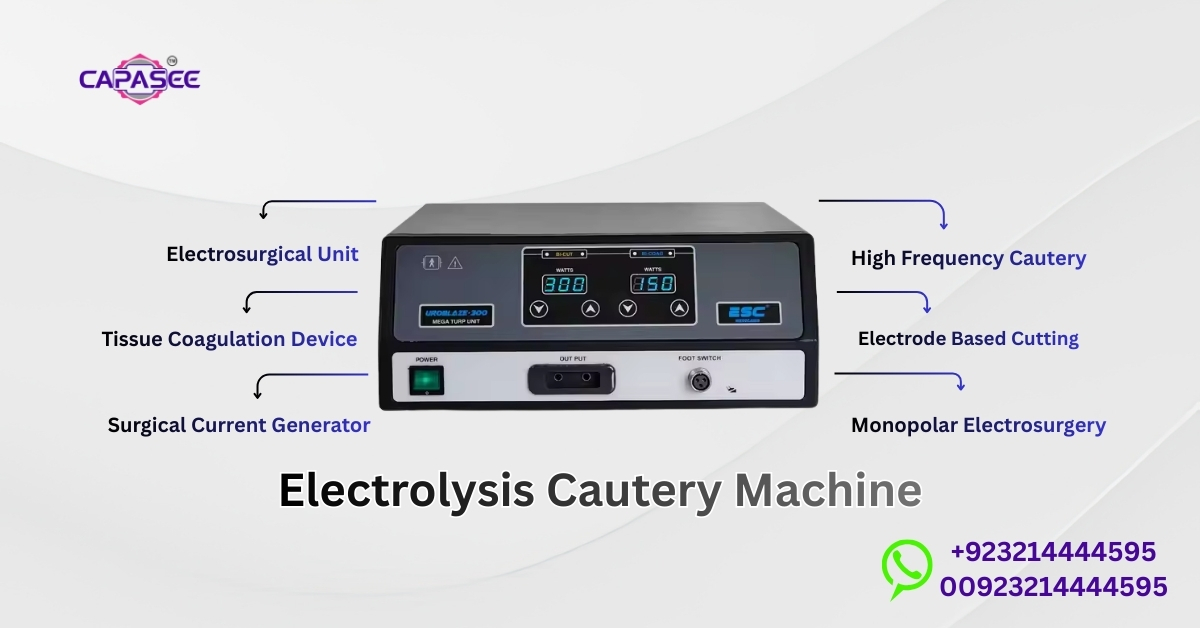
During monopolar mode, current passes from the active electrode, through the patient, to a return plate located on the thigh or back. This configuration provides high power and is thus the dominant one in general surgery, orthopaedics, gynaecology and urology with a surgical diathermy unit.
It is very important to correctly place the return plate. A weak plate attachment delivers a high concentration of current and can cause skin burns, so make sure you get a surgical diathermy unit with a return electrode contact quality monitor with an alarm should the contact fail.
Bipolar Diathermy Unit for Precise and Delicate Procedures
In bipolar forceps, the electrodes are located at the tip, thus forcing current to flow only through the tissue between the forceps. There is no need for a return plate, and heat remains restricted. That is why bipolar is the better choice in proximity to nerves, small vessels, and sensitive parts.
It is essential for neurosurgery, ENT, eye surgery, and microsurgery. Patients who have pacemakers are also helped, because bipolar current passes through a much shorter route in the body.
Which Diathermy Type Is Suitable for Your Surgical Procedure?
Use monopolar for cutting and bulk coagulation and bipolar for precision and small vessels. Where a theatre treats both types of cases, a combination surgical diathermy unit is the most cost effective option.
| Procedure | Recommended type | Reason |
| General abdominal surgery | Monopolar | High power for cutting and bulk haemostasis |
| Gynaecological surgery | Monopolar and bipolar | Cutting plus precise coagulation |
| ENT and neurosurgery | Bipolar | Limited heat spread near delicate tissue |
| Minor day care procedures | Monopolar | Quick, simple setup |
| Patients with pacemakers | Bipolar | Shorter current path |
Capasee Electro Medical Engineering will look at your procedures list and advise you on the configuration that suits your theatre and budget.
Surgical Diathermy Unit Price in Pakistan and Key Features
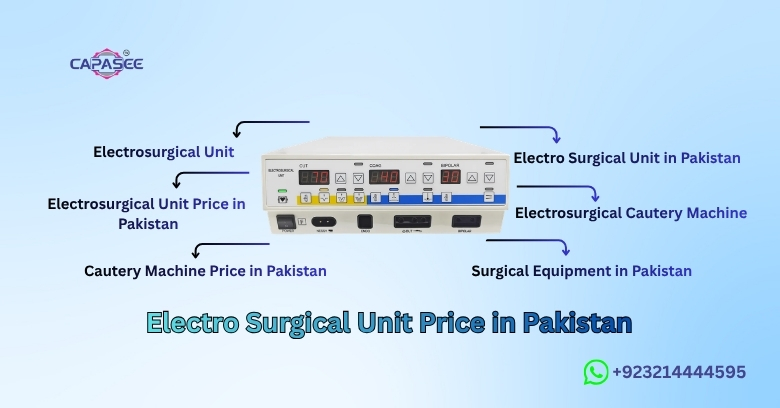
The typical price of a surgical diathermy unit in Pakistan ranges from PKR 150,000 to 1,500,000 based on the following parameters; power output, modes, safety systems, and the class of the brand. If all you are told by Price is that, look at what the machine is able to give to your theatre.
Suppose that a 40 bed private hospital purchases the least costly unit. In just one year, it will cover the costs of repairs, replacement plates, and lost theatre time. A mid range surgical diathermy unit with local service would have been less expensive over the same time period.
Surgical Diathermy Unit Price in Pakistan: What Determines the Cost?
The price is determined by five aspects; output wattage, number of modes, safety monitoring, accessories, and after sales service. Moderately simple monopolar generators are available, and higher priced monopolar or bipolar generators with return electrode monitoring are available.
The exchange rate and import duty also cause the movement of the price from month to month. Request a written quote from Capasee Electro Medical Engineering that includes accessories, warranty, and delivery to your city.
Features to Check Before Buying a Diathermy Machine in Pakistan
Remember your case mix, and then compare each feature below to your case mix. A checklist prevents you from paying for functions you have no use for or forgetting a function you can’t live without.
| Feature | Why It Matters | Recommended Consideration |
| Monopolar output | Supports cutting and coagulation across larger tissue areas | Suitable for general surgery |
| Bipolar output | Provides controlled coagulation near delicate tissue | Useful for ENT, gynaecology and specialized procedures |
| Cut, coagulation and blend modes | Allows surgeons to select the correct operating mode | Choose a unit with multiple modes |
| Power output | Determines suitability for different procedures | Match wattage with operating theatre requirements |
| Return electrode monitoring | Helps reduce risk related to poor patient plate contact | Prefer units with patient safety monitoring |
| Accessories and electrodes | Affect daily usability and total purchase cost | Confirm cables, handpieces, footswitch and patient plates |
| Local service and warranty | Supports maintenance and continuous operation | Choose a supplier offering technical support in Pakistan |
Pay special attention to the last row. The cost of a machine lying idle for three weeks waiting for a part is a lot more than a small price difference at the time of purchase.
Explore & Buy: Our Products
How to Choose the Best Surgical Diathermy Unit for Your Hospital?
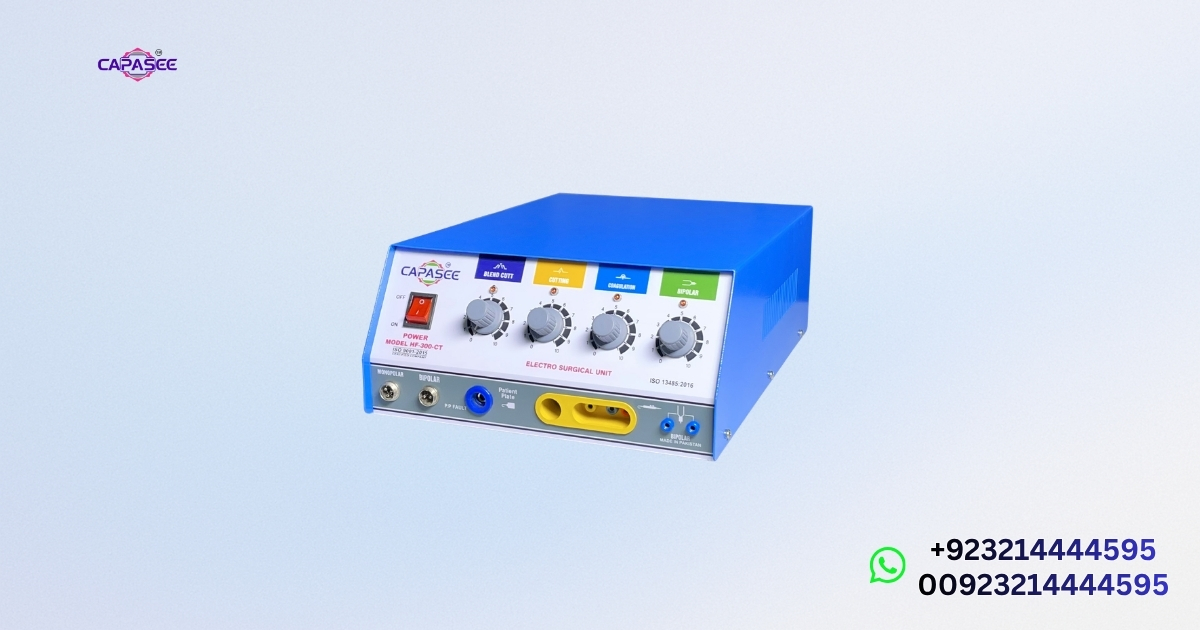
Choose the surgical diathermy unit that offers the most often used procedures, meets safety requirements, and offers reliable, local support. The wattage, brand names, and brochure specifications are of secondary importance to how it handles the cases you put in it.
One solution is to ask to see a performance in your theatre. Ask your surgeon and theatre nurse to test cutting, coagulation, and alarms, and then assess the same day two or three suppliers.
Surgical Diathermy Unit for General Surgery, ENT and Gynaecology
For general surgery, a high output monopolar cutting and bulk haemostasis are required. Fine bipolar control is required in ENT surgery, while both are required in gynaecology. There is a combined surgical diathermy unit that is shared across the three departments, in a single theatre.
If there are separate theatres in a hospital, it may make sense for one unit per speciality. Use your daily list to make a suggestion to Capasee, and you won’t spend more power than you need to.
Safety Checks, Installation and Maintenance for Diathermy Equipment
Prior to first use, verify that the surgical diathermy unit is equipped with stable earthing, a correct power supply, and a tested footswitch. In Pakistan, voltage fluctuations are frequent, so it is essential to protect the generator and maintain its output by using a voltage stabiliser or UPS.
Have maintenance done as a preventive procedure once a year. Technicians must retest to ensure the output is accurate, check cables, ensure alarms function, and document each visit for audit.
How to Reduce Burns, Smoke and Electrical Safety Risks During Surgery?
For each case:
- Apply the return plate on clean, dry, muscular skin near the surgical area.
- Avoid touching metal components of the table, and remove all metal jewellery from the patient.
- When not in use, place the active electrode in a holder.
- Do not use alcohol based skin preparation on the unit until it has been completely dry.
- Provide protection to staff from surgical smoke with the use of a smoke evacuator.
- Check cables for cracks before each list.
Most burns from diathermy are due to neglecting basic precautions, not to malfunctioning equipment. Most are prevented by reading a brief checklist before the first incision.
Buy Surgical Diathermy Unit from Capasee Electro Medical Engineering
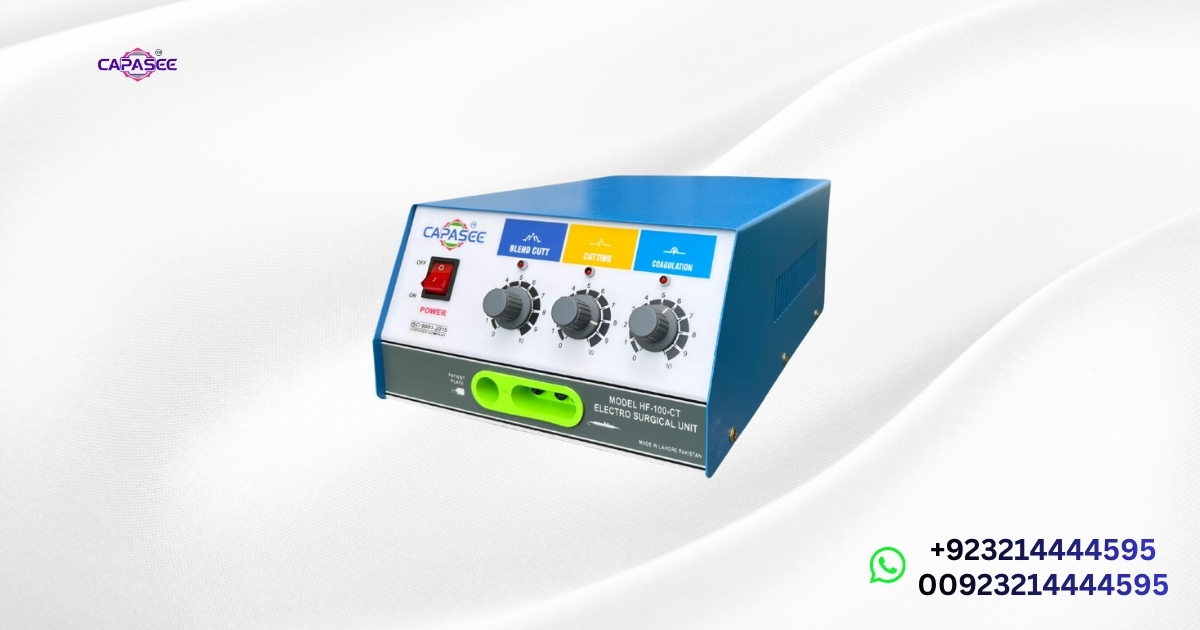
Capasee Electro Medical Engineering provides surgical diathermy units, dental cautery machines, and other electrosurgical accessories to day care surgical centres, clinics, and hospitals all over Pakistan. Equipment is matched to your procedures, and you receive a written quotation and technical support after delivery.
Let’s assume that there is a new surgical centre in Islamabad that requires a diathermy setup before the opening day. Rather than assuming wattage and accessories, the team lists their procedure, and the supplier suggests a configuration suitable for the theatre and budget.
Why Choose Capasee for Surgical Diathermy Equipment in Pakistan?
A company that focuses on medical equipment is what buyers look for when selecting Capasee. That means that advice is provided by individuals who know theatre workflow, electrical safety, and that local facilities will have a power problem each and every day.
Please check the table below and also request any supplier to provide evidence of this in writing.
| What You Need | What Capasee Offers | Why It Matters to You |
| Right equipment class | Guidance on monopolar, bipolar and combined units | You avoid paying for power you will not use |
| Complete package | Quotation covering cables, handpieces, footswitch and patient plates | You can compare offers on equal terms |
| Clear pricing | Written quote with accessories and delivery to your city | No surprise costs at handover |
| Ongoing support | Technical assistance and servicing within Pakistan | Less downtime for your theatre |
| Dental and surgical range | Dental cautery machines and general electrosurgical units | One supplier for multiple departments |
Please ask about the warranty, availability of spare parts, and the name of the service contact in the area before ordering. A supplier that can provide answers to these questions clearly will support the product post sale as well.
Frequently Asked Questions
What are the two types of diathermy?
The two types are monopolar and bipolar diathermy. Both are high frequency currents but are routed differently inside the body. The selection is based on the procedure you have, the strength you require, and the proximity to sensitive tissue. Most modern generators come with both in a single cabinet.
What is surgical diathermy?
High frequency electric current used to cut tissue or to close bleeding vessels. This current is generated by a surgical diathermy unit and is sent through a handpiece, electrodes, and footswitch. It is also utilized in hospitals and clinics in Pakistan to decrease blood loss and accelerate procedures.
What is a cautery unit?
A device that is used to heat a wire or a tip and to apply it to the tissue to prevent bleeding is called a cautery unit. An electric current remains in the instrument and does not flow into the patient. It is primarily used in clinics for minor bleeding and for small, simple procedures.
What is another name for diathermy?
Diathermy is most commonly called electrosurgery. Many theatres also say electrocautery, but it is not quite as accurate. These names are used interchangeably by suppliers and in manuals, so be sure to specify the type of equipment and modes available before making a quotation request to Capasee Electro Medical Engineering.
What is the difference between diathermy and cautery?
Diathermy is a high frequency current that runs through the tissues. Cautery involves the use of a heated instrument that penetrates the tissue but does not go into the body. Diathermy provides better control and has the additional function of cutting and coagulation; cautery is easier to use and only offers coagulation control.
What are the main surgical functions?
The primary uses are cutting of tissue, coagulating of blood vessels, and fulguration, which seals oozing surfaces by sparking on the surface of the vessel. The units also have some that offer deep drying by desiccation. These collectively enable surgeons to work more quickly, maintain a clear surgical field, and minimize sutures and ties.
What is the difference between Monopolar and Bipolar modes?
In monopolar mode, current flows through the patient to a return plate, and in bipolar mode, current remains between two forceps tips. Monopolar provides greater power for cutting and bulk coagulation. Bipolar not only spreads heat but also does not require a return plate, making it ideal for delicate work.
When do you use Bipolar diathermy?
When you need to have exact coagulation in the vicinity of nerves, small vessels, or sensitive structures, bipolar diathermy is indicated. It is ideal for ENT surgery, neurosurgery, ophthalmology surgery, and patients with pacemakers. The heat remains confined within the tips of the forceps, and therefore the potential for any inadvertent tissue damage is reduced.
Conclusion
When selecting a surgical diathermy unit, consider three key factors; output level monopolar, bipolar, or combined, return electrode monitoring, and local service before purchase. These are correct, and your theatre will not burn, will have less downtime, and you will never have any surprise costs. Before making your final decision, please submit your procedure list and delivery city to Capasee Electro Medical Engineering and get a written estimate and demonstration to make your final decision. Every surgeon in Pakistan ought to have equipment that performs its tasks the first time and the next time, and every patient ought to have a safe table. Invest in quality, and you will have equipment that will last for years.
One thought on “Surgical Diathermy Unit”