Patient Warming Systems for Pakistan – Best Options for Surgical Wards

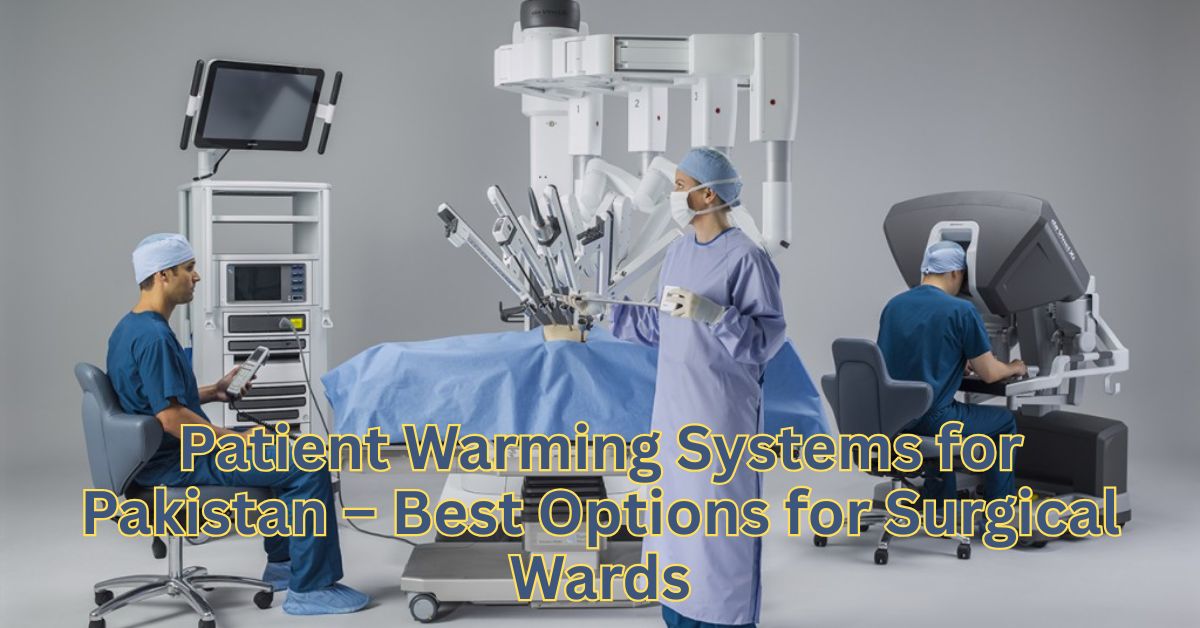
Seeing someone you love enter surgery is difficult, particularly in a hospital where the foundations sometimes seem lacking. Even something as basic as keeping a patient warm during or after surgery becomes a real concern in Pakistan, where power outages and antiquated equipment are not rare. You might wonder why hospitals should not already have this covered. Many sadly do not, and this puts lives at danger.
This blog explores why patient warming systems for Pakistan are lifavers rather than just medical devices. We will walk you through the reasons warming is essential in surgical treatment, the particular difficulties hospitals here experience, and which systems are best fit for local conditions. Whether your role is that of a doctor, caregiver, or merely worried, this book will provide you honest responses and workable solutions.
Bair Hugger Warming Units
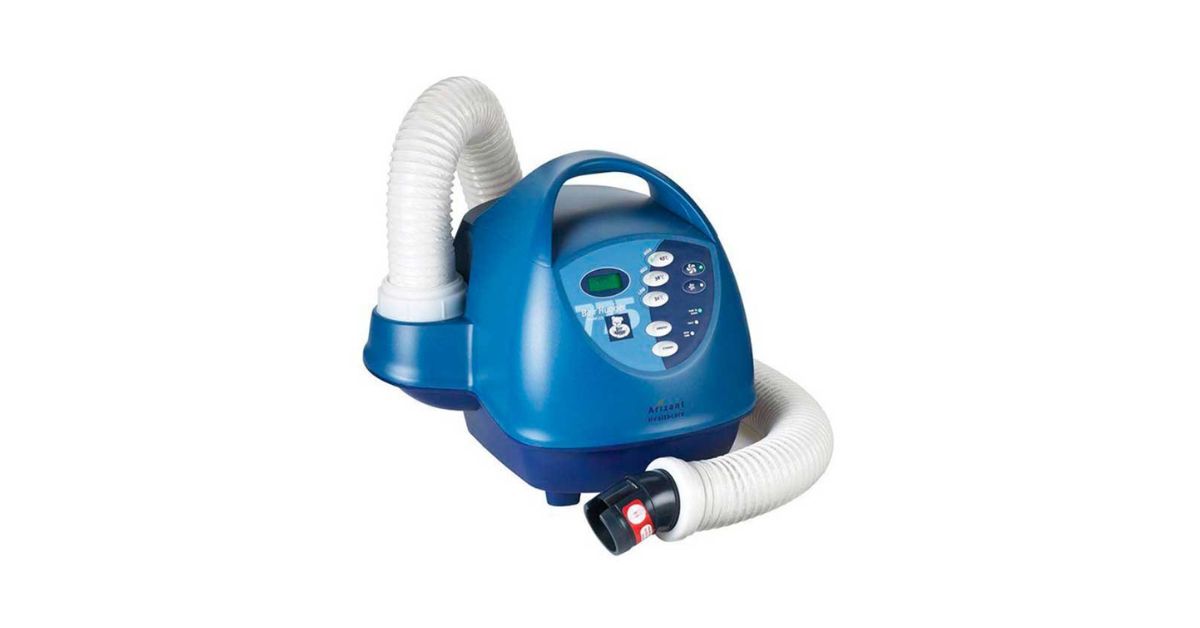
Leading patient warming system Bair Hugger is renowned for keeping core body temperature during operations. It uses forced air warming, supplying warm air through a disposable blanket to guard against perioperative hypothermia. Operating theaters (O.T.), and intensive care units (I.C.U.) both extensively rely on this technology to guarantee normothermia and improve patient safety.
Supported by more than 170 clinical investigations, the Bair Hugger method has been thoroughly investigated. These trials show how well it can lower post operative warming time and lower hypothermia prevention related problems. Its design emphasizes warm air circulation, therefore offering constant and comfortable thermal control all during the surgical operation.
How it works
Patient warming systems for Pakistan apply a clever technique known as forced air warming. Under this approach, a warmer unit pumps warm air through a disposable blanket covering the patient. This helps to preserve core body temperature by keeping the body warm during a surgery. The mild warm air circulation enhances temperature control in the operation theater and lowers perioperative hypothermia risk.
The intensive care unit (I.C.U.) and during critical patient care are just two of the several situations this medical warming system finds beneficial. By maintaining the body heat constant, it significantly influences intraoperative patient care and postoperative recovery. A forced air warming system such as the TC-200 Warming System provides a safe approach to avoid hypothermia and promotes surgical patient warming. It comforts the patient and supports Pakistani hospitals’ doctors during perioperative treatment.
Benefits for Pakistani Hospitals
By lowering complications during operation, patient warming systems for Pakistan assist hospitals save money. Hospitals can reduce perioperative hypothermia risk using devices like the TC-200 Warming System. This aids to reduce the postoperative healing timeframes. Reduced utilization of extra medical care in the operation theater and intensive care unit (I.C.U.), less infections, and improved healing also follow from a forced air warming system.
By maintaining the core body temperature constant throughout every surgical operation, these technologies increase patient safety. A disposable blanket’s warm air circulation aids in doctors’ control and helps to regulate temperature. It guarantees appropriate thermal treatment in surgery, increases comfort, and promotes important patient care in both large institutions and smaller clinics. Modern, reasonably priced hospital warming systems all throughout Pakistan depend much on surgical patient warming.
Real World Applications in Surgical Wards
Many surgical departments in Pakistan employ patient warming systems to enhance treatment during every surgical operation. Devices like the TC-200 Warming System offer a safe and consistent warm air flow system meant to stop body heat loss. By means of a disposable blanket, these devices help to preserve core body temperature, therefore facilitating the prevention of hypothermia in the operating theatre (O.T.) during protracted operations.
These days, many hospitals use these technologies into daily temperature control and perioperative treatment. Through bodily stability, they speed up surgical recovery and enhance intraoperative temperature regulation. This is especially helpful in ICU patient care since patients undergoing surgery require effective thermal treatment. These systems also help patient safety, lower complications, and provide complete critical care warming solutions fit for public and private hospitals in Pakistan.
You May Also Read This Blog: Electrosurgical Unit Accessories for Pakistan – Complete Suppliers & Importers List
Bair Hugger for Health Care
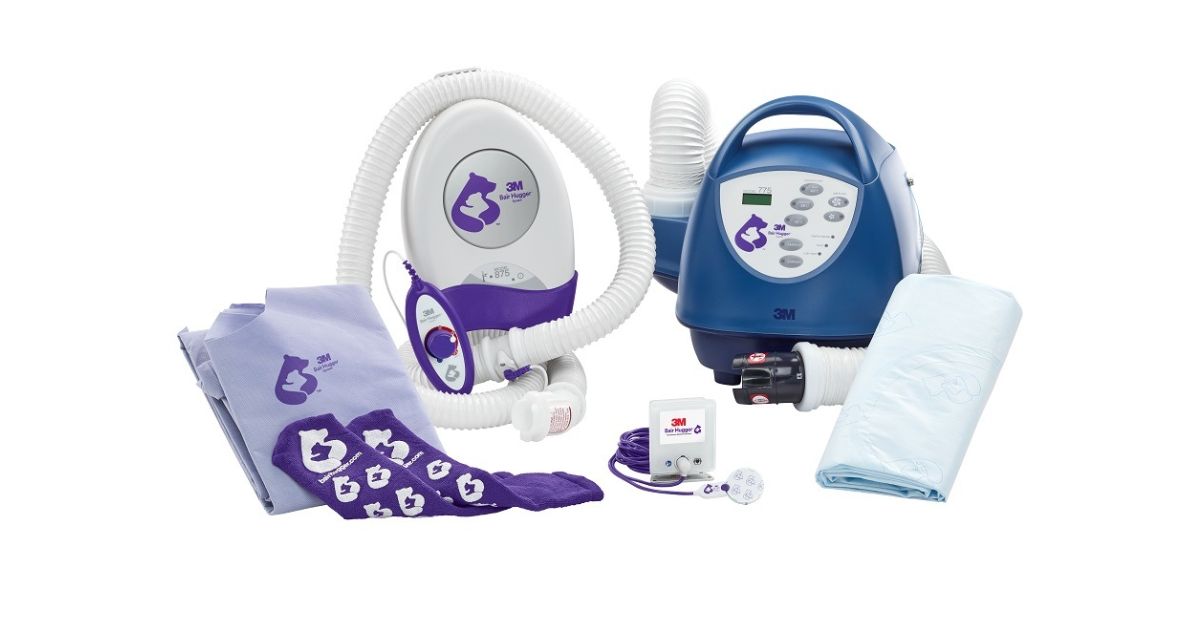
Popular patient warming systems for Pakistan, the Bair Hugger keeps central body temperature constant during operation. It blasts warm air over a disposable blanket laid on the patient using a forced air heating system. This warm air circulation helps to control temperature in the operating theatre (O.T.), therefore preventing perioperative hypothermia. To increase patient comfort and safety, Pakistani hospitals warm surgical tools and post operative devices using it.
In the intensive care unit (I.C.U.), and critical care, this medical warming device is absolutely vital. Reducing the danger of surgical hypothermia, the Bair Hugger provides exact temperature regulation and intraoperative warming. It supports preservation of normothermia during surgical operations and fits nicely with perioperative care guidelines. For all patients, its effective heat circulation system and hospital warming blanket help to assist body temperature control and postoperative recuperation.
Deep dive into why Bair Hugger is ideal for Pakistan’s Healthcare System
By preserving the core body temperature during surgical operations, the reliable patient warming systems for Pakistan, the Bair Hugger, helps prevent perioperative hypothermia. Using warm air circulation through a disposable blanket, its forced air warming system effectively manages temperature in the operating theater (O.T.). This device increases patient safety during intraoperative and post operative warming as well as supports normothermia.
The Bair Hugger performs effectively in Pakistan’s hospitals given the rigors of critical care and intensive care units (I.C.U.). It provides consistent temperature control, therefore helping to lower surgical hypothermia related problems. Smooth integration of the medical warming system with other hospital warming systems guarantees continuous body temperature control and improved postoperative recovery. Pakistani healthcare would find it perfect for its sophisticated warm air flow system and thermal treatment in surgery.
Case Studies and Success Stories
Using forced air warming devices and patient warming systems for Pakistan like the TC-200 Warming System, Pakistani hospitals have seen tremendous success. By keeping the core body temperature during surgical operations, these technologies assist avoid perioperative hypothermia. One instance from a large hospital demonstrated how better temperature control in the operating theater (O.T.) resulted from warm air circulation through a disposable blanket and warmer unit. Faster surgical recovery and safer intraoperative warming were thus the results.
These medical warming systems assist critical care warming solutions in the intensive care unit (I.C.U.). Using thermal blankets and hospital warming blankets guarantees normal temperature and lowers surgical hypothermia risk. Consistent temperature management and body temperature maintenance helps many Pakistani hospitals report better patient comfort and less issues. These positive results of warming therapy show Pakistan’s need of patient warming systems in terms of life saving and enhancement of the quality of treatment.
Comparison with Traditional Methods
In Pakistan, conventional techniques include warmed IV fluids and normal blankets have proven rather popular for patient warming. These techniques, meanwhile, give little control over core body temperature and temperature control during operation. Simple thermal blankets cannot provide constant warm air circulation or avoid perioperative hypothermia enough in the operation theater (O.T.). Many times, these conventional approaches overlook the exact temperature control required for major surgeries.
Modern patient warming systems for Pakistan such as the TC-200 Warming System, on the other hand, maintain normothermia throughout perioperative treatment by use of forced air warming devices. By use of a warm air flow system and disposable blankets, these devices offer consistent heat, therefore enhancing intraoperative warming and postoperative recovery. By reducing body heat loss more effectively than conventional techniques and so enhancing patient safety and critical care outcomes, advanced warming technologies enhances ICU patient care.
Maintenance & Affordability for Pakistani Hospitals
Easy to maintain and with consistent temperature control, patient warming systems for Pakistan such as the TC-200 Warming System provide The simpler design of the warmer unit allows warm air circulation through a disposable blanket, therefore lowering infection risk. Since they require fewer regular repairs and basic cleaning practices, Pakistani hospitals find these systems affordable. This guarantees patient safety during perioperative hypothermia prevention and helps to save money.
The healthcare situation in Pakistan depends much on affordability. New forced air warming systems strike a mix between cost and quality. Crucially for regulation of core body temperature in operating theatres (O.T.), and intensive care units (I.C.U.), they enhance intraoperative warming and post operative warming. These medical warming systems are perfect for Pakistani hospitals emphasizing on essential patient care and improved surgical patient warming since they support long term use with effective temperature control.
TC-200 Warming System
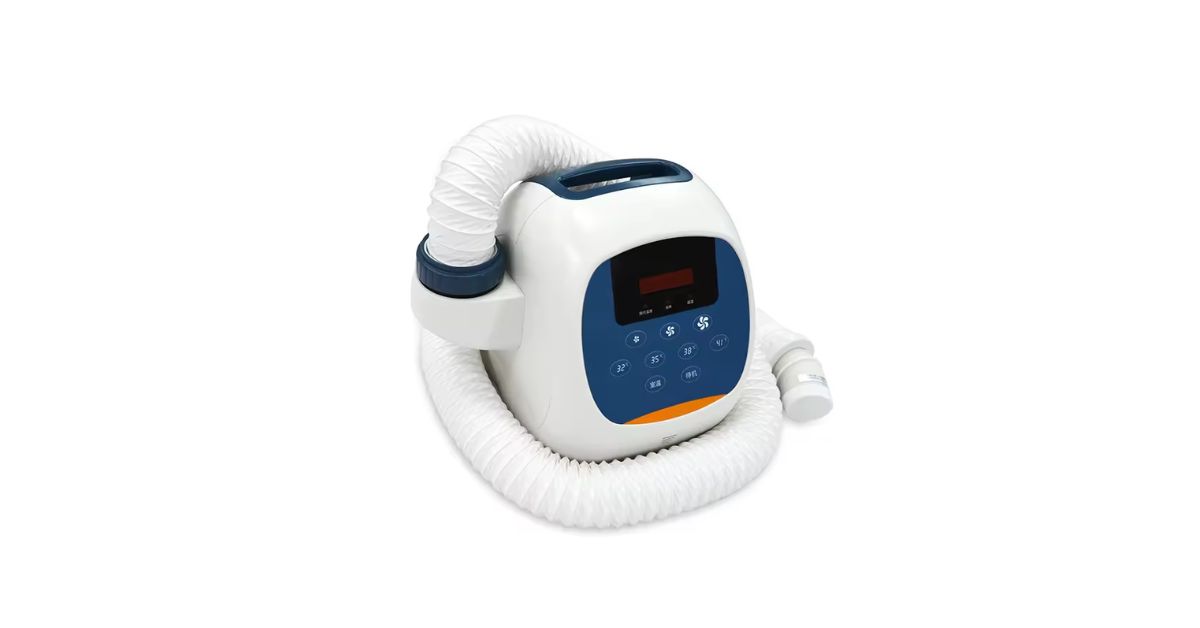
Operating theaters (O.T.), and intensive care units (I.C.U.), the TC-200 Warming System is a dependable patient warming tool extensively utilized in Pakistan. It helps to keep core body temperature during surgical operations by means of consistent warm air circulation using a disposable blanket. In perioperative hypothermia prevention, this system is essential since it controls body heat and supports normothermia in critical care environments, therefore maintaining patient safety.
This medical warming system presents simple operation and maintenance together with exact temperature control. This is a good thermal control tool that produces post operative and intraoperative warmth. The warmer unit keeps hospitals’ patient thermal comfort intact and helps to avoid issues from body heat loss. Perfect for patient warming systems for Pakistan, the TC-200 Warming System provides temperature monitoring and speedier surgical recovery.
Overview of the TC-200 System
Modern patient warming systems for Pakistan utilized in operating theatres (O.T.) and intensive care units (I.C.U.), the TC-200 Warming System is Maintaining the core body temperature during surgical operations, it employs sophisticated warm air circulation technology to prevent perioperative hypothermia. In critical patient care, this system comprises a warmer unit and disposable blanket that assist normothermia by means of efficient temperature control.
By means of its forced air warming technology, this medical warming system provides exact temperature control. To assure patient safety, it provides consistent intraoperative and post operative warming. Easy controls and dependable thermal treatment in surgery let the TC-200 enable hospitals in Pakistan offer effective warming therapy and enhance postoperative recovery. This technology distinguishes itself in helping to control body temperature in all stages of perioperative treatment.
Best Use Cases in Surgical & Recovery Wards
Postoperative healing and surgical patient warming in Pakistan depend much on patient warming devices. These technologies assist to preserve the core body temperature throughout protracted surgical operations in the operating theatre (O.T.). The TC-200 Warming System avoids perioperative hypothermia by means of a forced air warming device and warm air circulation. This guarantees consistent temperature management and helps to sustain normothermia, which is absolutely vital for intraoperative temperature control and patient safety.
Patient warming systems continue temperature control in recovery wards and the intensive care unit (I.C.U.) utilizing thermal blankets and hospital warming blankets. These devices help to prevent hypothermia issues by enhancing body temperature maintenance following surgery. Effective perioperative treatment and general patient thermal comfort in Pakistani hospitals depend on the warm air flow system and thermal management devices supporting critical care warming solutions, so these systems are indispensable.
Energy Efficiency & Durability
Strong energy efficiency and long lasting durability are necessary qualities of patient warming systems for Pakistan. During surgical operations, the TC-200 Warming System maintains core body temperature by means of a forced air heating system that consumes less energy. Even with regular power outages a typical problem in many Pakistani hospitals, this system guarantees consistent temperature control and hypothermia avoidance. Good warm air circulation enhances patient safety and helps to lower energy waste.
For hospitals dealing with heavy utilization and power constraints, durability is absolutely vital. Designed for continuous usage in operating theaters (O.T.), and intensive care units (I.C.U.), the TC-200’s warmer unit and thermal control device is built without continual repairs, this dependable medical warming system supports intraoperative warming and postoperative recuperation. These methods are perfect for Pakistan’s healthcare situation since they improve critical care and lower expenses by keeping normothermia.
Price Range & Availability in Pakistan
Different pricing points for patient warming systems for Pakistan such as the TC-200 Warming System allow them to be suited for hospital budgets. These devices guarantees core body temperature stability during surgical operations and help to prevent perioperative hypothermia. Major cities’ availability of disposable blankets and warmer units helps to better control temperature in operating theaters (O.T.) and intensive care units (I.C.U.). Reliable patient warming devices improve patient safety and aid to keep normothermia.
The market presents several models of medical warming devices fit for intraoperative and post operative warming. To help with temperature control and hypothermia prevention, hospitals can locate forced air warming systems including warm air circulation technology. The healthcare facilities in Pakistan still show great availability to provide crucial treatment and seamless surgical recovery. These systems have a basic table here displaying their price range and availability.
| Product Type | Price Range (PKR) | Availability in Pakistan | Key Features |
| TC-200 Warming System | 500,000 – 1,200,000 | Major hospitals, medical suppliers | Forced air warming device, durable |
| Disposable Blankets | 500 – 1,500 per unit | Widely available in medical stores | Single use, hygiene, heat retention |
| Warmer Unit (Basic models) | 250,000 – 600,000 | Available in larger cities | Temperature control, easy operation |
| Thermal Blankets | 1,000 – 3,000 | Hospitals and clinics | Reusable, supports body heat |
With patient warming technologies that stop body heat loss and preserve temperature control for improved perioperative treatment and ICU patient care, this pricing aids Pakistani hospitals.
Istanbul Medikal Medwarm Patient Warming System

Patient warming systems for Pakistan, the Istanbul Medikal Medwarm System is a dependable option. During surgical operations and post operative care, this system aids to preserve core body temperature. It makes good warm air circulation across a throw away blanket using a forced air heating system. By supporting temperature control in the operating theater (O.T.) and intensive care unit (I.C.U), this innovative medical warming system helps to prevent perioperative hypothermia and hence increase patient safety.
Originally intended for post operative and intraoperative warming, the Medwarm system provides effective thermal control and thermal treatment in surgery. Its warmer unit guarantees consistent heat flow, therefore supporting normothermia and shielding patients from heat loss from heat loss. This critical care warming solution helps Pakistani hospitals to keep body temperature control and enhance recovery results in surgical patient warming and ICU patient care.
Introduction to Medwarm
Trusted patient warming system for Pakistan is the Medwarm system. By means of a forced air warming system employing warm air circulation and a disposable blanket, it provides efficient temperature control. During surgical operations in the operating theater (O.T.), and in the intensive care unit (I.C.U., this medical warming device aids sustaining core body temperature. Reliable temperature control guarantees patient safety and helps avoid perioperative hypothermia.
Made for both intraoperative and post operative warming, the Medwarm system uses a premium warmer unit to deliver consistent heat. It advances hospital critical patient care and normothermia. In surgery, this thermal care improves patient thermal comfort and speeds up postoperative recovery. In Pakistan, the system is a first rate hospital warming solution that helps to control body temperature and lower hazards during perioperative treatment.
Key Features & Advantages Over Competitors
Advanced temperature management with exact temperature control provided by patient warming systems for Pakistan such as the TC-200 Warming System helps to sustain core body temperature during surgical operations. These systems provide patient safety in the operating theatre (O.T.) and intensive care unit (I.C.U.) by means of warm air circulation and forced air warming devices, therefore preventing perioperative hypothermia. Including a disposable blanket lowers infection risk and improves thermal treatment in surgery.
These systems offer great intraoperative and post operative warming with lasting warmer units and effective warm air flow systems when compared to rivals. Through better body temperature maintenance, they assist preoperative warming and ICU patient care. Ideal for hospitals concentrated on quick postoperative recovery and continuous patient thermal comfort during all phases of perioperative treatment, their thermal management systems provide consistent hypothermia prevention and critical care warming solutions.
Suitability for Pakistani Hospitals
Reliable temperature control given by patient warming systems for Pakistan like as the TC-200 Warming System helps to prevent perioperative hypothermia in the operating theater (O.T.) and intensive care unit (I.C.U.). These systems control core body temperature during surgical operations by means of forced air warming devices and warm air circulation. Medical warming systems guarantee patient safety and help quick surgical recovery, therefore benefiting Pakistani hospitals. Importing such machinery calls for careful thought of shipping and customs charges as well as local rule compliance.
Features like thermal blankets, throwaway blankets, and sophisticated temperature control technologies define the price for these systems. Considering longevity and cheap maintenance, hospitals in Pakistan feel that warming solutions are reasonably priced. Greater availability of warmer units with effective warm air flow systems helps to meet continuous patient warming requirements in perioperative and critical care systems. These devices provide great value overall since they prevent hypothermia and keep normothermia for better surgical results.
User Testimonials
Many Pakistani hospitals, especially the TC-200 Warming System, have positive experiences with patient warming systems for Pakistan. Doctors praise the device for great temperature control during surgical operations since it helps to sustain core body temperature and prevents perioperative hypothermia. Features of the forced-air warming system and warm air circulation provide smooth intraoperative warming, therefore improving patient safety in the operating theater (O.T.), and intensive care unit (I.C.U.).
Nurses stress the easy use of the warmer unit and disposable blanket, which help to effectively post operative warming and improve postoperative recovery. Important patient care is given by consistent temperature regulation and hypothermia avoidance of the system. Many medical teams regard the hospital warming blanket and thermal treatment in surgery as simple tools for maintaining normothermia and providing continuous perioperative care system support throughout patient warming treatment.
Astopad® Resistive Patient Warming System

For Pakistan’s patient warming needs, the Astopad® resistive Patient Warming System is a dependable solution. It heats patients using a medical thermal blanket by use of a thermal management device. During surgery, this system helps to preserve core body temperature, therefore lowering the risk of perioperative hypothermia. It enables intraoperative warming with safe, even heat and gives the operating theater (O.T.) consistent temperature control.
This technology stops body heat loss during surgery, therefore enhancing patient safety. The Astopad® warming blanket assists with temperature monitoring and hypothermia prevention as well as provides effective post operative warming in the intensive care unit (I.C.U.). Its forced air warming system supports critical care warming technologies and guarantees flawless warm air circulation. Pakistani hospitals looking for efficient and simple to use hospital warming solutions would find the Astopad® system fitting.
What Makes Astopad Unique
The Astopad® Resistive Patient Warming System keeps core body temperature during surgery by means of resistive heating. Unlike a forced air heating system, it directly warms a medical thermal blanket without producing warm air. This guarantees constant temperature control and lowers the operating theater (O.T.) infection risk. Its design supports safe intraoperative warming and helps Pakistani hospitals avoid perioperative hypothermia.
By means of a disposable blanket, forced air heating systems rely on warm air circulation, the other hand. Although efficient, they can disperse airborne particles in delicate settings like the intensive care unit (I.C.U.). The Astopad method offers uniform temperature control devoid of moving air. This guarantees patient safety during surgical warming and post operative warming in Pakistani hospitals and makes it perfect for critical care warming solutions.
Ideal for Specific Surgical Cases
In extensive operations like orthopedics and other surgeries, patient warming systems for Pakistan are quite vital. Throughout protracted surgical operations, these technologies assist patients to preserve their core body temperature. Perioperative hypothermia can be avoided with a medical warming system with a forced air warming device or thermal blanket. This supports consistent temperature control, therefore improving postoperative recovery and keeping the patient safe in the operating theater (O.T.).
Continuous intraoperative warming is essential in protracted operations including orthopedic situations to prevent body heat loss. Systems such the TC-200 Warming System provide preoperative warming and exact temperature control. These tools keep patients comfortable and steady by means of warm air circulation or resistive heat. These critical care warming solutions are used in Pakistani hospitals to increase patient safety and avoid difficulties in the intensive care unit (I.C.U.), following surgery.
Features
Important characteristics of the Astopad resistive patient warming system provide patient warming in Pakistan’s operating theaters and intensive care units (I.C.U.) great advantages. It is light, which makes moving and using simple during surgical operations straightforward. Reusable and geared for temperature control, the technology helps prevent perioperative hypothermia. Its built in thermal blanket and warmer unit help to manage core body temperature consistently and facilitate post operative warming.
Effective intraoperative warming in this medical warming system is accomplished by resistive heating and warm air circulation. Reliable hypothermia prevention guarantees outstanding temperature control and patient safety with the Astopad gadget. It keeps preoperative warming and crucial patient care under normal temperature. For extensive operations and in ICU warming technology to increase patient thermal comfort and recovery, Pakistani hospitals find this device essential for body temperature control.
Gentherm Carbotex® Heating Technology
By means of sophisticated thermal management mechanisms delivering consistent and mild heat, the Gentherm Carbotex® heating technology improves patient warmth. During surgical operations in the operation theater (O.T.), and in the intensive care unit (I.C.U.), this method aids to preserve the core body temperature. By means of a consistent warm air circulation system, its special design enhances temperature control, lowers risks of perioperative hypothermia, and promotes speedy postoperative recovery by so limiting heat loss.
By means of a thermal blanket combined with a warmer unit, this creative medical warming system guarantees even heat distribution and avoids hot spots, so providing excellent patient safety. Highly efficient, lightweight, and perfect for protracted operations needing exact intraoperative warming and temperature control is the Gentherm Carbotex® technology. This critical care warming solution helps Pakistani hospitals since it guarantees efficient hypothermia prevention during surgical care, maintains body temperature control, and enhances patient thermal comfort.
Astopad COV
For cardiovascular operations, the Astopad COV is perfect since it provides exact temperature control and efficient intraoperative warming. Long and difficult surgical operations in the operation theater (O.T.), this technique helps preserve the core body temperature. By means of regular warm air circulation through a dependable thermal management device, it ensures patient safety and speedier surgical recovery, therefore preventing perioperative hypothermia.
Strong emphasis on patient warming systems for Pakistan and hypothermia prevention drives this medical warming system to support important heart operations. In surgery, the warmer unit combined with a disposable blanket offers outstanding thermal treatment, therefore ensuring patient comfort and stability. This device helps Pakistani hospitals better control temperature in the intensive care unit (I.C.U.) and during perioperative treatment, therefore increasing general critical patient care and lowering of problems during cardiovascular surgeries.
Astopad SOF
Made especially for soft tissue operations, the Astopad SOF offers safe and efficient patient warming in the operation theater. It guarantees exact temperature control and maintains the core body temperature constant during surgery. By use of a disposable blanket and warm air circulation, this technology prevents perioperative hypothermia, therefore facilitating speedier postoperative recovery and improved critical patient care in Pakistani hospitals.
By means of a forced air warming device with a sophisticated heat circulation system, this medical warming system guarantees outstanding intraoperative warming. It lowers the danger of surgical hypothermia by preserving normothermia all during the operation. In the intensive care unit (I.C.U.), and perioperative care system, the warmer unit provides mild, regulated heat, therefore improving patient thermal comfort and increasing safety during delicate surgical operations.
Astopad ROE
The Astopad ROE is especially made for demanding situations and orthopaedic procedures. Through exact temperature control, it preserves core body temperature, so promoting patient warming. This technology prevents perioperative hypothermia in the operation theater by means of a dependable warmer unit and warm air circulation. Long and difficult surgical operations can thus be avoided. In important orthopedic treatment, it guarantees outstanding patient safety and comfort.
The Astopad ROE works effectively as a thermal control tool in demanding conditions. It provides a lasting disposable blanket and consistent intraoperative warming using a robust forced air heating system. This promotes postoperative recovery and helps to sustain normothermia. For Pakistan’s hospitals, the system provides consistent temperature monitoring and hypothermia prevention as well as fits nicely in the intensive care unit (I.C.U.).
Bair Hugger vs. TC-200 vs. Medwarm vs. Astopad
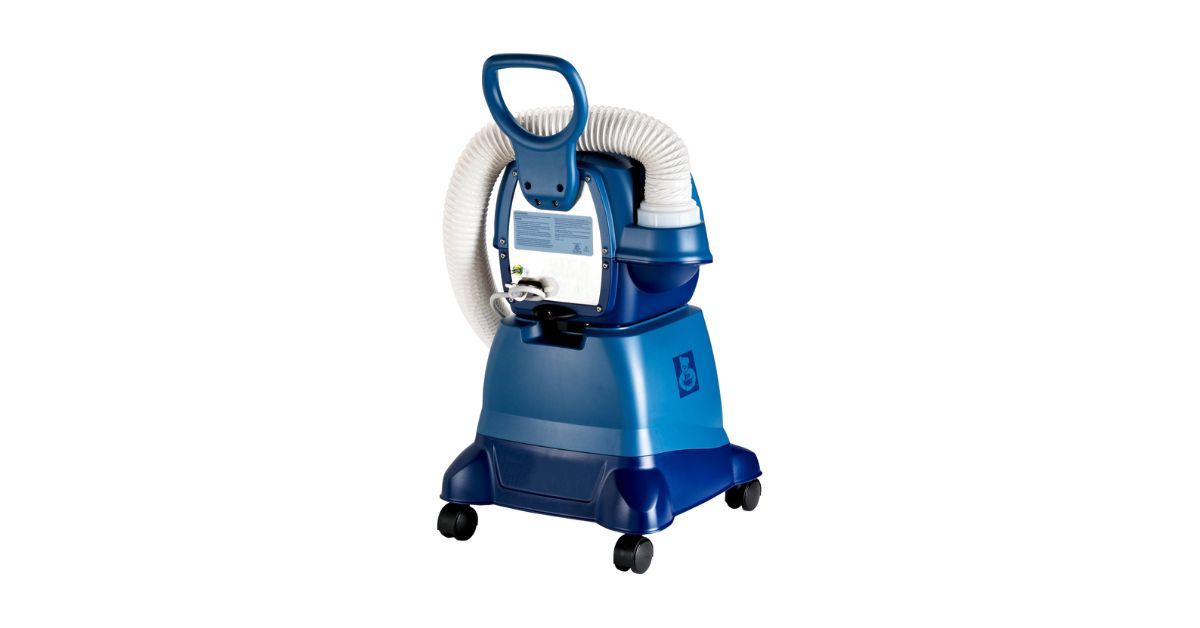
The Bair Hugger keeps core body temperature during surgery by means of a forced air warming system with outstanding warm air circulation. It performs great in the operating theater and intensive care unit (I.C.U.), and provides consistent perioperative hypothermia avoidance. Still, it depends on a steady power source and makes use of throw away blankets, which can raise expenses. In Pakistan, its demonstrated safety and efficiency help to explain its popularity for patient warming.
Strong intraoperative warming and temperature control also come from the TC-200 Warming System, Medwarm, and Astopad. With simple controls and outstanding patient thermal comfort, the TC-200 centers on temperature control and hypothermia prevention. Medwarm is a small warmer tool fit for postoperative heating. The Astopad system is well known for its flexibility in several operations using effective heat circulation mechanism. Every system supports normothermia but differs in cost, size, and features fit for various critical care warming solutions in Pakistani hospitals.
Which is best for Pakistan?
The decision for patient warming systems for Pakistan will rely on effectiveness, maintenance, and cost. The TC-200 Warming System enables simple temperature control and consistent perioperative hypothermia avoidance. Good warm air circulation helps it to effectively preserve core body temperature. The system strikes patient safety and cost by using a warming unit and throw away blankets. It fits for critical care since it performs effectively in the operation theater and intensive care unit.
Though they may require more maintenance or cost more, other devices like Bair Hugger and Astopad also offer strong surgical and intraoperative warming. The TC-200 is unique in simplicity and low maintenance. Its forced air heating technology guarantees higher patient thermal comfort and efficient hypothermia avoidance, therefore supporting temperature control in perioperative treatment. For Pakistani hospitals stressing quality and economy, this makes it perfect.
Conclusion
Effective temperature control and hypothermia prevention during operations are provided by patient warming systems for Pakistan like the TC-200 Warming System, Bair Hugger, and Astopad. The ideal system you choose will rely on the budget, size, and particular surgical demand of your facility. The TC-200 is especially advised for dependable and reasonably priced warming treatment. Hospitals should call approved Pakistani distributors or suppliers to guarantee patient comfort and safety. Appropriate medical warming equipment enhances results and supports essential care in any hospital environment.
FAQ’s
What is a machine used to warm a patient?
Like a forced air heating system, a patient warmer is a machine that maintains patients’ warmth during surgery or recovery.
What is the function of the patient warmer?
During medical operations, the patient warmer keeps body warmth and helps to avoid hypothermia.
What is warmer in hospital?
Particularly in the ICU or during surgery, a warmer in the hospital is a tool used to keep patients warm.
What is the main purpose of a warmer?
A warmer mostly serves to stop heat loss and preserve normal body temperature.
What is phototherapy ppt?
Presenting light therapy used to cure neonatal jaundice by lowering excess bilirubin, Phototherapy PPT.