Laparoscopic Surgery: Equipment, Uses and Benefits

Hospitals and medical clinics are constantly being asked to provide safer surgeries that lead to shorter post surgical recovery times, and laparoscopic surgery is a practical solution to that. Surgeons use a camera and special instruments instead of a large open incision to perform the surgery, thus avoiding most post surgical pain and short hospital stays. The items of interest for the buyer, however, are what a full laparoscopic package includes, and whether or not it meets their facility’s case volume, staff capabilities, and budget.
This guide will take you through the critical laparoscopic surgery equipment, the typical surgeries that it facilitates, and the clinical and operational advantages to patients and healthcare institutions. You will also discover key points to consider when buying and make a confident, well informed decision.
What Is Laparoscopic Surgery and How Does It Work?

A newer type of surgery called laparoscopic surgery uses small incisions to perform surgery, rather than large ones. This method is more precise, which decreases damage to surrounding tissues.
What Is Laparoscopic Surgery?
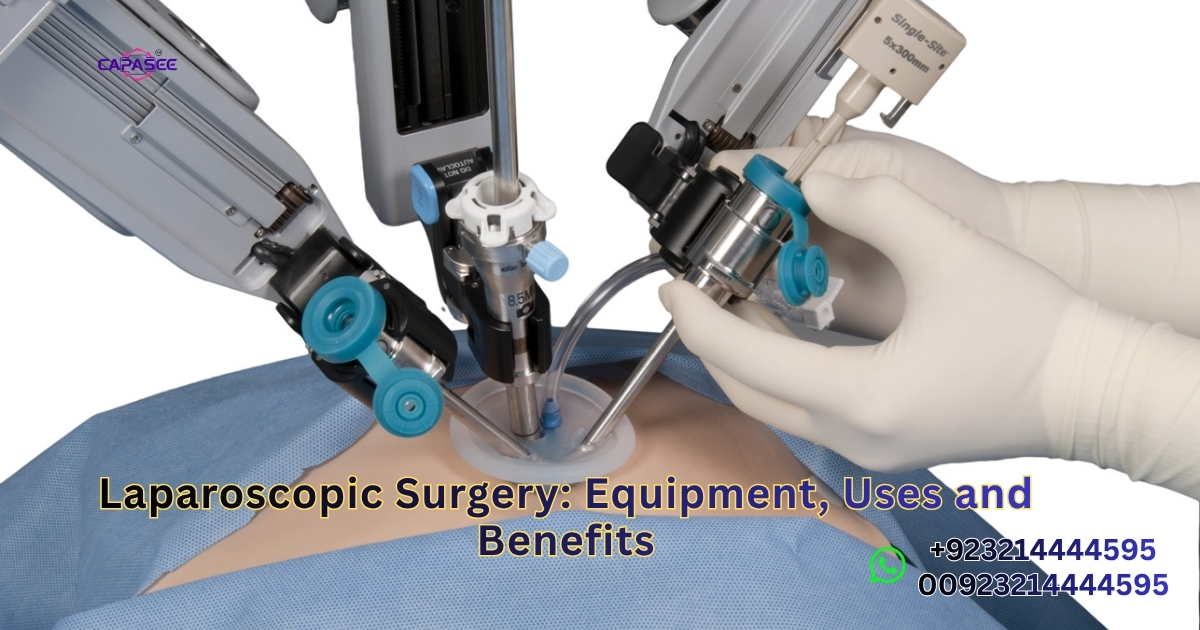
Laparoscopic surgery is one of the minimally invasive surgical procedures conducted with a thin camera and special instruments inside the abdomen. It is also called “keyhole surgery” due to the small incisions performed by the physicians.
A laparoscopic surgery utilises several small incisions as opposed to a large incision through which to access internal organs in a traditional open surgery. A video camera shows the inside of the surgery on a monitor so that the surgeon can make accurate movements.
This procedure is widely used in general surgery, gynecology, urology, and gastrointestinal surgery. Surgeries performed frequently include gallbladder removal, appendix removal, hernia repair, ovarian cyst surgery, and some abdominal surgeries.
Minimally invasive surgery is preferred because it causes less surgical trauma with effective treatment. But it is a matter of suitability for the patient’s condition, medical history, and the surgeon’s evaluation.
Check out this blog too: Forceps Surgical Instruments for Hospitals in Pakistan
How Does a Laparoscopy Procedure Work?
The laparoscopy procedure follows a well planned sequence whereby the surgical team has access to the internal organs, is able to view the treatment area, and conducts the appropriate operation.
1. Patient Preparation and Anesthesia: The medical team assesses the patient and puts the patient into general anesthesia. This is to prevent the patient’s consciousness and to maintain a comfortable position for most laparoscopic surgeries.
2. Creation of Small Incisions: The laparoscopic surgeon makes small incisions, typically to put the camera and surgical instruments into the abdomen.
3. Insertion of the Laparoscope: The laparoscope, which has a camera and optical system, is inserted through a small incision. It transmits magnified pictures of internal organs to the medical monitor.
4. Carbon Dioxide Insufflation: If necessary, carbon dioxide gas is pumped into the abdomen using an insufflator. This frees up the working room and provides a better view when performing laparoscopic abdominal surgeries.
5. Insertion of Surgical Instruments: The surgeon inserts into the body with surgical instruments through the trocars and cannulas. They are used for grasping, cutting, dissecting, and controlling tissues.
6. Surgical Treatment: Surgery is done under the supervision of the doctor using the camera. The camera system and instruments aid in maintaining visibility and precision.
7. Removal and Closure: Once done, the surgeon removes the instruments and lets the gas out. Lastly, the small incisions are closed with sutures or surgical dressings.
The exact steps depend on the procedure and the patient’s condition. For certain operations, a laparotomy may also be necessary where laparoscopic surgery would not be safe or appropriate.
What Equipment and Instruments Are Used in Laparoscopic Surgery?

For a laparoscopic operation to be successful, specifically designed medical equipment is required that will allow the surgeon to see clearly, gain access, illuminate, and treat the tissue properly. Compatible equipment needs to be chosen for the operating rooms in hospitals.
Essential Laparoscopic Surgery Equipment
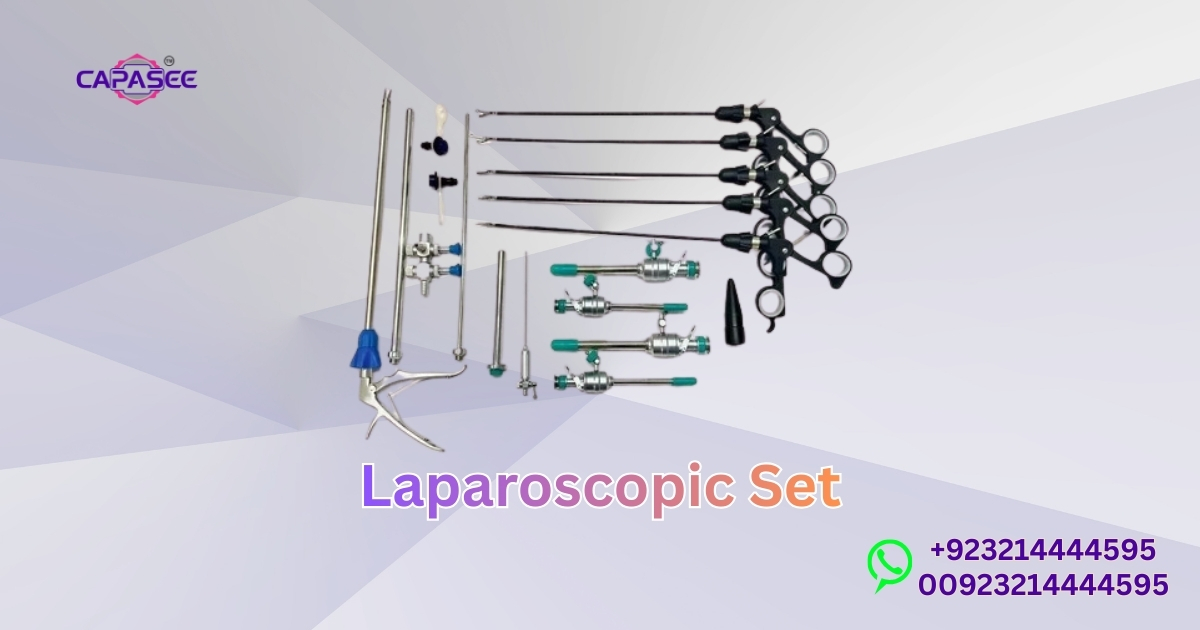
The laparoscopic surgery equipment set includes imaging systems, illumination equipment, gas management equipment, and surgical energy systems. Every component has a particular function in an operation.
| Equipment | Purpose and Function |
| Laparoscopic camera system | Captures internal images and displays them on a monitor. |
| Medical grade laparoscope | Provides optical access to internal surgical areas. |
| LED or xenon light source | Illuminates the operating field through a light cable. |
| Medical monitor | Displays live images for the surgical team. |
| Camera control unit | Processes camera signals and manages image settings. |
| Insufflator | Controls carbon dioxide flow and abdominal pressure. |
| Electrosurgical generator | Supplies electrical energy for cutting and coagulation. |
| Suction and irrigation system | Removes fluids and cleans the surgical area. |
The components all contribute to the overall laparoscopic procedure. A camera, for instance, takes photos; the light source shines on the inside of the body, and the monitor shows the surgical field.
The insufflator keeps the abdomen from becoming too full to operate and assists in cutting tissue and controlling bleeding, and electrosurgical equipment aids in cutting tissue and controlling bleeding. Irrigation and suction systems keep the operator’s view of the operation open.
For hospitals in Pakistan, the choice of equipment should take into account image quality, dependability, compatibility, maintenance, and availability of replacement parts. Capasee Electro Medical Engineering assists medical equipment purchasers in selecting appropriate operating theatre equipment for their installations.
Common Laparoscopic Instruments and Their Uses
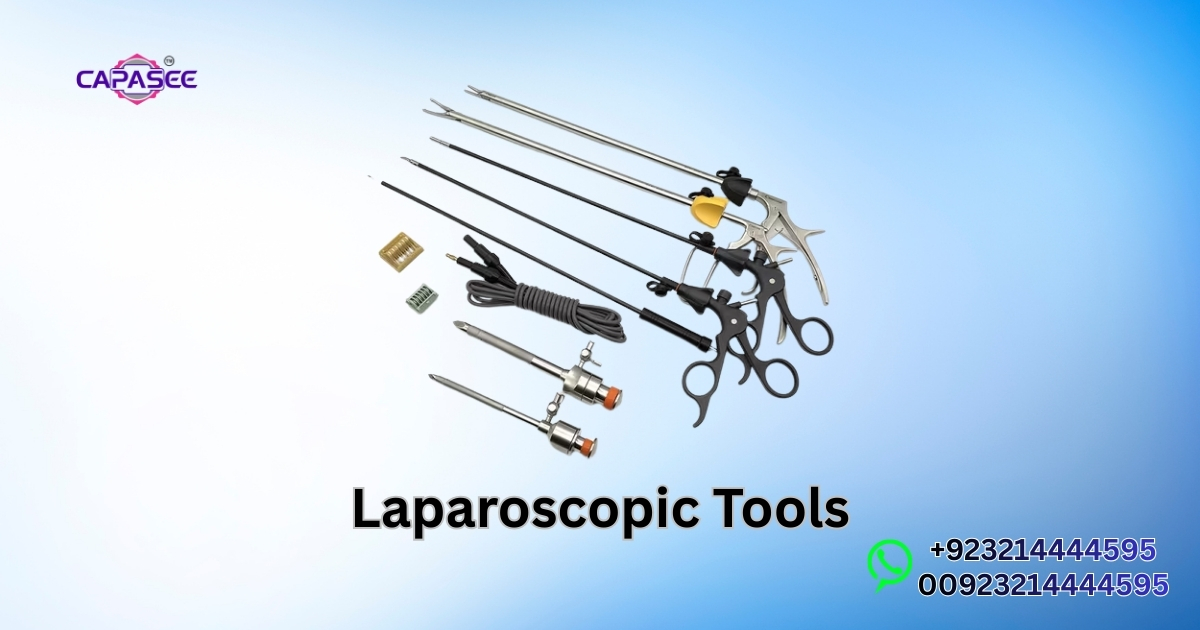
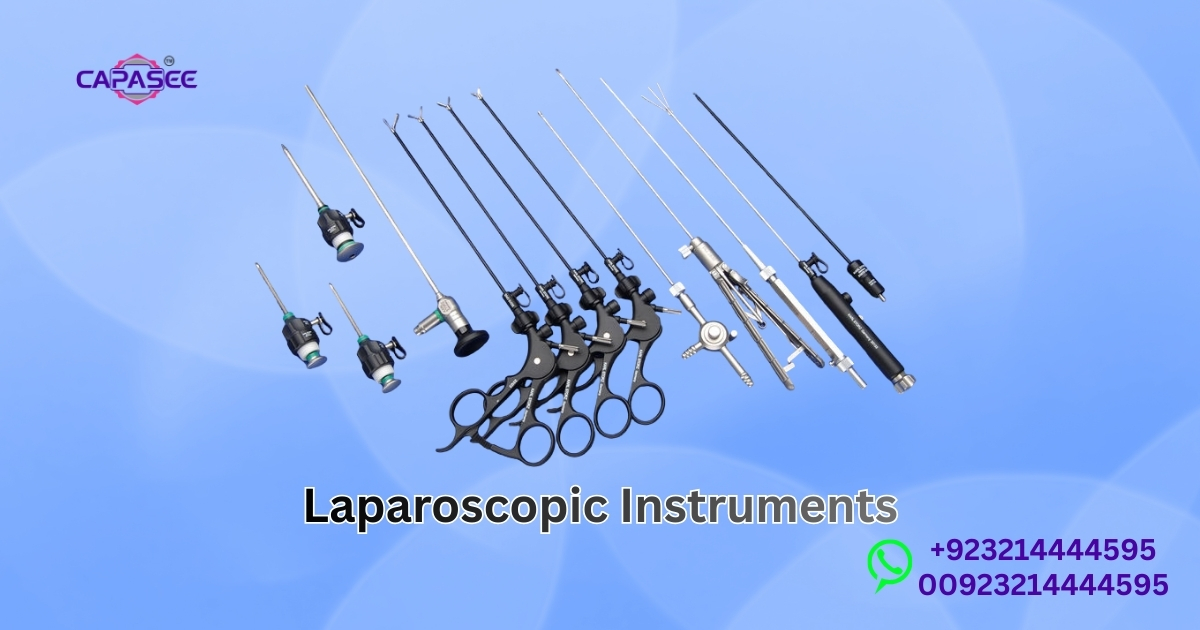
Surgeons use laparoscopic instruments to perform various surgical operations through a small incision in the abdomen. Their design promotes controlled movement, tissue handling, and dissection, among other critical functions.
| Instrument | Main Use |
| Trocars and cannulas | Create access points and provide pathways for instruments. |
| Grasping forceps | Hold, lift, and position tissues during surgery. |
| Laparoscopic scissors | Cut tissues and surgical materials. |
| Needle holders | Hold and guide needles during internal suturing. |
| Dissector instruments | Separate tissues and identify anatomical structures. |
| Clip applicators | Apply clips to vessels and ducts when appropriate. |
| Suction and irrigation instruments | Remove fluids and wash the surgical field. |
| Electrosurgical instruments | Cut tissue and control bleeding using electrical energy. |
| Veress needle | Establish initial abdominal access for gas insufflation when appropriate. |
The instruments used are dependent on the specific laparoscopic surgery and the surgeon’s needs. For instance, grasping forceps assist in positioning tissues, and clip applicators hold the blood vessels or ducts when they are selected.
Laparoscopic surgery uses electrosurgery instruments as well. They are coupled to compatible electrosurgical generators to provide controlled energy for cutting and coagulating.
When making a purchase of laparoscopic instruments, hospitals should look at the material, insulation, compatibility with the sterilization process, the design of the handle, and the size of the instruments. They should also check the compatibility of the electrosurgical generator, cables, handpieces, and laparoscopic accessories before buying.
With an experienced supplier, medical equipment buyers in Pakistan can navigate the hassle of equipment selection and technical evaluation. Capasee Electro Medical Engineering can help hospitals and clinics to determine the appropriate surgical equipment for their operating theatre needs.
What Are the Uses, Benefits and Risks of Laparoscopic Surgery?
Laparoscopic can be performed in the diagnosis and treatment of various diseases of the abdominal and pelvic organs. It is recommended by doctors when it is appropriate to use minimally invasive access.
Common Uses and Applications of Laparoscopic Surgery
Depending on the condition and treatment of the patient, laparoscopic procedures can be carried out in various medical specialties.
- General Surgery: Surgeons remove gallbladders (cholecystectomy), appendixes (appendectomy), and some hernias.
- Gynecology: These are typically used for the removal of ovarian cysts, treatment for endometriosis, and certain procedures in hysterectomy.
- Urology: Surgeons use laparoscopy for certain surgeries on the kidney, adrenal gland, and urinary tract.
- Gastrointestinal Surgery: Selected stomach, intestinal, and colorectal surgery procedures.
- Diagnostic Laparoscopy: When doctors want to assess an organ or structure in the abdomen or pelvis to help diagnose an illness that causes unexplained pain, has no known cause, or is suspected to be caused by an illness in the body.
The two types of laparoscopic procedures are shown below. Diagnostic laparoscopy provides information about medical problems, and therapeutic laparoscopy enables surgeons to treat medical conditions during the same procedure.
Benefits, Risks and Possible Complications of Laparoscopic Surgery
The primary advantages of laparoscopic surgery are smaller incisions, decreased tissue trauma, and possibly rapid recovery from the procedure as compared to open surgery. However, the results will vary based on the procedure and the patient’s health.
Benefits include:
- Smaller incisions and virtually unnoticeable surgical scars.
- Reduced pain after many surgeries.
- Minimized blood loss in appropriate surgical procedures.
- Faster hospital discharge for a larger number of patients.
- Improved return to usual activities.
- Decreased wound complications in some surgeries.
Despite all these benefits, there are risks associated with laparoscopic surgery that should be taken into consideration before treatment. Bleeding, infection, blood clots, and damage to adjacent organs and blood vessels are potential complications.
Other hazards include reactions to anesthetic and carbon dioxide insufflation complications. In certain instances, surgeons may have to switch to open surgery due to safety concerns.
The surgeon determines the risks based on the patient’s medical history, complexity of the surgery, and available equipment. When you select an experienced expert in laparoscopic surgery, it also helps you plan the treatment correctly.
Laparoscopic Surgery Recovery, Cost and Equipment Selection in Pakistan

Before undergoing laparoscopic surgery, patients and hospitals need to take into account the best medical results, the cost of treatment, and equipment quality. These factors can affect both the surgical planning and overall success.
Laparoscopic Surgery Recovery and Postoperative Care
The time required for recovery from laparoscopic surgery will vary depending on the surgical procedure, overall health of the patient, and other complications. After being put under anaesthetic, most patients experience a recovery period in a hospital, where they are monitored.
Hospital discharge requires pain relief, mobility, the ability to eat and drink, and no worrying complications. In some cases, patients can be discharged on the same day, but in other cases they may need to stay overnight for observation.
After surgery, the patient may experience mild abdominal discomfort, bloating, shoulder tip pain, and fatigue. These symptoms can be caused by surgical handling and CO₂ used in insufflation.
It is important for patients to follow their surgeon’s orders for wound care, dressings, and hygiene. They should also slowly begin to eat, drink, walk, and perform activities of daily living as recommended.
Depending on the operation, temporary restrictions may be necessary following heavy lifting and strenuous exercise. The follow up visits enable the doctor to check how the wound is healing and for any complications that could arise after the surgery.
If patients have persistent fever, increased abdominal pain, heavy bleeding, discharge from the wounds, or difficulty breathing, they should seek medical care. Always read instructions for recovery from the surgeon’s team that performed the surgery.
Check & Buy: Our Products
Laparoscopic Procedure Cost and Buying Considerations in Pakistan
A. Laparoscopic Procedure Cost in Pakistan
The total cost of the laparoscopic procedure depends on the procedure to be done, the hospital, and the medical requirements of the patient in Pakistan. Different price structures may be in place at private hospitals and public healthcare facilities.
The overall cost of treatment depends on a variety of factors, such as:
- Type of Operation: There are various types of operations, such as gallbladder removal, hernia repair, and complex abdominal procedures, and these require different surgical requirements.
- Hospital and City: The rates for hospitals and cities could vary, including Lahore, Karachi, Islamabad, etc.
- Surgeon’s Fees: The experience and difficulty of the procedure affect the professional charges.
- Anesthesia: The cost of anesthesia services and monitoring is also part of the overall cost.
- Equipment and Consumables: Treatment cost is impacted by disposable instruments, surgical accessories, and special equipment.
- Hospital Stay: Expenses include room charges, nursing care, diagnostic tests, and follow up appointments.
Patients should ask a hospital for a detailed quote before undergoing surgery to ensure they have a breakdown of costs. A confirmed quotation provides clarity on the package’s contents, including services and consumables.
B. Laparoscopic Equipment Purchasing Considerations for Hospitals and Clinics
The technical performance, compatibility, reliability, and long term maintenance of laparoscopic surgery equipment should be taken into consideration before acquisition by hospitals.
| Buying Factor | What Hospitals Should Check |
| Camera Resolution | Image clarity and visualization quality. |
| Light Source | Consistent illumination and compatibility with the laparoscope. |
| Insufflator | Adjustable pressure, gas flow, and safety alarms. |
| Instrument Compatibility | Connections and compatibility with existing systems. |
| Sterilization | Manufacturer approved cleaning and sterilization methods. |
| Spare Parts | Availability of replacement components and accessories. |
| Warranty | Written warranty coverage and service conditions. |
| Technical Support | Installation, training, maintenance, and troubleshooting. |
Other factors, such as system compatibility, training requirements, operating costs, and availability of specialists, should also be taken into account when hospitals are considering robotic laparoscopic surgery. The cost of robotic technology is a little higher than conventional laparoscopic systems.
Capasee Electro Medical Engineering offers medical equipment solutions for hospitals, clinics, and healthcare institutes in Pakistan. Prior to purchasing, buyers may choose to discuss their operating theatre equipment needs, compatibility requirements, installation requirements, and after sales technical support.
Read about electrosurgical generators, surgical instruments, and operating theatre equipment in the internal resources for related information. Please ask the treating surgeon and other reliable sources, like the NHS guide to laparoscopy, for guidance in relation to the patient.
FAQ’s
What is laparoscopic surgery used for?
Laparoscopic surgery is used to diagnose and treat a variety of conditions, including gallstones, appendicitis, hernia, ovarian cysts, and selected abdominal diseases.
Is laparoscopic a major surgery?
Yes, depending on the procedure, organs to be treated, and complexity of treatment, laparoscopic surgery can be major surgery.
How painful is laparoscopic surgery?
The post surgery discomfort is mild or moderate, with most patients facing only brief shoulder pain after laparoscopic surgery.
Why would a woman need a laparoscopy?
Laparoscopy may be performed on women who have been unable to conceive or have problems with their uterus or fallopian tubes (salpingo oophoritis) to help diagnose or treat some of these conditions.
What is Laparoscopy?
Laparoscopy is a technique which involves examining and treating the internal organs using a small camera and special instruments, known as laparoscopy.
What questions to ask before a laparoscopy?
Inquire about surgical risks, anesthesia, recovery time, treatment options, hospital stay, costs, and your surgeon’s experience.
What is laparoscopy used for?
Laparoscopy is performed for the diagnosis and surgery of abdominal and pelvic organs.
Why 4 holes for laparoscopic surgery?
Four incisions can be used for the camera and instruments, depending on the operation and the surgeon’s skills.
What are the two types of laparoscopy?
The two main types are diagnostic laparoscopy and operative laparoscopy, used to treat medical conditions.
Final Thoughts
This less invasive laparoscopic surgery is a boon to modern surgery, as it makes it possible for doctors to carry out many procedures via smaller incisions. It requires the right patient, an experienced surgeon, the appropriate equipment, and appropriate post surgical care to be successful.
The key point of consideration for hospital planners is to consider the availability of the best laparoscopic equipment, instruments, imaging systems and technical support. Capasee Electro Medical Engineering offers medical equipment solutions, assisting healthcare facilities in determining appropriate medical equipment for their clinical needs. To see what surgical equipment is available, talk about your needs, or to obtain a quotation for your facility, please contact Capasee.