What Are The Two Types Of Cautery

You’re not the only one who has ever pondered cautery treatments and how they operate. This is one of those subjects that might make you scratch your head, especially when you have to deal with medical jargon and processes that are hard to understand. It might be hard to locate credible, easy to understand information, whether you’re doing it for a personal reason or just out of curiosity.
We’ll explain the two types of cautery in plain English in this blog post. We’ll tell you what each type accomplishes, how to utilize them, and why they are important. By the end, you’ll know exactly what cautery is and be able to make better choices. No more misunderstanding, just the facts you need.
What Are The Two Types Of Cautery Explained by Capasee Electro Medical Engineering
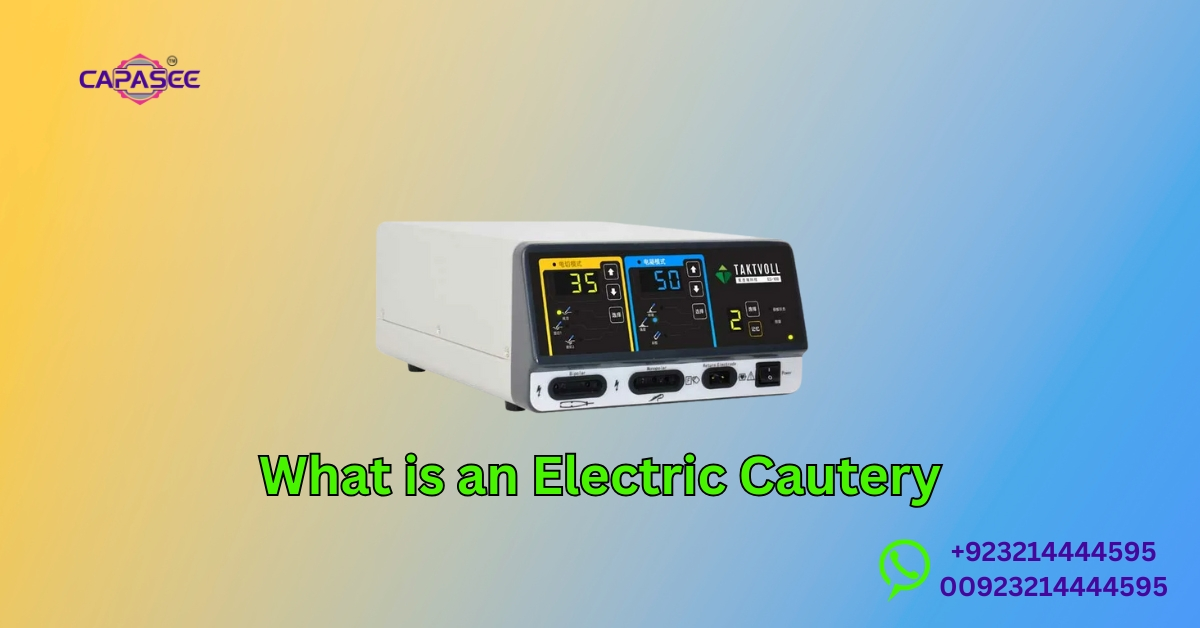
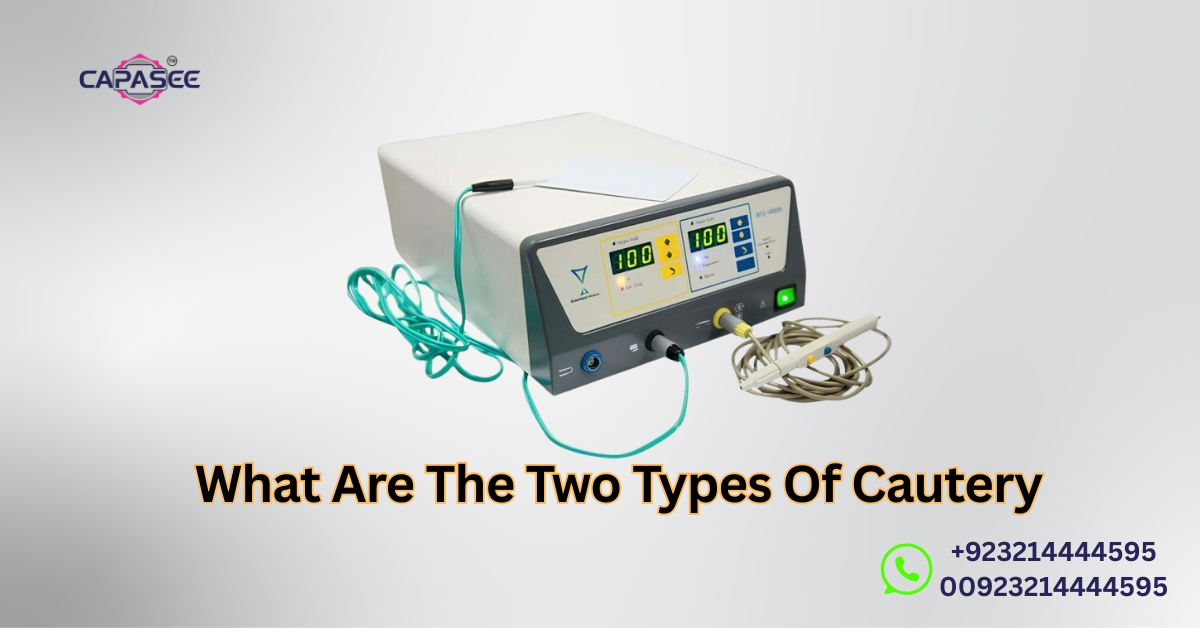
Cautery in surgery takes two principal forms, electrocautery and chemical cautery. These are the primary types of cautery used in modern medical procedures. Electrocautery involves the use of heat to burn tissue, whereas chemical cautery involves the use of some chemicals to kill tissue. These two methods are highly essential in medical cauterization procedures as they assist in preventing bleeding, sealing of blood vessels, and enhancing tissue cauterization. Surgeons are very keen on the selection of the most appropriate approach to use in the procedure and the issue being dealt with since each approach has its advantages.
Electrocautery is usually utilized in hemostatic procedures and vascular closure in surgeries. It operates by passing electricity via a bipolar or monopolar cautery, which produces heat. Chemical cautery, conversely, is applied to less invasive surgery, when a chemical substance, e.g., Silver nitrate, is applied to the tissue. This form, as one of the types of cautery, is typically the most appropriate procedure in the healing of wounds or managing bleeding during surgery. The two are used to prevent bleeding during the operation and aid the body in recovery.
Exploring Electrocautery vs Chemical Cautery: Key Differences & Benefits
Electrocautery employs electricity to create heat, which slices or clots tissues. This technique is perfect for surgeries that need to remove tissue with precision and seal blood vessels. Chemical cautery, on the other hand, uses chemicals to get similar results, usually by putting a cauterizing substance directly on the tissue that is damaged. In electrosurgery, thermal cautery is speedier and more effective. Chemical cautery, on the other hand, operates more slowly but is better for procedures that aren’t as intrusive. These two major types of cautery have specific roles in surgical medicine.
There are pros and cons to each strategy. Electrocautery allows for very precise surgery with little injury to nearby tissues. It is extremely flexible, with a lot of different cautery tools available for different types of surgery. Chemical cautery, on the other hand, is easier and cheaper, especially for short treatments. The decision between these two tools for cauterization depends on things like where the surgery will be done, how accurate it needs to be, and the patient’s health.
How Capasee Electro Medical Engineering Cautery Machines Enhance Surgical Precision
Capasee Electro Medical Engineering makes the most advanced cautery equipment that lets medical engineers regulate types of cautery applications with great precision. Surgeons may do procedures with more precision using advanced electrosurgery tools, which means they don’t damage as much of the surrounding tissue. Capasee surgical cautery tools come with both bipolar and monopolar cautery options, so surgeons can pick the optimum one for the job.
Capasee cauterization tools are made to make surgery safer and more efficient. They have built in features that keep them from getting too hot and make sure that tissue is always cauterized the same way. Their equipment uses thermal cautery, one of the essential types of cautery, to effectively control blood flow and seal wounds, which leads to better surgical blood control methods and faster recovery times for patients. Capasee raises the quality of care in medical cautery operations by using this high tech equipment.
Surgical Cautery Types and Their Uses by Capasee
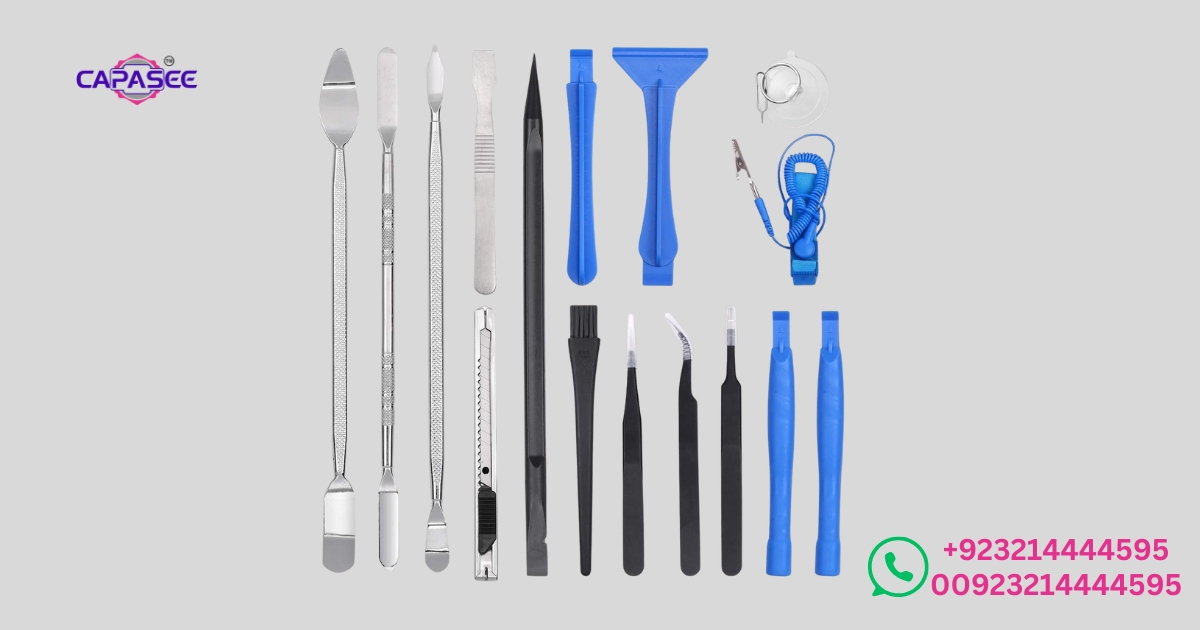
There are many types of cautery used in medicine, such as chemical, thermal, and electrocautery. These tools for cauterization are very important for stopping bleeding, removing tissue, and helping wounds heal. Surgeons choose the appropriate surgical cautery method based on the demands of the patient and the procedure. Electrocautery creates heat by using an electrical current. This is good for cutting tissue exactly and closing blood vessels. Chemical cautery, on the other hand, uses chemicals like silver nitrate on tissue. This is typically used for less invasive operations like getting rid of warts.
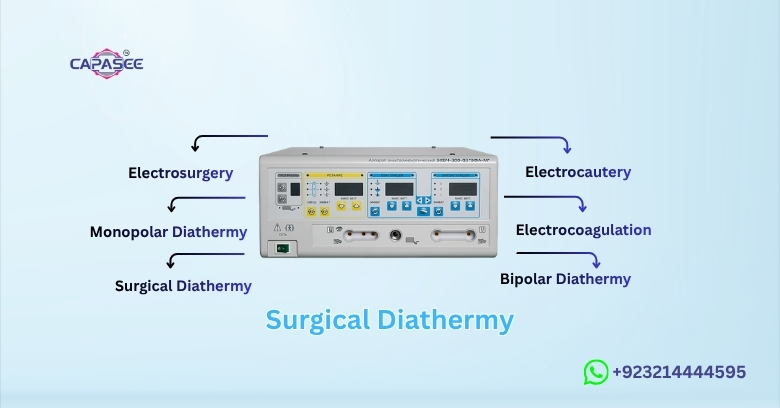
Different types of cauterization are very important in medical electrosurgery because they provide effective ways to stop bleeding. Surgeons use these cautery tools to halt bleeding, get rid of tumors, and even cure wounds. Monopolar cautery is better for broader areas, while bipolar cautery is better for delicate procedures. Both are employed in surgical blood control and tissue cauterization. Newer, better types of cautery devices make surgeries safer by making them more effective and less invasive for patients.
Laser Cautery, Radiofrequency Cautery, and Thermal Cautery Methods Demystified
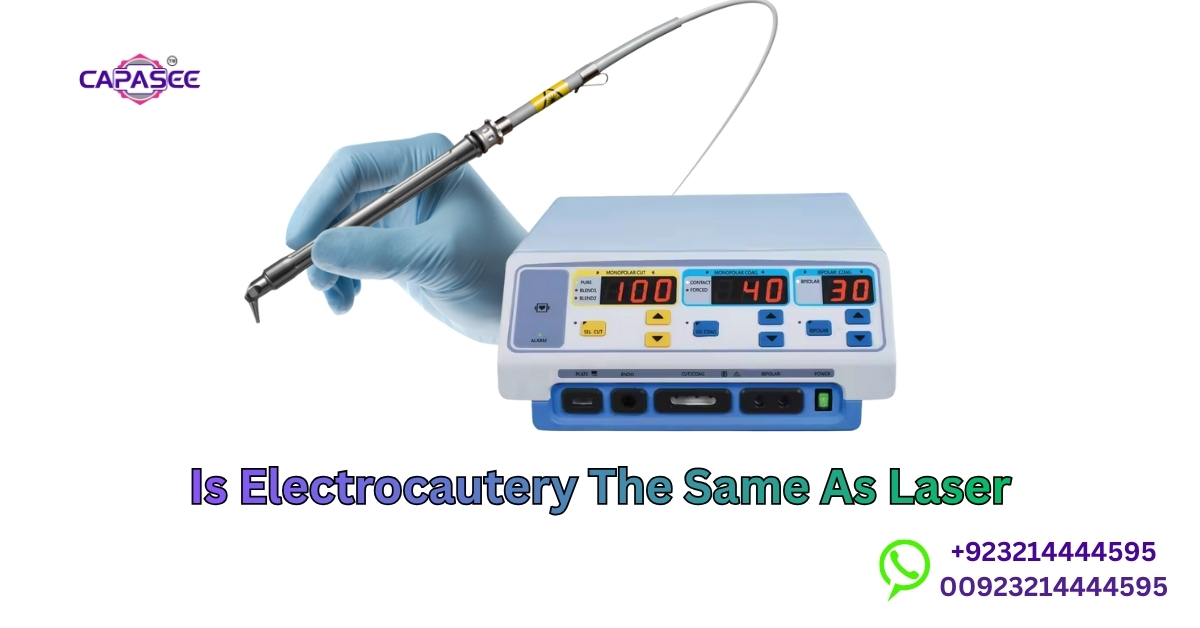
Laser cautery, radiofrequency cautery, and thermal cautery are all advanced types of cautery instruments. Laser cautery uses a focused beam of light to precisely melt tissue, which protects the surrounding areas from injury. Radiofrequency cautery cuts or coagulates tissues with high frequency electrical currents. It works in a different way than electrocautery, although it has the same benefits. Thermal cautery uses heat to seal blood vessels and remove tissue. There are many ways to do this, such as electrosurgery. A lot of surgeries use these types of cautery approaches because they can quickly and safely cauterize.
Each of these methods has its own pros and cons, depending on the medical problem being treated. Laser cautery is great for making accurate cuts in sensitive locations, while radiofrequency cautery can be used on both soft and hard tissues. Thermal cautery is typically used for bigger surgeries and is a good way to control bleeding during surgery. These cautery uses in medical engineering keep becoming better, which makes surgery faster and safer.
You May Also Read This Blog: How Long Does Cautery Heal
Top Uses of Cautery Machines: From Stopping Bleeding to Removing Warts
Cautery machines are highly significant in many medical cautery operations. One of the most common applications is in the process of stopping bleeding in the operating room and it is also highly significant in ensuring the patient is safe. Other forms of cautery being used are also monopolar and bipolar cautery, with the monopolar being often used in large tissue removal and the bipolar type being used in more complicated procedures to avoid the risk of thermal damage. Cautery is also significant in closing blood vessels when performing surgical operations, such as heart or vascular surgery, because it is crucial to ensure that bleeding is stopped. Chemical cautery may be used by people in order to remove warts and other skin issues.
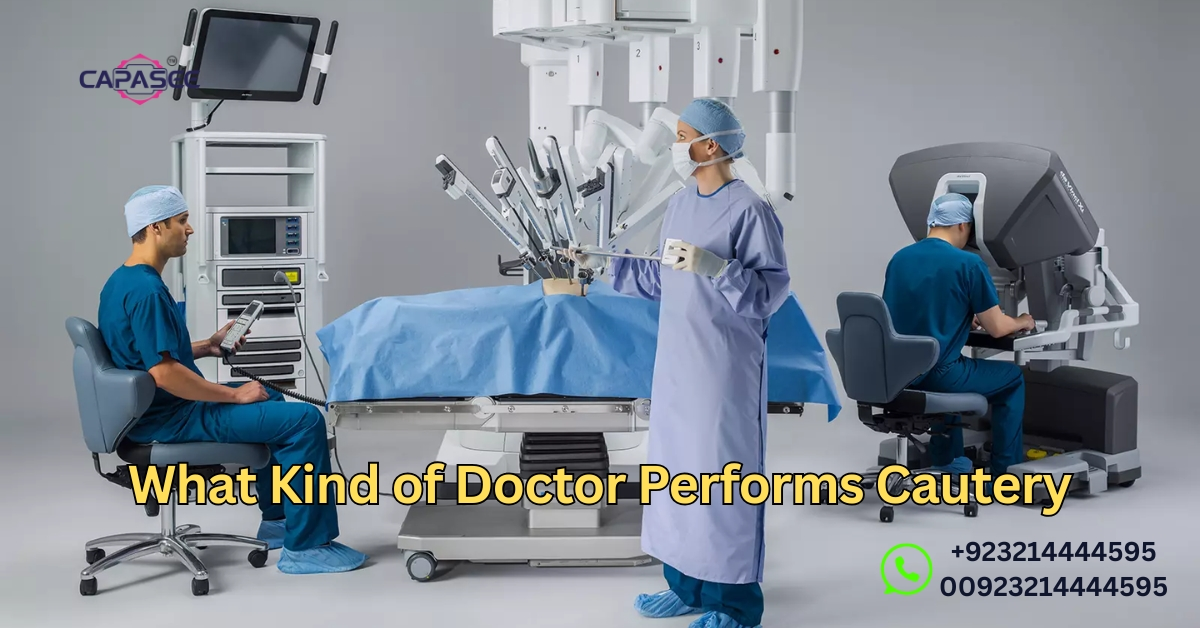
Cauterization is also applicable in curing other issues, such as in preventing excessive bleeding during a dental operation, removal of tumors and even on precancerous cells. Two significant types of cautery, which include thermal cautery and electrocautery, are employed in both small and large surgeries. These are done to enhance the coagulation of tissues and healing of the wounds and thus, make surgical hemostatic treatment better. By employing advanced cauterization devices, medical workers will be able to reduce recovery time and minimize the chances of complications during surgery.
Why Choose Capasee for Advanced Cautery Solutions: Expertise in Electrocautery and Chemical Cautery
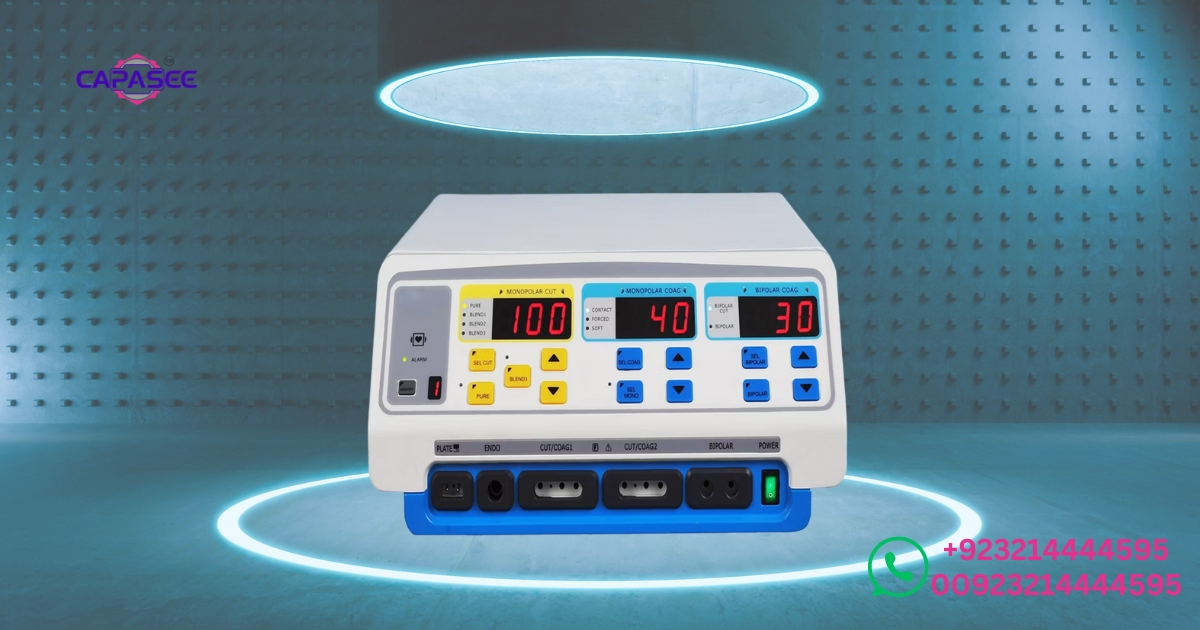
Capasee makes a lot of different cautery tools for surgical cautery methods that meet the needs of many different types of medical professionals. Capasee is an expert in electrocautery and chemical cautery, offering solutions that cover the main types of cautery used in modern medicine. Electrocautery is a common way to cauterize tissue. It gives surgeons great control when they are using blood control techniques and sealing blood vessels. Capasee bipolar and monopolar cautery tools let surgeons choose the best instrument for their needs, whether they need to cut, coagulate, or remove tissue.
Capasee cauterization instruments use the most advanced thermal cautery and medical electrosurgery technologies to improve the results of surgery. In medical engineering, the improved electrocautery devices are great for a wide range of cautery uses. Chemical cautery, on the other hand, is best for operations that don’t require a lot of cutting, including getting rid of warts or treating skin blemishes. These two types of cautery work to lower the risk of problems after surgery, which means that patients will heal faster. Capasee has solutions that work for both thermal and chemical cautery applications, whether they are used in surgery or to cauterize tissue.
Read More: Our Products
How Cautery Works in Surgery: Advantages and Applications of Capasee Technology
Cautery uses heat or chemicals to kill or seal tissue during surgery. Electrocautery uses electricity to heat a tool that slices or cauterizes tissue. Monopolar cautery uses one electrode to make heat, but bipolar cautery uses two electrodes to make the tissue more precise. These are essential types of cautery that are very important for controlling blood flow during surgery because they can stop bleeding and seal blood vessels very well. Capasee technology makes things more accurate, which is important for protecting nearby tissues during cautery procedures.
The benefits of cauterization treatments are clear. They speed up recovery, leave little or no scars, and help wounds heal better. Surgeons can better regulate the surgical process by using thermal or chemical cautery, which are among the most effective types of cautery, to control tissue damage. Capasee cauterization tools make these approaches work better, so surgeons may always use the proper one for the job. Capasee makes sure that doctors have the greatest instruments for successful surgeries, from surgical hemostatic procedures to cautery for sealing blood vessels.
Specialized Chemical Cautery for Skin Lesions and Electrocautery in Dermatological Procedures
Dermatologists utilize chemical cautery a lot to get rid of skin growths, including warts, moles, and other bumps. In this approach, a chemical substance like silver nitrate is used to burn the tissue and make it fall out. It works well for less invasive techniques and is widely used to repair wounds and burn tissue. Electrocautery, on the other hand, is used for skin procedures that need to be very precise, such as getting rid of skin malignancies or aberrant tissue growths. These two types of cautery allow for precise control so that healthy tissue is not damaged.
Dermatologists can use Capasee electrocautery and chemical cautery tools in many different ways. Chemical cautery is better for removing surface lesions, while electrocautery is better for removing deeper tissue. Both types of cautery aid with cautery during surgery, making sure that treatments work and lowering the chance of problems. Capasee lets doctors give their patients the finest care possible by employing this specific cauterization equipment. These tools also assist doctors in keeping high standards of safety and accuracy.
Frequently Asked Questions
What are the different types of cautery?
Electrocautery, chemical cautery, and thermal cautery are the three basic forms of cautery.
What is the difference between monopolar and bipolar currents?
One electrode is used for heat in monopolar current, while two electrodes are used in bipolar current for better control.
What is the difference between bipolar and monopolar cautery?
Monopolar cautery employs one electrode and needs a grounding pad, while bipolar cautery uses two electrodes to treat tissue more precisely.
What is the difference between blend and pure cautery?
Pure cautery cuts with full power, while blend cautery mixes cutting with coagulating to protect tissue.
What is the other name for cautery?
Electrosurgery or electrocautery are other names for cautery.
Final Thoughts
Understanding that there are two types of cautery, electrocautery and chemical cautery. Each has its own uses and benefits. Electrocautery employs heat from electrical currents to remove tissue very precisely, while chemical cautery uses chemicals to treat surface lesions. Both methods are very important in medicine since they help stop bleeding, get rid of tissue, and speed up recovery. Surgeons can choose the optimal procedure when they know the two types of cautery. This makes treatments safer and more effective for patients.