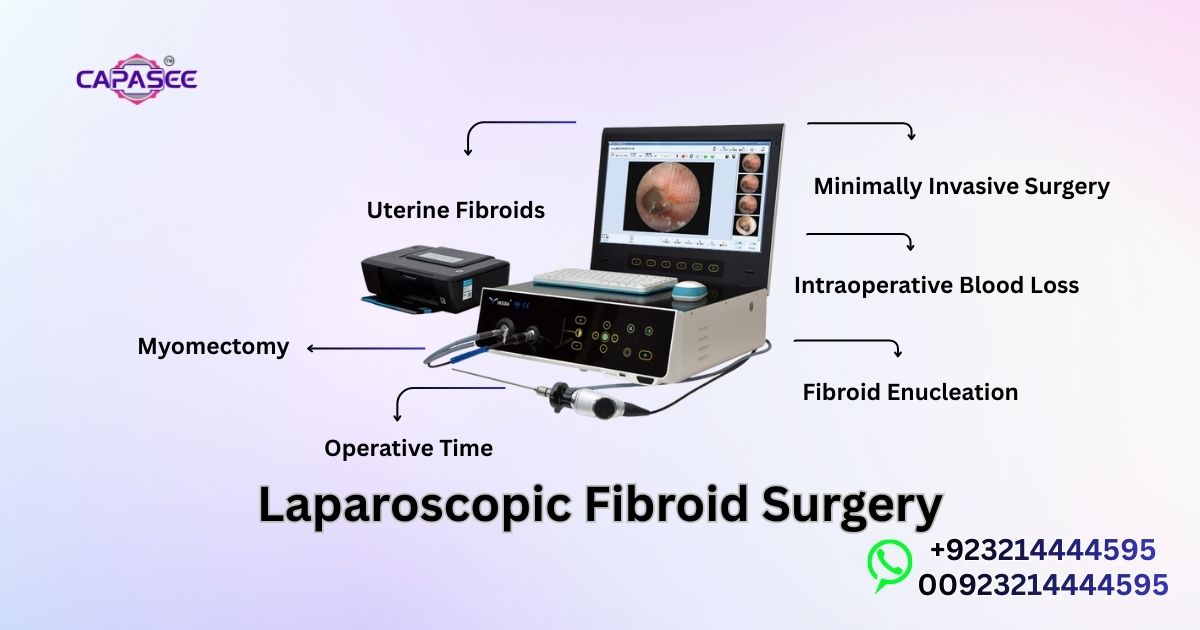
Laparoscopic Myomectomy

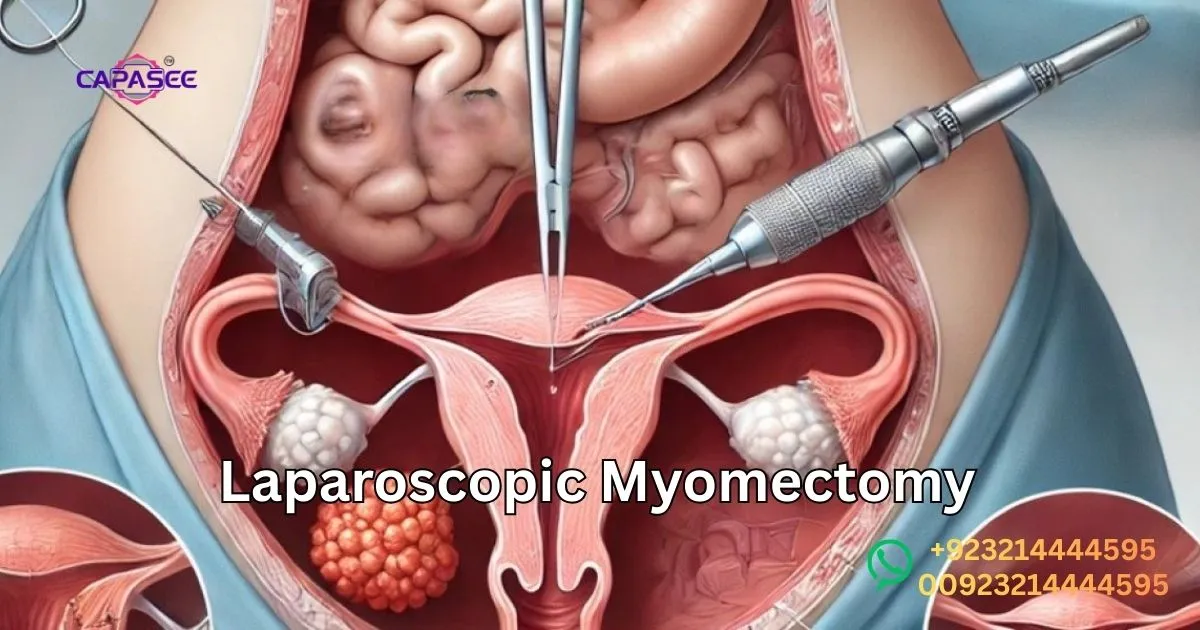
You are not alone in case you have been experiencing the pain or hassle brought about by fibroids. It is the same thing with many women, as they question whether there is a means of improving their living conditions without necessarily undergoing the stress of undergoing major surgery. The thought of surgery may be daunting, particularly in a time when you desire the least invasive procedure that would still achieve actual results.
We are taking a plunge into laparoscopic myomectomy, which may alter how you treat fibroids. We will discuss how it operates, the advantages, and why it may be the answer you are seeking. You may be just thinking about it or you may be already on the surgery path, but this guide will provide you with the information that you need to make your own decision and be sure about your choices.
What Is Laparoscopic Myomectomy?
Surgical intervention, Laparoscopic myomectomy, involves the removal of uterine fibroids. These fibroids are benign tumors that are capable of producing pain and other symptoms. The surgery involves the use of tiny holes and a camera to direct the surgeon.
This is due to the many benefits of this minimally invasive surgery, which include a quicker healing process, less blood loss, and less space on the scalpel. It is commonly preferred since it does not destroy the uterus, as is the case with other methods, which are essential to women who need to preserve their fertility.
Minimally Invasive Fibroid Surgery Basics
Fibroidectomy through minimally invasive surgery involves the use of small incisions, thus less risky than conventional surgeries. In laparoscopic myectomy, fibroids are excised using small incisions in the abdomen.
The precision is guaranteed through the use of hi tech instruments, such as the laparoscopic enucleation of myoma procedure. This procedure causes quicker recovery and pain alleviation post surgery, thereby enabling the patient to return to usual routines sooner.
Capasee Tools for Precision Myomectomy
We implement the current laparoscopic benefits, such as high definition cameras and special equipment, in performing myomectomy at Capasee. These assist the surgeon to have a better view of the interior of the body and eliminate fibroids more efficiently.
The accuracy of the tools provided by Capasee minimizes the complications and guarantees improved patient outcomes in surgery. This high tech method simplifies this procedure and makes the patients believe in their choice to have this procedure.
You May Also Read This Blog: Laparoscopic Hysterectomy
Laparoscopic vs Open Myomectomy
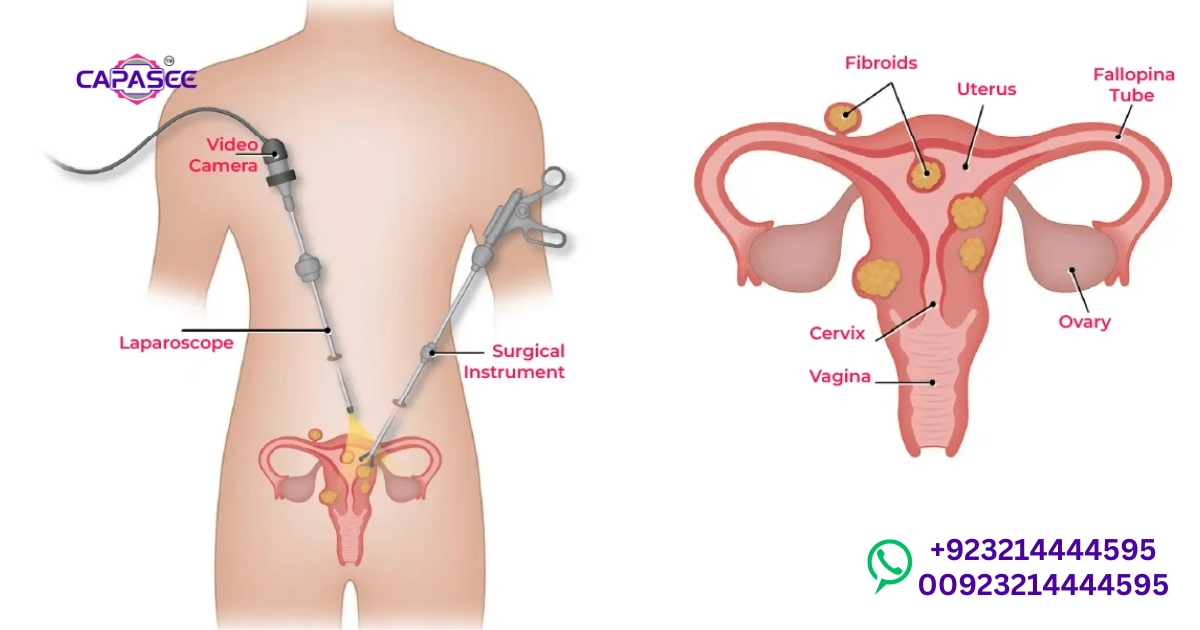
Laparoscopic myomectomy is a novel, traumatizing surgery that removes uterine fibroids. Laparoscopic surgery has fewer incisions, produces less blood loss, and faster recovery than an open myomectomy. It is due to this that it is a favorite amongst most patients.
Open myomectomy, on the other hand, demands a bigger incision and a prolonged recovery period. Larger fibroids, or some medical conditions, may require it. The decision between the two is based on such factors as the size and the location of the fibroid, along with the general health of the patient.
Key Differences and Benefits
In the comparison of laparoscopic myomectomy with the use of traditional open surgery, the main difference is the size. Laparoscopy surgery involves small incisions, thus resulting in less pain and quicker recovery.
The other advantage of laparoscopic surgery is that it is a minimally invasive operation. This helps to decrease the chances of preventing adhesion and post surgery complications such as infections or excessive bleeding.
Why Choose Laparoscopic at Capasee?
The advantage of laparoscopic myomectomy at Capasee is the use of modern technology and experienced surgeons. This implies the saving of blood, reduced operation time, and faster recovery to normal life.
We are concerned with patient comfort and pain reduction at Capasee. We will deliver our services in a manner that promises women the most favorable experience throughout and after surgery, with fertility preservation at the back of our minds.
Recovery Time After Laparoscopic Myomectomy
The rate of recovery following laparoscopic myomectomy is much faster than that of open surgery. Patients are back to normal activities in 1 to 2 weeks with low levels of pain. The reason is that in the case of minimally invasive myomectomy, there is reduced body trauma.
Laparoscopic removal of fibroid tumors is usually associated with a lower rate of discomfort and fewer complications in comparison to the general recovery after surgery. Patients recover faster and are not forced to stay a long time in the hospital.
Fast Healing Timeline
The shortened recovery period is one of the greatest benefits of laparoscopic myomectomy. Contrary to conventional surgery, patients can, in most cases, walk out the same day or after a few hospital stays.
Recovery occurs sooner, and most of the women resume normal functions in 1 to 2 weeks. The reason is that laparoscopic surgery inflicts less trauma on the body, thus causing minimal complications in the healing process.
Tips for Quicker Recovery
Laparoscopic surgery that involves the removal of fibroids can be followed by post surgery care provisions that can hasten healing after surgery. Hydration, to avoid heavy lifting, and taking prescribed medications will decrease pain and edema.
Another way of benefiting the patients is through gentle exercise to enhance circulation and accelerate recovery. It is also essential to keep a check on any indications of complications, such as infection or unusual pain, in order to have a successful recovery process.
Summary of Key Benefits
| Benefit | Laparoscopic Myomectomy | Open Myomectomy |
| Recovery Time | Shorter (1-2 weeks) | Longer (6-8 weeks) |
| Hospital Stay | 1-2 days | 4-7 days |
| Scarring | Smaller, minimal | Larger cuts |
| Blood Loss | Less | More |
| Pain Post-Op | Reduced | Higher |
Risks and Complications of Laparoscopic Myomectomy
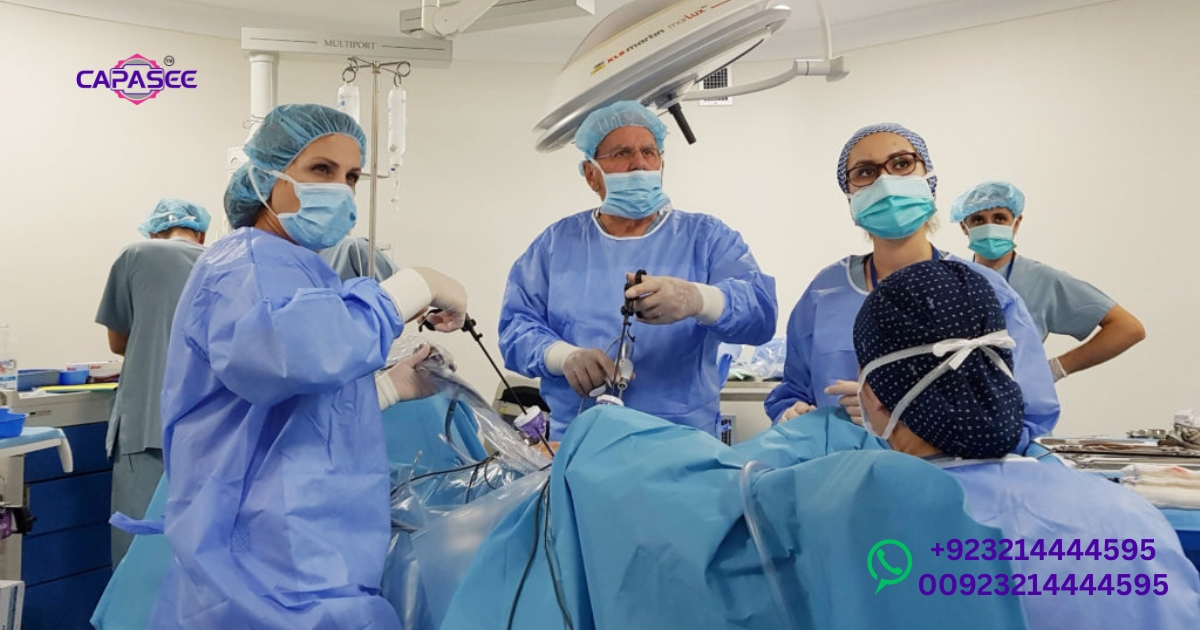
Despite the numerous benefits of laparoscopic myomectomy, including minimal invasive surgery, a few risks and complications are to be considered. These are infection, recurrence of fibroid that happens after laparoscopic myomectomy, and bleeding. These risks are minimized by the use of high level techniques.
Among the frequent problems is the loss of pain following the operation, but that is by far less intense than the conventional procedures. There are also some uncommon complications like morcellation safety, laparoscopic problems or injuries to the surrounding organs, though this is rare when good care is taken.
Common Laparoscopic Myomectomy Complications
The laparoscopic myomectomy has some complications, such as adhesion prevention problems that may affect fertility. It could also possess risks connected to anesthesia, blood clots or slow healing. Minimally invasive myomectomy is, however, constructed in order to curb such risks.
The security of a single site and multiple ports is of vital importance. The single port method has fewer scars, but may have problems with gaining access to the uterus. Nevertheless, the risks are minimal when the surgical skills are good.
Single Port Technique Safety
The single port method has the benefit of a decreased number of incisions, which decreases recovery time and improves cosmetic outcomes. It may be a safe choice among most women; however, it demands a lot of skill from the surgeon to be safe.
Single port myomectomy assists in reducing scarring and decreasing the aparoscopic time of postoperative recovery time. Nonetheless, as with any surgery, risks are always present; it could harm the organs, albeit with experienced surgeons, but these are rare.
Check More & Purchase: Our Products
Cost in Pakistan and Pregnancy Outcomes
Laparoscopic myomectomy is a cost effective laparoscopic surgery in women with a need to have a fibroid removed through laparoscopy surgery. It is cheaper than in most Western nations and hence more affordable to a large number of people.
Many women have improved fertility following laparoscopic uterine fibroid surgery. This surgery is the least invasive form of myomectomy, which allows preservation of the uterus, and there is an increased likelihood of successful pregnancy and reproductive health in the long term.
Laparoscopic Myomectomy Cost in Pakistan
The laparoscopic myomectomy cost in Pakistan differs in relation to the hospital and the surgeon. It is usually cheaper than in most countries of the Western world as it provides an affordable alternative to women in need of an operation of uterus fibroid laparoscopy.
The cost depends on such aspects as hospitalization, the experience of surgeons, and the nature of the equipment. Laparoscopic enucleation of myoma operations in Pakistan are done at high quality standards, although the prices of these types of surgeries are lower.
Boosted Pregnancy Success Rates
Many women undergo a laparoscopic myomectomy, which results in a considerable increase in fertility. The rates of pregnancy success are also higher because of the procedure, which ensures that the uterus is not damaged and scarring is minimal, which can affect future pregnancies.
The laparoscopy method of preserving the uterus is used to remove the fibroids without sacrificing the fertility of the woman’s fertility. This is because studies indicate that laparoscopic myomectomy has advantages such as increased chances of pregnancy, particularly when conducted by proficient surgeons who are experienced with fertility related operations.
Why Capasee Electro Medical Engineering?
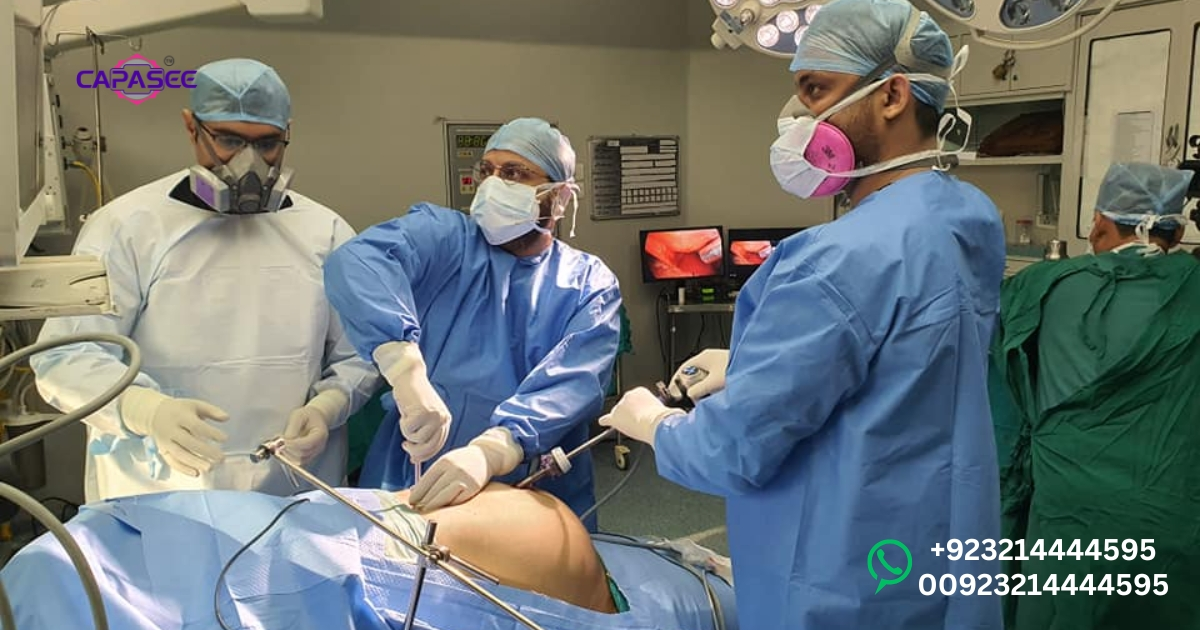
Capasee Electro Medical Engineering is one of the companies that has been a leader in supplying sophisticated equipment for laparoscopic myomectomy. They have high quality equipment that makes them precise when removing fibroids laparoscopically, and this factor increases their surgical outcome.
Capasee is trusted by surgeons for its safety in morcellation, laparoscopy, and uterus preserving laparoscopy. Their technology enhances the safety and efficacy of surgery, hence faster recovery and reduced complications.
Cutting Edge Laparoscopic Equipment
Capasee Electro Medical Engineering is reputed for the supply of advanced laparoscopic equipment to improve surgery. They have precise tools, such that there are few complications in the laparoscopic procedures of removing the fibroids.
Myomectomy can be carried out more easily with less blood loss and simple surgical time due to the advanced technology available at Capasee. This results in quick healing of the patients, thus a reliable option for many.
Trusted Partner for Pakistani Surgeons
Most Pakistani surgeons have a good relationship with Capasee, and it provides quality equipment and training. Their products are made to suit the requirements of contemporary surgical practice, and they are reliable and safe for the patients undergoing the uterine fibroids surgery.
In Pakistan, all the surgeons have faith in Capasee due to its safety in morcellation and its capacity to supply high performing equipment. Pakistani surgeons, with the assistance of Capasee, can offer high quality care with minimal invasive operations that enhance patient outcomes with minimally invasive procedures that improve patient outcomes.
FAQ’s
How long does it take to heal from a laparoscopic myomectomy?
The recovery process normally lasts 1 to 2 weeks, and the majority of patients should return to their routine in the near future.
What size fibroids are considered for laparoscopic myomectomy?
Depending on the location, laparoscopic procedures can be used to remove fibroids up to 10 cm in size.
What are the disadvantages of laparoscopic myomectomy?
Although it is the least invasive, it might not work well with extremely large fibroids, and there is also a possibility of the recurrence of fibroids.
Is laparoscopic myomectomy better than open myomectomy?
The Laparoscopic myomectomy has been found to have shorter recovery, reduced pain, and smaller scars than the open surgery, thereby being popular among many.
How many hours is a laparoscopic myomectomy?
Depending on the complexity of the laparoscopic procedure, it can take approximately 1 to 3 hours to complete.
Conclusion
Laparoscopic myomectomy is a very efficient and minimally invasive practice that can be used to excise uterine fibroids. Having numerous benefits, among which are faster healing, less pain, and smaller scars, it has major benefits over conventional open surgery. It is a way of saving the uterus, which enhances fertility rates, as well as minimizing the risks of complications. Laparoscopic myomectomy is now a safe, effective, and less traumatic solution for women with fibroids. A good surgeon should always be consulted to know whether it is the right one to take, depending on your individual conditions.