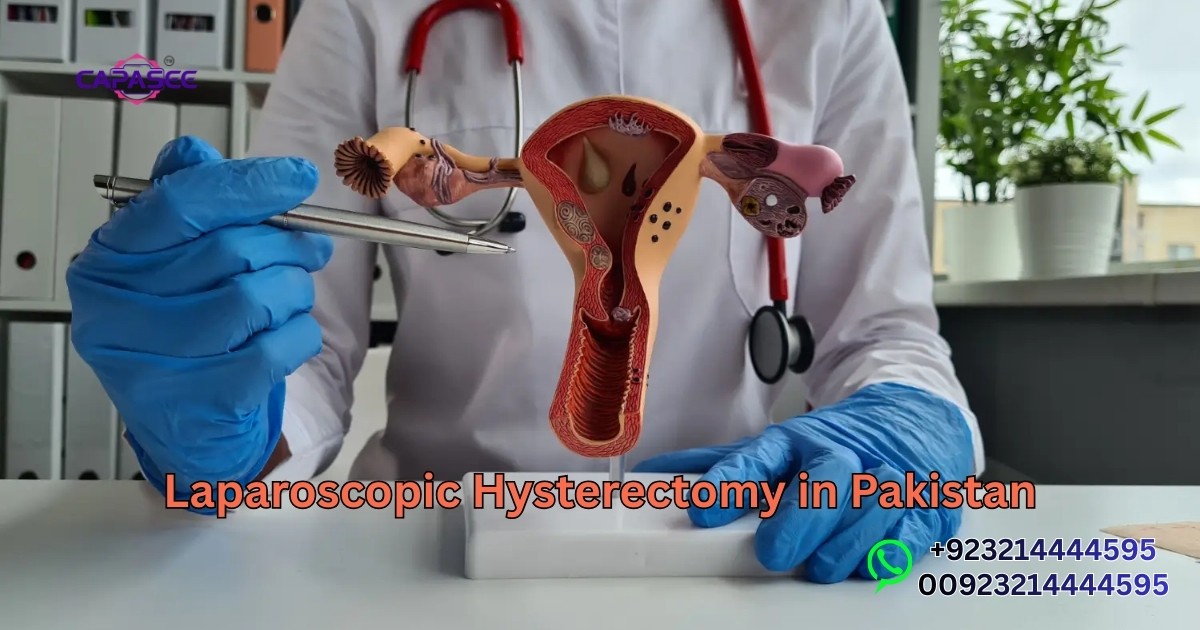
Laparoscopic Hysterectomy

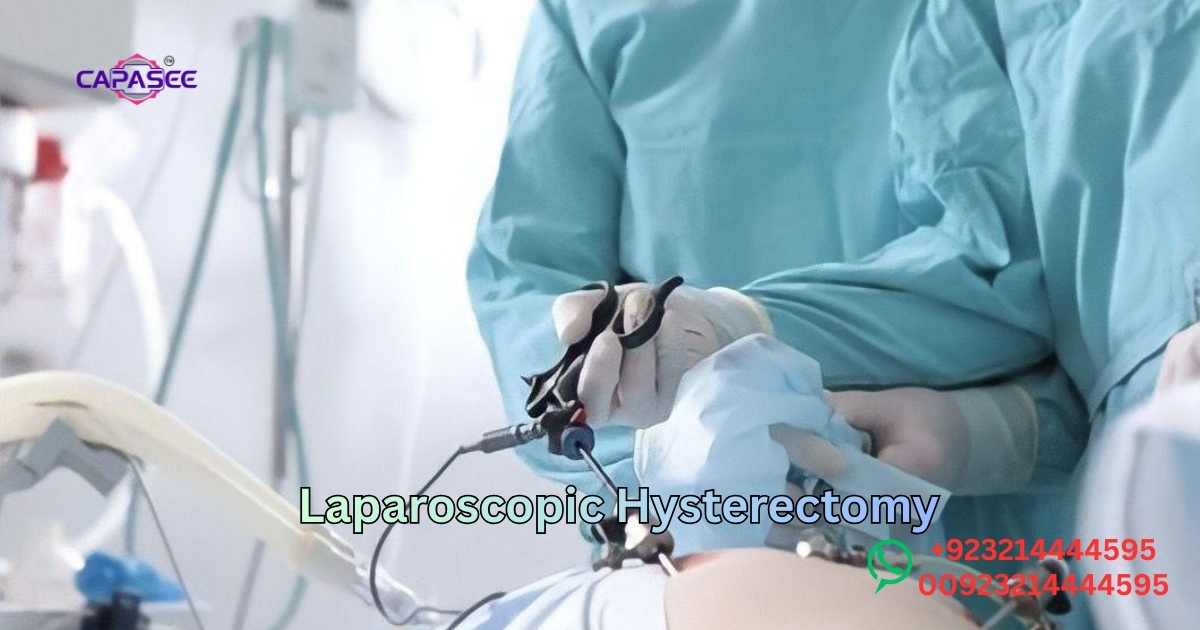
You might have been experiencing awkward and even painful gynecological problems, and you are likely to be frustrated and overwhelmed. Perhaps you have heard about a laparoscopic hysterectomy but are not well informed about it. It is difficult in situations when you need to make the right choice that would benefit you and your health, yet there is so much information around the Internet that it can even make you feel more lost.
This post will deconstruct all the information you need to know about a laparoscopic hysterectomy. We will take you through the process itself, as well as the recovery. Maybe you are thinking of having surgery, or you are simply seeking some information, you will find insightful and simple information to help you make a more informed decision about having surgery.
What Is Laparoscopic Hysterectomy?
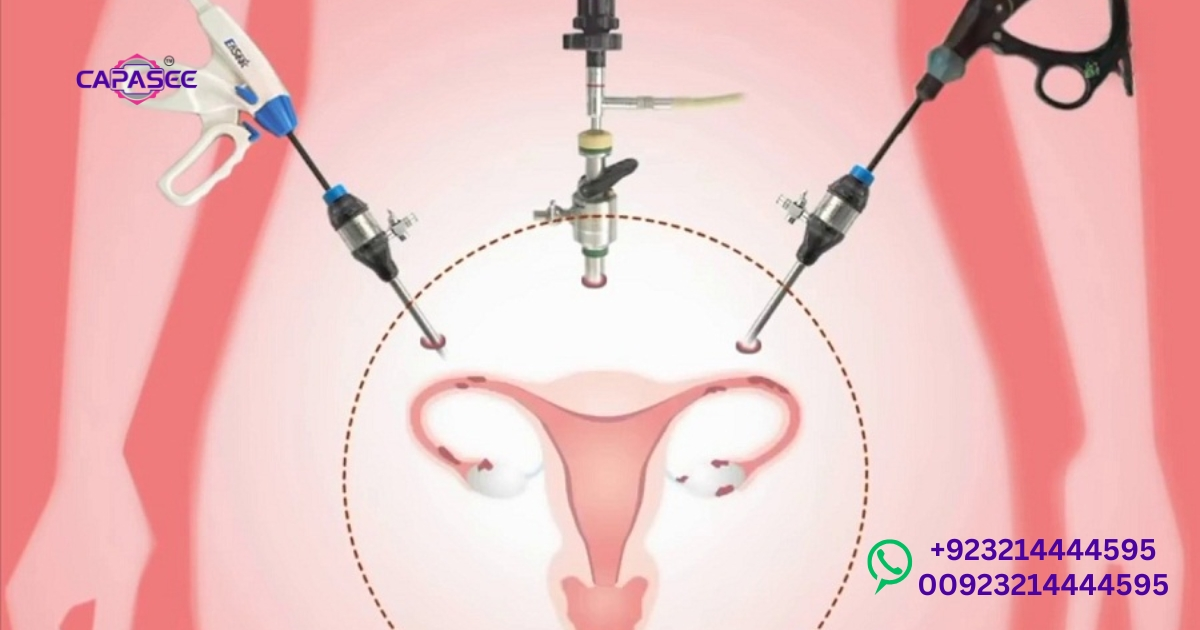
Laparoscopic hysterectomy is a very minimally invasive hysterectomy. It entails minor cuts and the application of special equipment to carry out the operation. It has fewer complications, diminishes the healing process, and creates smaller scars than traditional open surgery.
This is a perfect process for women who have benign conditions of the gynecologic organs, such as fibroids, endometriosis, or abnormal bleeding. Laparoscopic assisted hysterectomy allows the doctors to hysterectomize the uterus using small cuts, which causes less healing time and reduced complications.
Key Benefits Over Open Surgery
The accelerated recovery is one of the key advantages of laparoscopic hysterectomy. The majority of the patients can resume normal functions within 2 to 4 weeks. Laparoscopic hysterectomy during the postoperative period is mostly easier than an open surgery. This option is very desirable as patients get less pain and reduced hospitalization.
Also, hysterectomy complications with laparoscopic surgery are less than those of traditional ones. This is less prone to infection, blood loss, and long term scarring and therefore more appealing to most women.
TLH vs Abdominal Hysterectomy in Pakistan
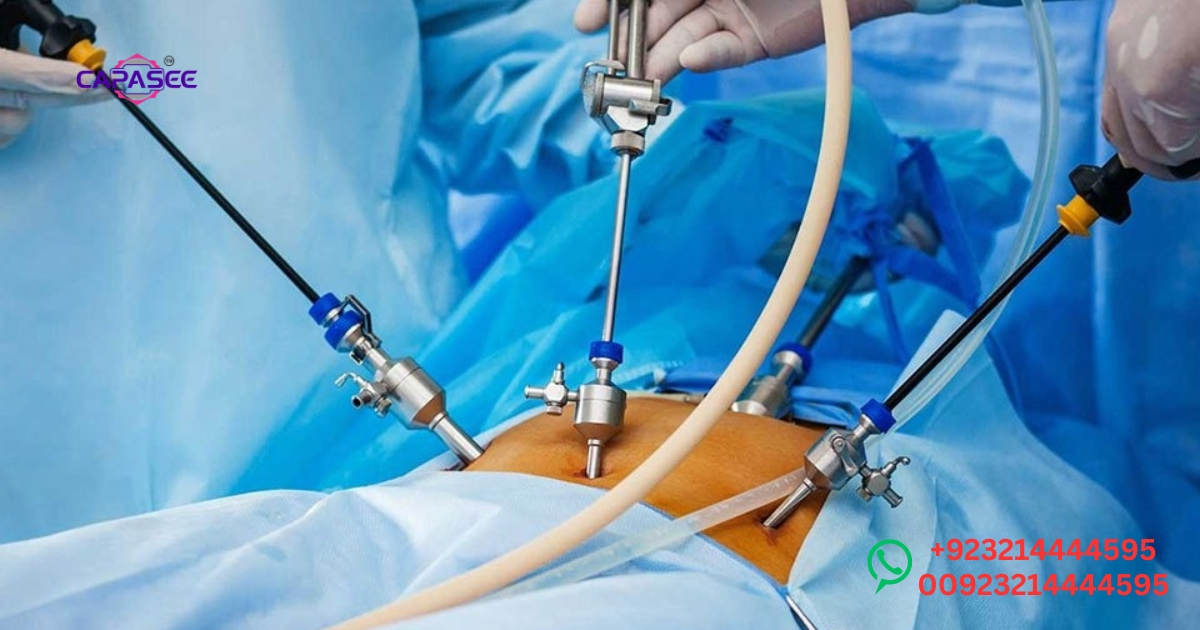
In Pakistan, it is up to the patient and the advice of the surgeon whether or not to use TLH (total laparoscopic hysterectomy) or the traditional abdominal hysterectomy. TLH involves small incisions, thus leading to a faster recovery and decreased postoperative pain. Hysterectomy of the abdomen, however, involves a bigger incision, necessarily increasing the costs of recovery.
TLH is usually favored by women in Pakistan who want to undergo a less invasive hysterectomy. Reduced hospital stay and fewer complications are some of its advantages, particularly to individuals who do not want to experience the pain and the scarring that comes with abdominal surgery.
You May Also Read This Blog: Laparoscopic Cystectomy
Why Choose TLH at Capasee?
Capasee Electro Medical Engineering, robotic aids in laparoscopic hysterectomy, providing accuracy in the process. Capasee employs the most recent gynecologic laparoscopy device, and it provides laparoscopic hysterectomy planning and scheduling with the purpose of maximizing results. Capasee surgeons are well trained, and their experience makes them do safer and successful surgeries.
When you go to TLH at Capasee, you will get the best type of care and a highly advanced technology that will make the process easier and the recovery faster.
Laparoscopic Hysterectomy Cost in Pakistan
Laparoscopic hysterectomy cost in Pakistan may differ according to the hospital and the level of expertise of the surgeon. Nonetheless, it is relatively less expensive than in most Western countries. The cost of prices is normally 80,000 to 150,000 PKR.
Laparoscopic hysterectomy has been chosen as cost effective surgery by many patients in Pakistan, particularly when the cost is compared with the alternative forms of open hysterectomy. It is a relatively cheap way to go without quality being compromised.
Affordable Pricing at Capasee Electro Medical Engineering
Capasee will provide competitive laparoscopic hysterectomy pricing without negatively affecting service. Capasee Electro Medical Engineering prices will consist of quality equipment and seasoned surgeons, hence will be a good option for patients who want to have a cost effective laparoscopic hysterectomy in the country of Pakistan.
Patients have the right to full consultations and open pricing, thus they do not need to spend on hidden expenses. Postoperative pain management in laparoscopy is also part of it, which increases patient satisfaction further.
Indications for Laparoscopic Hysterectomy in Pakistan
Laparoscopic hysterectomy is an operation generally advised for women who have benign gynecologic conditions like fibroids, endometriosis, or chronic pelvic pain. In Pakistan, a lot of women pursue this procedure as a remedy to abnormal bleeding or when their gynecological conditions cannot able to be solved by medicine.
Also, the laparoscopic removal of the uterus is recommended in case of failure of more conservative treatment. The hysterectomy signs of benign gynaecologic disorders often contain severe symptoms, which affect the quality of life to a considerable degree, and the laparoscopic surgical procedure provides a minimally invasive procedure that can restore the health state.
Check More & Purchase: Our Products
Recovery After Laparoscopic Hysterectomy in Pakistan
Laparoscopic hysterectomy is the type that has been known to have faster recovery than conventional procedures. The patients are likely to spend a few days at home after the procedure. The majority of women in Pakistan heal within 2 to 4 weeks, and they go back to normal activities shortly.
Patients are not supposed to engage in heavy lifting and other physically exhausting activities during the recovery period in order to avoid complications. Laparoscopic postoperative recovery hysterectomy involves the follow up to the patient in order to observe proper healing of the patient and also to monitor any complications of laparoscopic hysterectomy.
Laparoscopic Hysterectomy Precautions in Pakistan
The postoperative precautions should be taken after a hysterectomy surgery performed laparoscopically to ensure an easy recovery. Pakistani women need to sleep and not engage in activities that may strain the surgical site. Pain management post operatively, after instruction on laparoscopy, assists in alleviating pain.
In other instances, women can exhibit minor complications of laparoscopic hysterectomy, such as infection or bleeding. These risks can be reduced by observing proper hygiene and following medical guidelines.
Laparoscopic Hysterectomy Booking Pakistan
It is very easy to book a laparoscopic hysterectomy in Pakistan. Patients are able to be able to meet with skilled surgeons, who can discuss the most appropriate strategy, either TLH or otherwise. The scheduling and planning of a laparoscopic hysterectomy make the process a smooth one.
In Pakistan, there are a plethora of clinics that provide low prices and quality service for uterus removal laparoscopically. One should make sure that they select a hospital with modern gynecologic laparoscopy tools to have high chances of success.
FAQ’s
What is a laparoscopic hysterectomy for?
Laparoscopic hysterectomy is a less invasive operation than a hysterectomy, which is often done due to issues such an issue as fibroids, endometriosis, or abnormal bleeding.
How does a woman’s body change after a hysterectomy?
A woman is no longer able to have menstrual cycles, and in case her ovaries are extracted, she can go through menopause at an early age.
What is the recovery time for a laparoscopic hysterectomy?
Laparoscopic hysterectomy is a surgical procedure that generally takes 2 to 4 weeks to recover, with a majority of the women recovering shortly thereafter.
What are the disadvantages of laparoscopic hysterectomy?
Possible complications, such as infection, blood loss, or damage to adjacent organs, are the primary drawbacks, but they are not common.
What happens to your body after a laparoscopic hysterectomy?
The body is repaired with a minimum of scarring after the procedure, and the menstrual cycles are halted. The removal of the ovaries may cause hormonal changes.
Conclusion
Laparoscopic hysterectomy provides a cost effective and safe solution to women with long term hystereological issues that are long term. It involves small incisions and is less painful, as well as promotes faster healing. This technique has gained popularity among the patients of Pakistan due to its ability to limit the number of days spent in hospitals and disruption of daily lives. When it is planned well, the surgeons are professional, and the post surgery care is good, the outcome remains optimistic and competent. Laparoscopy hysterectomy also reduces obvious scarring and stress during recovery. The selection of the appropriate medical facility and adherence to the recovery recommendations are useful in maintaining comfort, safety, and prolonged health benefits.