
Laparoscopic Surgery Side Effects

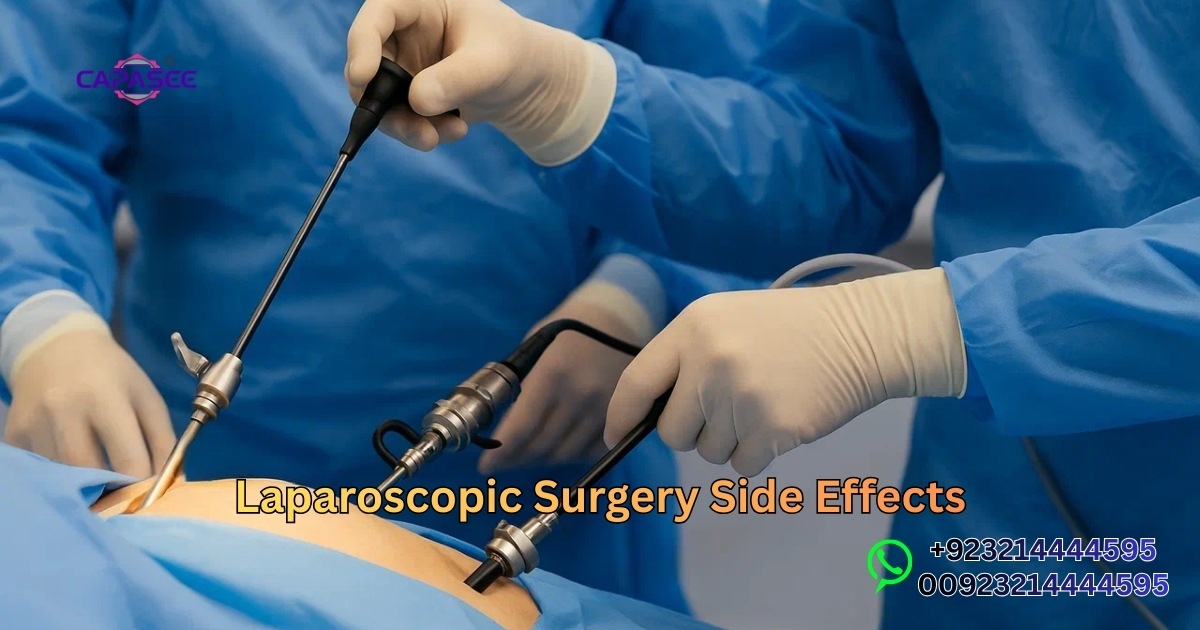
Do you think about laparoscopic surgery, but you are not sure about the side effects? There is absolutely nothing wrong with being worried before any medical procedure. The concept of recovery, dangers, or even experiencing what to anticipate even afterward may cause you to be anxious and uncertain. These are worrying issues not just to you, and you should ensure that you collect the right information before making any decisions.
We are going to deconstruct the usual laparoscopic surgery side effects in this blog post and allow you to develop an idea of what is normal and what to get help with. We will take you through the experience of what you should expect in the process of recovery and provide you with the practical insights to make you feel stronger and more prepared. Continue reading to obtain the answers you require and calm down any suspicions you may have.
Common Laparoscopic Surgery Side Effects
Post operative laparoscopic surgery side effects that are mild include pain in the shoulder tips, bloating, or nausea. The pneumoperitoneum effects are also known to cause these symptoms; this occurs when surgery is done, and gas is added to the abdomen. These side effects are not very pleasant, but they are normally sorted in a matter of days.
Other more severe laparoscopic surgery side effects are vascular injury, bile duct injury, and intestinal perforation. These are severe complications, but they are rare and may need further treatment. One should keep a check on any abnormal symptoms in the course of recovery and consult a doctor as necessary.
Short Term Laparoscopy Side Effects Recovery in Pakistan
Recovery in laparoscopic surgery has been associated with short term laparoscopic surgery side effects that are managed like postoperative ileus (temporary bowel paralysis), nausea, and side effects. In Pakistan, post surgery care instructions are taken seriously in order to ensure a clear recovery for the patients. This is a period when it is necessary to take rest, eat light foods, and stay hydrated.
Your physician can inquire about dealing with the risk of gas embolism or bile leak, which are considered serious laparoscopic surgery side effects. These complications are not frequent but may need urgent medical care in case the symptoms of the disease become more severe. To recover faster, you must adhere to the instructions of your healthcare provider, and to assess your progress, you need to visit any follow up appointments.
Bleeding After Laparoscopic Surgery in Pakistan
Laparoscopic surgery has side effects, which include bleeding, and these laparoscopic surgery side effects should be monitored closely. Although small bleeding may be experienced at the incision sites, there is severe bleeding. Hospitals in Pakistan are making efforts to take care of the patient during the surgery and in the early stages of the recovery process to avoid significant bleeding complications such as retroperitoneal hematoma or subhepatic abscess.
In case you observe the symptoms of bile peritonitis (inflammation caused by bile leakage) or sepsis (after surgery), which are serious side effects of laparoscopic surgery, seek medical assistance as soon as possible. These are uncommon conditions that may prove to be fatal unless dealt with at the earliest time possible. You must have definite guidelines as to how to handle such complications in case they emerge.
You May Also Read This Blog: Gallbladder Surgery Laparoscopic
Laparoscopic Surgery Risks in Pakistan
Although laparoscopic surgery is said to be safe, one must be informed of the possible laparoscopic surgery side effects and postoperative complications. These are incisional hernia, bowel injury, and port site hernia. The latter may happen in case the healing process at the incision site fails.
Bile leak and intestinal perforation should also be monitored by patients in Pakistan as serious side effects of laparoscopic surgery. These are complications that are very infrequent but dangerous and may be treated faster, which can be accompanied by the necessity of a prolonged process of recovery. These dangers can be learned in advance and help you make sound decisions regarding your treatment.
Laparoscopic Surgery Infection in Pakistan
The post laparoscopy surgery infection may be mild or severe and is among the known laparoscopic surgery side effects. One of the most frequent risks of the infection is peritonitis, which is the inflammation of the abdominal lining. Sepsis may arise due to the infection and should be immediately treated as it is a life threatening condition.
Healthcare providers in Pakistan watch out for signs of infection after surgery due to the evidence of infection related to laparoscopic surgery side effects. In order to reduce the risk, good wound care and hygiene procedures should be followed. Consult your physician immediately in case you experience such symptoms as fever or aggravation of the pain at the incision location.
Port Site Hernia Laparoscopic Pakistan
A port site hernia may happen due to the presence of weakness of the abdominal wall in the area of incision, causing the presence of a bulge, and it is considered a possible side effect of laparoscopic surgery. Although it is not common, this complication can be surgically repaired. Compared to patients with no history of incisional or other complications, they are at risk of getting a port site hernia.
In Pakistan, it is important to undergo laparoscopic surgery and avoid strenuous activity to prevent the development of port site hernia and other laparoscopic surgery side effects. Most patients are cured with no long term problems with proper care.
Laparoscopic Cholecystectomy Complications in Pakistan
Laparoscopic cholecystectomy is one of the common surgeries that are utilized to remove the gallbladder, but laparoscopic surgery side effects are possible in Pakistan. During the operation, one can encounter harm to the bile duct and retroperitoneal hematoma. Nevertheless, these complications can be controlled using the right medical attention and experience.
Also, complications such as subhepatic abscess and shoulder tip pain may be experienced after the operative procedure, but they normally go away with proper treatment. To reduce these risks and maximize or guarantee safe outcomes, patients should select an experienced surgeon and a medical facility.
Capasee: Minimizing Cholecystectomy Risks
Capasee offers superior equipment that serves to reduce risks of laparoscopic surgery side effects during laparoscopic surgery, such as cholecystectomy. Their technology minimizes complications like vascular injury and gas embolism, making the surgical experience of patients in Pakistan safer.
Hospitals will be able to reduce their risk of bile leakage or intestinal perforation by a large proportion by using our products. The equipment is more accurate in the surgery process, and it is a useful tool in minimizing the occurrence of intraoperative accidents, as well as improving the patient outcomes as much as possible.
Local Expertise from Capasee Electro Medical Engineering
Capasee Electro Medical Engineering works with laparoscopic surgery equipment and has a reputable name in Pakistan. Their local knowledge will enable surgeons to handle their operations more confidently and more accurately. The risk of such complications, such as bile peritonitis and incisional hernia, can be significantly decreased using high quality tools provided by Capasee.
The quality of the equipment provided by Capasee guarantees that every piece of equipment is of the best quality that will enable the patients to recover more easily and conveniently. This is because the brand has a reputation in Pakistan based on its attention to ensuring that postoperative ileus and other typical postoperative problems are minimized.
Check More & Purchase: Our Products
Capasee Guide to Safe Laparoscopy Recovery
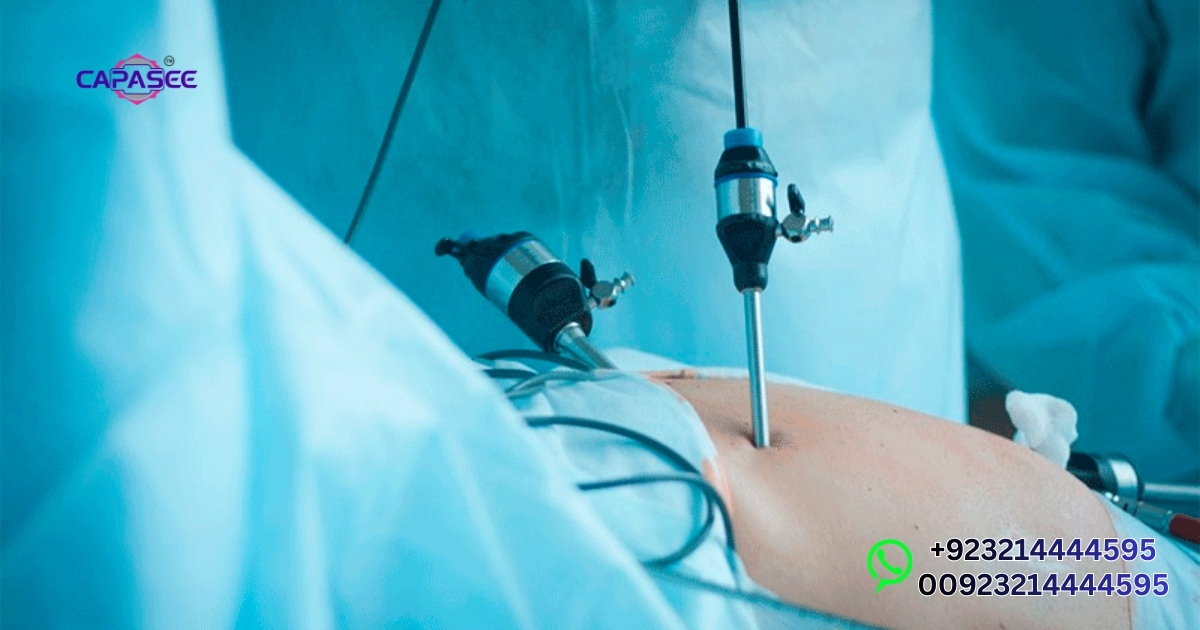
Laparoscopic surgery recovery is essential in reducing laparoscopic surgery side effects. We offer a detailed manual to achieve a safe and effective recovery with suggestions on how to proceed with dealing with postoperative complications such as paralytic ileus. They advise them to deal with pain in the shoulder tip and comply with the dietary recommendations that help achieve a faster healing process.
Adherence to the guidelines of Capasee may minimize the threats of infection, such as sepsis, or the development of such complications as bile duct injury. There is the encouragement of patients to maintain adequate hydration and sleep enough, as well as taking the medications as prescribed, to reduce any long term side effects.
Pakistan Specific Recovery Tips
In Pakistan, post operative management is significant in the prevention of post surgical complications following laparoscopic surgery. The patients are to concentrate on mild exercises to stimulate circulation, avoid lifting heavy objects, and watch for symptoms such as postoperative ileus or bile leak.
Pakistani local healthcare organizations provide individual recovery tips specific to the region with the help of Capasee equipment. These tips will make the process of recovery safer and faster, and less susceptible to other complications such as gas embolism or port site hernia.
Why Choose Capasee Equipment
The medical professionals in Pakistan have placed their trust in Capasee equipment, which is reliable and safe. The Capasee is safe in terms of minimizing risk factors such as vascular injury and intestinal perforation caused by the use of advanced technology. By providing surgeons with Capasee tools, they are sure of the laparoscopic procedures that they can easily carry out, as the equipment will minimize complications and improve the recovery of the patients.
Frequently Asked Questions
What are the long term side effects of laparoscopic surgery?
Sideline effects are long term and are not common, but can cause scarring, port site hernia, and chronic pain in case of complications.
When does shoulder pain go away after laparoscopic surgery?
The pain felt in the shoulders normally disappears in a few days or a week as the gaseous substance that is used in surgery fades.
When do laparoscopic incisions heal?
Incisions made laparoscopically normally heal within a period of 1 to 2 weeks, although full recovery may take 4 to 6 weeks.
How long after laparoscopic surgery can I take the bandage off?
After 24 to 48 hours, you can take off the bandage; however, it is advisable to take the advice of your doctor.
How much bed rest is required after a laparoscopy?
Light activities are capable of being performed within 1 to 2 days, after which you should be fully rested, and this should be 1 to 2 weeks after you recover.
Conclusion
Even though laparoscopic surgery side effects are not usually severe or lasting, it is always important to know possible risks, such as pain in the shoulders at the tip, infection, or postoperative health problems. Most patients recover easily when well taken care of. Learning about these side effects and taking the guidance of your healthcare provider may help guarantee successful recovery. You should always refer to your doctor in case you develop any unusual symptoms after the surgery in order to deal with them at an early stage. Stay in the know, and you could safely take control of your recovery and also have the benefits of laparoscopic surgery.