
Surgical Instruments

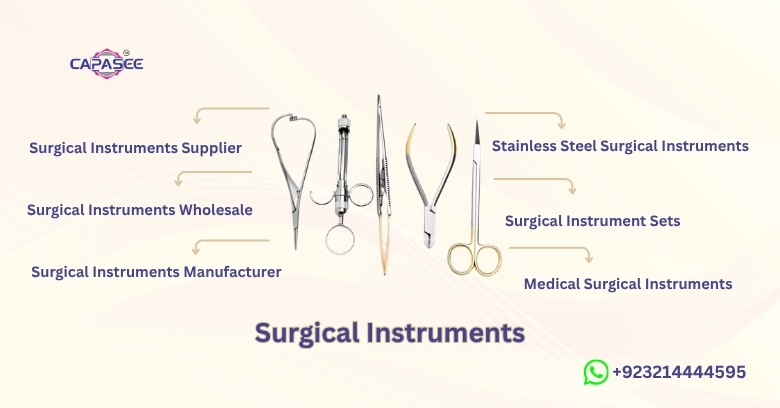
After ten autoclave cycles, a poor steel scalpel handle can corrode, and no surgeon will find out during surgery. However, a lot of medical facilities in Pakistan are purchasing surgical instruments strictly on the basis of their price, without verifying the steel grade, finish, or tolerances for sterilization. This leads to rusted jaws, dull edges, and costs that add up in less than a year.
This is even more important than ever. Private hospitals, dental clinics, and day surgery centres are becoming more common, and DRAP’s regulations require medical devices to be traceable and compliant, forcing buyers to demand this. You will learn how to distinguish a good instrument from a bad instrument in this guide. You will discover the primary types and their uses, which ones will last in the local environment, and the method to compare choices before ordering. In Capasee Electro Medical Engineering, we’re here to assist you in making that decision in a way that puts your mind at ease.
What Are Surgical Instruments and Why Are They Important?

Surgical instruments are surgical devices designed for cutting, dissecting, grasping, holding, retracting, and suturing tissue during a procedure. It is impossible to operate without them.
The quality determines the safety and accuracy of the surgery. A sharp, well balanced tool will cause minimal tissue damage, and a dull tool will increase the risk of damage to the tissues. Imagine a day surgery practice that gets inexpensive “needle holders” with ratchets that begin slipping in just a few months, sutures that loosen up, and a new full complement of “needle holders” after a year.
Definition and Main Functions of Surgical Instruments
There is a task for each tool. Scalpels and scissors cut, forceps and clamps hold, and retractors keep the field open. Needle holders are used to push the suture needle through the tissue.
The vast majority are constructed from stainless steel since it is resistant to corrosion and can withstand multiple sterilizations. Surgeons choose by function first, then by size, tip shape, and finish.
Why Hospitals, Clinics, and Surgeons in Pakistan Need Quality Instruments
Patients’ safety comes first with quality instruments. They reduce the risk of complications and infection by ensuring clean cuts, secure grips, and reliable clamps.
They also end up saving a considerable amount of money in the long run. A good set of steel surgical instruments can withstand hundreds of autoclave cycles, while multiple inferior sets may need to be replaced multiple times over the course of an autoclave’s life. We tell our customers to buy based on the cost per year of use at Capasee Electro Medical Engineering and not the invoice price.
You might also like: Surgical Diathermy Unit Price in Pakistan
Types of Surgical Instruments: Names, Uses, and Categories
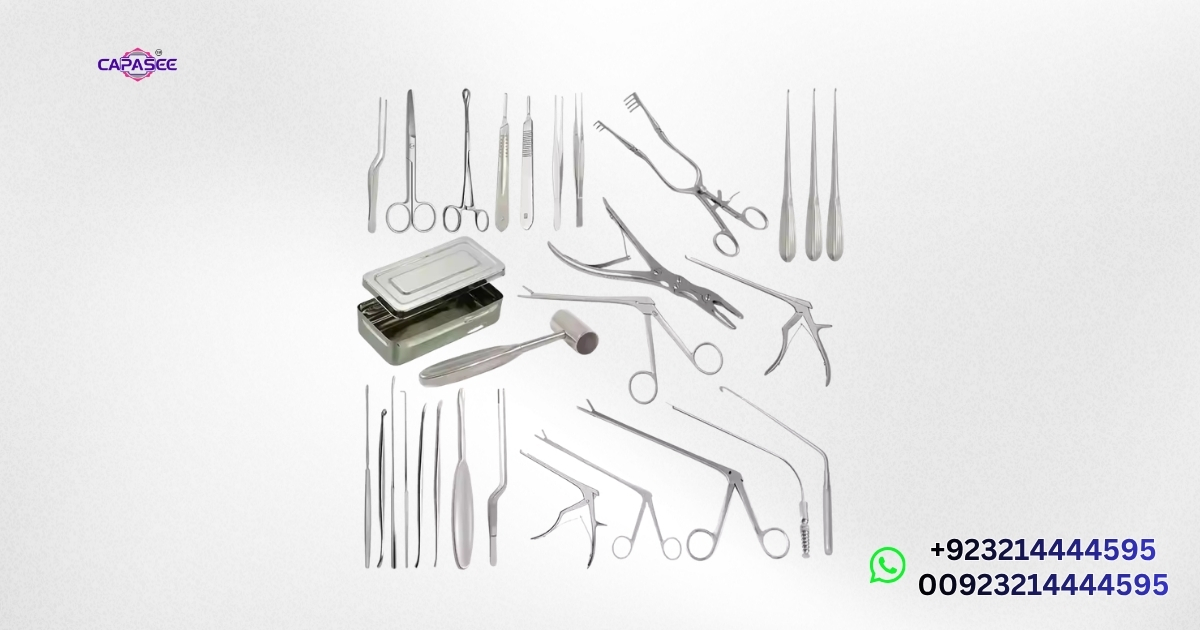
There are five working groups of surgical instruments; cutting, grasping, clamping, retracting, and suctioning or dilating. When you know the group, you can select the appropriate tool more quickly.
There are speciality versions of each group, too. A general surgery scissor will have strong blades; a plastic surgery scissor will have fine tips for delicate tissues. Buyers who place group orders will not have to worry about being given a mismatched set or wasting money.
Common Surgical Instruments and Their Uses
These are the eight tools that are found in almost every operating theater. The following table reveals the functions of each and the most common use for surgeons.
| Surgical Instrument | Main Use | Common Surgical Specialty |
| Scalpel | Making precise incisions | General surgery |
| Surgical scissors | Cutting tissue or sutures | General, plastic, vascular surgery |
| Forceps | Grasping or holding tissue | General and dental surgery |
| Hemostat/artery forceps | Clamping blood vessels to control bleeding | General and emergency surgery |
| Needle holder | Holding suture needles during stitching | All surgical specialities |
| Retractor | Holding tissue or organs open for visibility | Orthopedic, abdominal, and general surgery |
| Suction tip | Removing blood, fluids, and debris | Most operating room procedures |
| Dilator | Widening narrow passages or openings | ENT, urology, and gynecology |
Make sure the joint and tip are aligned before purchase. If the tips of the forceps don’t align properly, they will slip on tissue and cause the surgeon to lose heart.
Surgical Instruments by Speciality: General, Orthopedic, ENT, Gynecology, and Dental
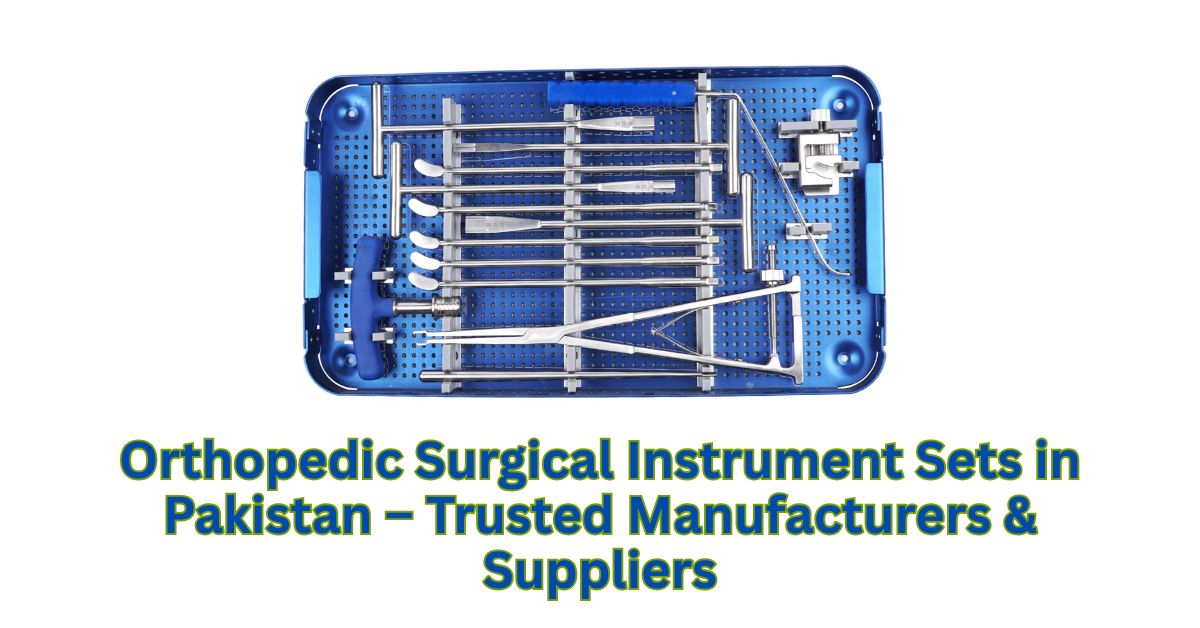
Each speciality creates its own sets. General surgery revolves around scissors, hemostats, retractors, and a scalpel. Orthopedic sets include bone cutting instruments like rongeurs, osteotomes, and bone holding forceps, requiring heavier steel.
ENT and gynecology sets have narrow space dilators and fine forceps. For extracting teeth, dental sets contain extraction forceps, elevators, and mirrors. Private clinics and day surgery centres have the first preference for the acquisition of general minor surgery sets, dental extraction sets, and gynecology packs, due to which demand is the highest in Pakistan.
How to Choose the Right Surgical Instruments in Pakistan
Sort by material grade and speciality fit, followed by supplier reliability. A tool that does not pass any of the three is more expensive than it is worthwhile.
Begin with the function it performs, then verify the steel, finish, and individual behind the instrument. A clinic that gets its photo from a catalog is likely to discover weak joints within the first month.
Stainless Steel, German Steel, and Titanium Instruments: Which Is Best?
German stainless steel suits high precision work, standard stainless steel covers routine use, and titanium is used for delicate or lightweight use. The winner is based on your procedures and budget.
The quality of stainless steel will vary by grade, but handles are suitable for everyday use in clinic work. German stainless steel maintains its edge and is not affected by repeated autoclaving. Titanium is non corrosive and makes the surgeon’s hand less tired in long cases.
| Material | Best For | Key Benefits | Considerations |
| Stainless steel | Routine hospital and clinic use | Strong, affordable, reusable, and easy to sterilize | Quality varies by grade |
| German stainless steel | High precision surgical procedures | Excellent durability and edge retention | Higher cost |
| Titanium | Delicate, lightweight, or specialized surgery | Corrosion resistant and lightweight | Usually more expensive |
“German steel” is sometimes only a marketing label. Before payment is made, inquire of the seller about the true grade of steel used and the material test report.
See More & Buy: Our Products
Where to Buy Surgical Instruments in Pakistan: Manufacturer vs. Supplier
Purchase from a manufacturer or supplier that is transparent about sourcing. Quality and customization are handled by a manufacturer, whereas a trading supplier provides fast delivery of lots of types.
Capasee Electro Medical Engineering is a precision engineering company based in Pakistan that supplies surgical instruments and electro medical equipment. Buyers have to deal with one team for instruments and equipment and have some local support if a tool requires repair.
Before placing any order, don’t forget to go through this list:
- Certifications: Request ISO 13485 and CE certificates, and verify DRAP registration, if applicable.
- Material grade: Obtain a written test report and steel grade.
- Warranty: Make sure it has a warranty and that it includes joints, ratchets, and tips.
- Bulk pricing: Request discounted pricing for bulk purchases and reordering.
- After sales support: Ensure that sharpening, repair availability, and more are confirmed.
- Delivery: Request discounted prices and bulk orders.
Surgical Instruments Price in Pakistan and Maintenance Guide
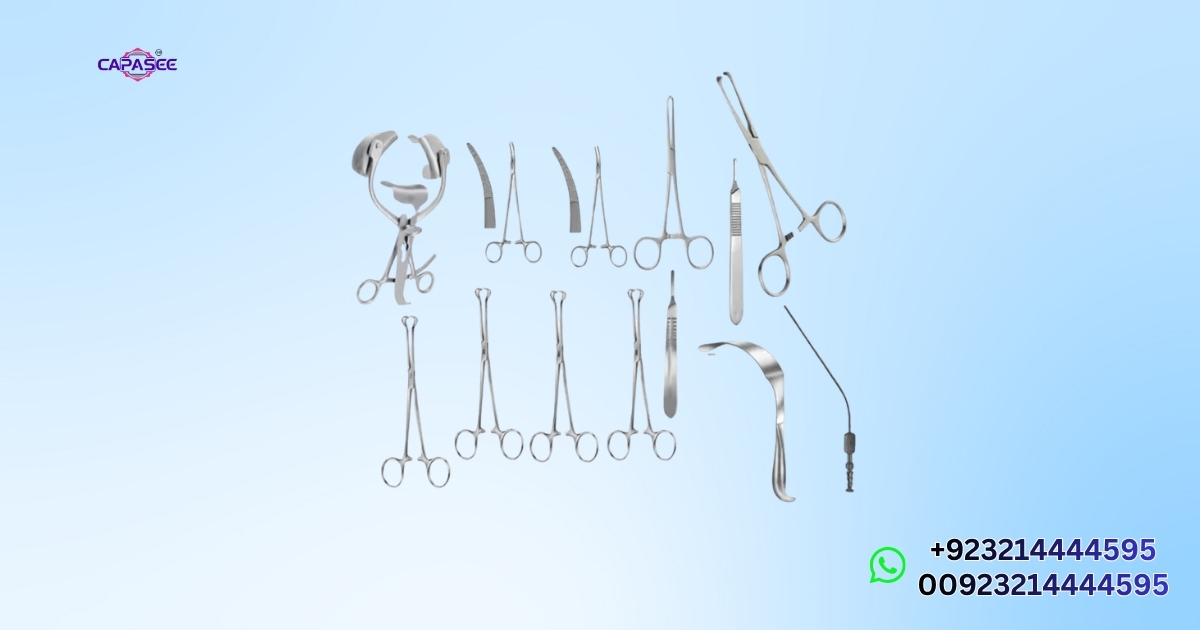
The key factors that influence the price are the type of instrument, steel grade, and the size of sets, and the key factor that determines how long your money lasts is maintenance. Decide as if it is one decision.
Envision two sets of minor surgery. Consider two sets of minor surgery. The cheaper one will rust at the hinges in 6 months; the better one will work for years with simple maintenance.
Surgical Instruments Price in Pakistan: What Affects the Cost?
The price changes because of six factors. The first thing is the type of instrument; a simple towel clip is far cheaper than fine vascular forceps. Next is steel grade, then brand reputation, and finally set size.
The remaining costs are import and customization. The price of imported tools is higher due to exchange rates, duties, and shipping, while custom tips or engraving adds to production time. Request an itemized estimate from each vendor; this will allow you to compare apples to apples.
How to Clean, Sterilize, and Maintain Surgical Instruments Safely
Immediately rinse instruments and clean with neutral detergent, dry thoroughly, and sterilize in an autoclave. Rust issues typically begin as a result of neglecting to dry or clean with the proper materials.
Follow these steps:
- Rinse: Blood and tissue must be removed within minutes before they dry on the steel.
- Clean: Use a neutral pH enzymatic detergent and a soft brush or ultrasonic cleaner for hinges.
- Rinse again: Use demineralized or distilled water; remember the mineral stains.
- Dry: Wipe every instrument completely, and open all the box locks.
- Lubricate: Use instrument milk on ratchets and hinges.
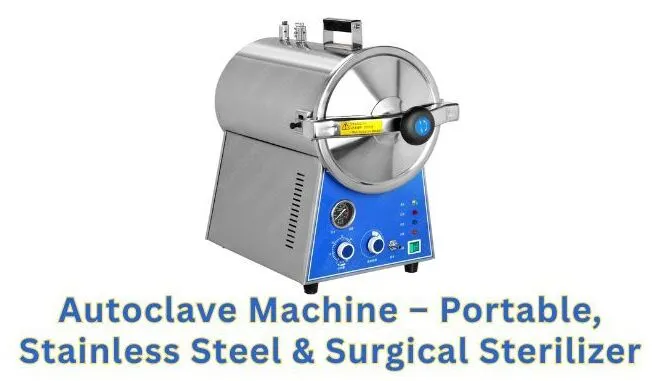
- Autoclave: Use 121°C for 15 to 30 minutes or 134°C for 3 to 4 minutes.
- Store: Store sets dry, wrapped, and out of damp areas.
Don’t use saline, harsh scouring pads, or bleach, as they will begin to pit the surface and cause corrosion. Check tips, ratchets, and joints after each cycle, and replace any with cracks or a loose box lock. With this routine, quality instruments last for years.
Frequently Asked Questions
How many types of surgical instruments are there?
There are thousands of designs for surgeons, which are classified into five major categories; cutting, grasping, clamping, retracting, and suctioning or dilating.
What is the 5 surgical checklist?
It is the Five Steps to Safer Surgery; briefing, sign in, time out, sign out, and debriefing, which are used to prevent errors.
What was the first surgical instrument?
Surgical tools were probably the earliest, developed using flint or obsidian blades that had been ‘sharpened’ between two stones.
What material is used for surgical instruments?
They are made of medical grade stainless steel as the standard material and titanium for lightweight or special tools to resist corrosion and sterilization.
What are surgical instruments made from?
Most surgical instruments are manufactured from stainless steel, an alloy that contains chromium, which creates a protective coating on the steel to stop it from rusting and staining.
What are the most popular surgical instruments?
These are the most commonly used; scalpels, forceps, surgical scissors, hemostats, needle holders, and retractors, all used in almost every procedure.
Should new instruments be cleaned before use?
Yes, always. Manufacturing oils and residue are found on new instruments, so wash and sterilize the instruments before using them for the first time.
Why do instruments with joints become stiff?
Stiff joints are caused by dried blood, mineral deposits, and lack of lubrication. Thoroughly clean hinges and use an instrument milk after each cycle.
Conclusion
There are three checks that come into consideration when choosing the right surgical instruments. The steel grade is fit for your specialty, and you have a supplier who stands behind the product. With proper cleaning, drying, and autoclaving, you will have a good set for your clinic or hospital for many years rather than months. This translates to safer procedures, less replacement, and reduced cost per year of use.
Next time before you buy, use the buying checklist from this guide and request written material and certifications from each seller. Call Capasee Electro Medical Engineering today to receive a clear quote or discuss your needs. More good tools equal more good surgeons, and more good surgeons equal more patients in Pakistan.





One thought on “Surgical Instruments”