You might be asking about the side effects of cautery if you’ve recently had a cautery treatment or are thinking about getting one. It’s normal to be worried about how your body may react, especially when it comes to things that touch your skin and use heat or electricity. You could be wondering things like, “Is it safe?” “Are there any risks?” and you’re not the only one who is unsure.
In this blog post, we’ll talk about the possible side effects of cautery and explain them in simple terms. You’ll learn exactly what to expect, how to deal with any pain, and how to make the greatest choices for your health. You will receive all the knowledge you need to feel more confident and informed about your treatment by the end. Read on to find out more.
What Are the Side Effects of Cautery? Disclosing the Truth with Capasee Electro Medical Engineering
Cautery is a medical operation that uses heat or electric current to cut or remove tissue. Patients should know that cautery treatment works, although there are certain hazards involved. The side effects of cautery can include discomfort, swelling, skin irritation, and possibly an increased risk of infection.
Capasee Electro Medical Engineering says that knowing what to expect from a cautery surgery might help patients regulate their expectations. The side effects of cautery treatment can be different based on the type and amount of treatment. This essay will clearly explain these negative effects so you can make smart choices.
Common Cautery Side Effects: Pain, Swelling, and Infection Risks Explained
Cautery discomfort and swelling are common after a cautery operation. Among the most reported side effects of cautery are inflammation, which can cause swelling at the site that lasts for a few days. Some patients may also feel a burning feeling or an electrical burn from the cautery, especially if the surgery was long.
If you don’t follow the right aftercare for cauterization, you could also have an infection. This is one of the more serious side effects of cautery, as infection can harm the cautery tissue. Therefore, it’s important to keep an eye on the area that was treated. Taking care of and treating someone right away can lower the risk of problems after cautery.
Cautery Healing Process: What to Expect During Recovery
The healing process of the cautery does have some steps, the first of which is healing the wound. Initially, the area can be red or swollen, although it will begin to scab and heal as time goes by. The healing period after cauterisation is uncertain, although it normally takes a few days to several weeks, based on the size of the area that received the cauterisation.
Following the treatment, it is highly recommended that you adhere to the cautery aftercare advice of your physician. This may include not going under the sun, applying the ointments prescribed to you by your doctor and keeping the area clean. This can help minimize the side effects of cautery and ensure a smooth recovery. It is in your power to ensure that you recover and reduce the risk of complications following cautery by doing the right things.
You May Also Read This Blog: What Are The Two Types Of Cautery
Chemical and Electrocautery Side Effects Handled
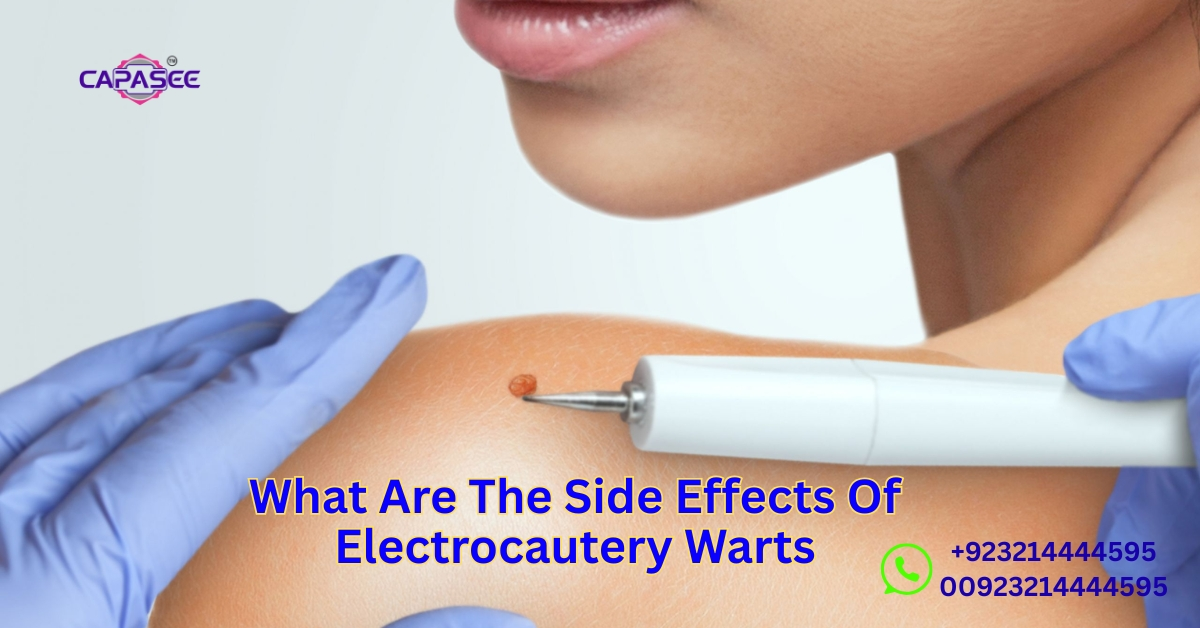
Cautery treatments, whether chemical or electrocautery, can have side effects of cautery that are different for each operation. Some problems that can happen with electrocautery are damage to the tissue, discomfort and swelling, and skin irritation. On the other side, chemical cautery can induce chemical burns or irritation.
Capasee Electro Medical Engineering main goal is to reduce the hazards of these cautery treatments by offering skilled care. To ensure a safe recovery and fewer problems, it’s important to know the risks and side effects of cautery therapy and how to manage the results of the surgery.
Chemical Cautery Side Effects vs. Electrocautery Complications: What You Must Know
The side effects of chemical cautery include burns, inflammation and scars that result due to cautery. Such effects are normally due to the chemicals involved in the process, which may damage tissue provided that they are not handled properly.
Electrocautery side effects have the potential to bring about electrical burns and thermal injuries. It is good in coagulation, but unmonitored, it may also cause discomfort, bleeding difficulties, and necrosis. Each of the two operations has its share of dangers, hence they require keen aftercare and awareness of the potential side effects of cautery.
Managing Cautery Scabbing, Crusting, and Bleeding Side Effects with Expert Care
It is normal that the healed area of the treatment crusts and scabs after cautery. These are side effects of cautery that occur because the body develops some type of protective layer to enable the cautery wound to heal. It is important that the area is clean in order to reduce the risk of cautery infection.
Cautery bleeding may also have issues, particularly when applied to larger or deeper incisions. In order to manage hemorrhage and reduce the chances of complications, one should take good care of the cauterization. Managing the side effects of cautery can help patients avoid additional problems and support the healing process by doing what their doctor suggests.
Rare but Critical Concerns: Hematoma, Granuloma Formation, and Nasal or Punctal Cautery Side Effects
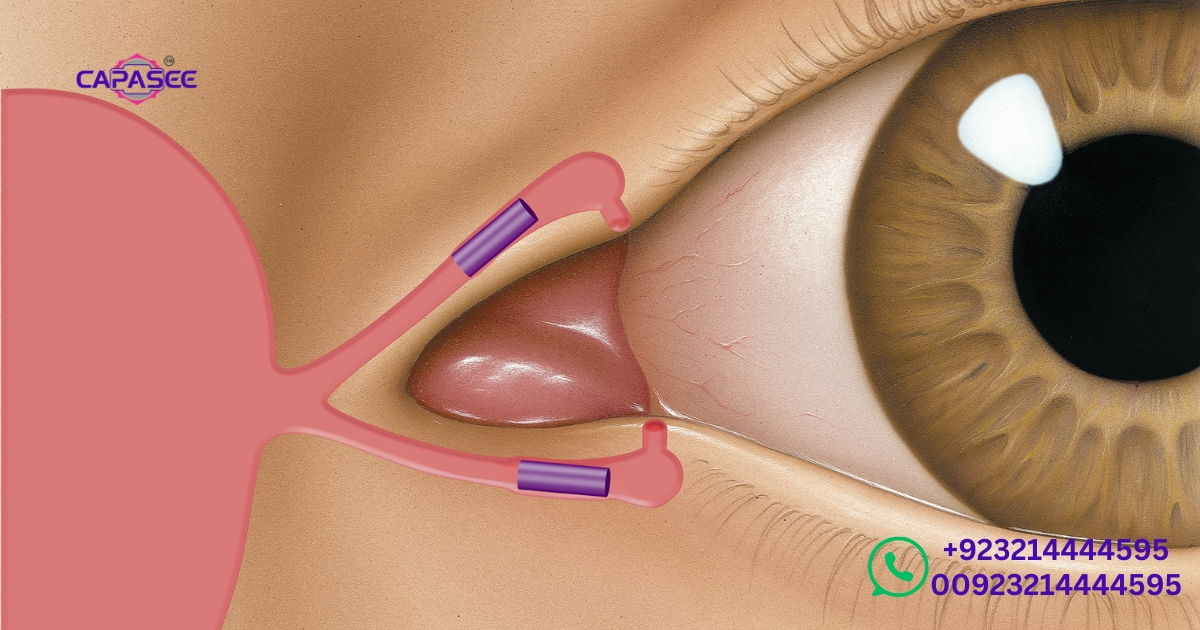
Side effects of cautery have some serious, but not common, consequences, such as the risk of cautery hematoma and the development of cautery granuloma. These side effects of cautery occur when there is accumulated blood under the skin or tissue becomes aggravated and forms lumps. It may complicate the process of recovery and repair.
Nasal cautery and punctal cautery have other side effects of cautery, which can leave you feeling worse than hematoma and granuloma formation. They are effective, and when done improperly, they may lead to bleeding, pain, swelling and tissue damage to the area undergoing the cauterization.
Read More: Our Products
Addressing Hematoma and Granuloma Risks Post Cautery at Capasee
Capasee Electro Medical Engineering takes the side effects of cautery, such as cautery granuloma and the presence of cautery hematoma, very seriously. In order to manage these side effects of cautery, proper aftercare is needed. It ensures that the cautery site heals without issues, such as excessive edema or tissue growth.
We provide expert medical attention to minimize these issues that may occur with cautery. Identification and prevention of side effects of cautery in their initial stages is the most appropriate method to prevent chronic ailments such as cautery tissue necrosis or infection, which may delay the healing process and alter the outcome of the latter cautery procedure.
What to Know About Nasal and Punctal Cautery Side Effects for Safe Treatment
Side effects of nasal cautery are cautery skin irritation, cautery burning sensation and in some cases, cautery bleeding. All these side effects may render the recovery process uncomfortable, though they can be addressed with proper care and attention.
The side effects of punctal cautery are no different and a risk of infection by the cautery or damage to delicate eye structures is an added threat. To reduce these risks of cautery treatment and ensure safe and effective healing, it is possible to ensure that the procedure is conducted by an experienced professional and in accordance with the cauterization aftercare recommendations.
FAQ’s
What are the disadvantages of cautery?
Depending on the operation and how well you take care of it afterward, cautery might cause discomfort, swelling, infection, and even scars.
How many days does cautery take to heal?
It usually takes 7 to 14 days for cautery to heal, although it may take longer for the area to fully heal.
What are the risks of cauterization?
If not handled correctly, the hazards include infection, injury to tissue, scarring, and bleeding.
What is the recovery time for cautery surgery?
The amount of time it takes to heal varies, but with the right treatment, most people are better in one to two weeks.
What not to do after cautery?
Don’t scratch, let the area get direct sunlight, or use harsh skin care products until it is completely healed.
Conclusion
The side effects of cautery may be mild and may include burns or serious issues such as infection or scarring. The majority of the side effects pass, but proper aftercare reduces the risks. You will be informed about the possible impacts of both chemical and electrocautery on you, so you can make wise decisions and recover faster. Always discuss your concerns with a doctor or a nurse and receive specific advice on how to manage any side effects. It is quite crucial to follow aftercare rules to recover.