
Can You Use Saline with Monopolar

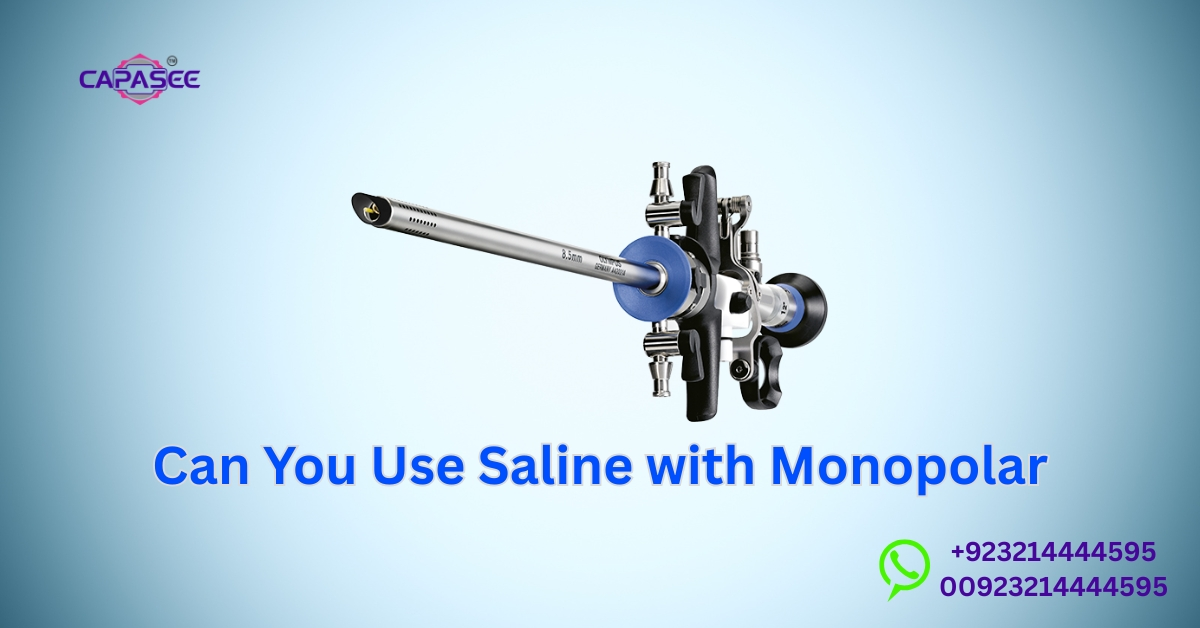
Have you been caught in the midst of a procedure or treatment and then questioned yourself, Can you use saline with monopolar? It is a question that may come to your mind in the process of trying to make everything alright. Perhaps you are a medical practitioner, or you are simply a curious person and this fact has somewhat confused you. This is all natural to ask these questions; it is so important to have the right answers.
In the context of this blog post, we shall explore the question of the safety of saline with monopolar devices. You will have clear insights about the interaction of these components with each other and the tips that would help you to be sure that these components are used properly. At the conclusion, you will have a much deeper insight into the subject and be proud of your style. Read the blog carefully; it has answers to all your questions.
Effective Use of Saline with Monopolar Cautery: Insights from Capasee
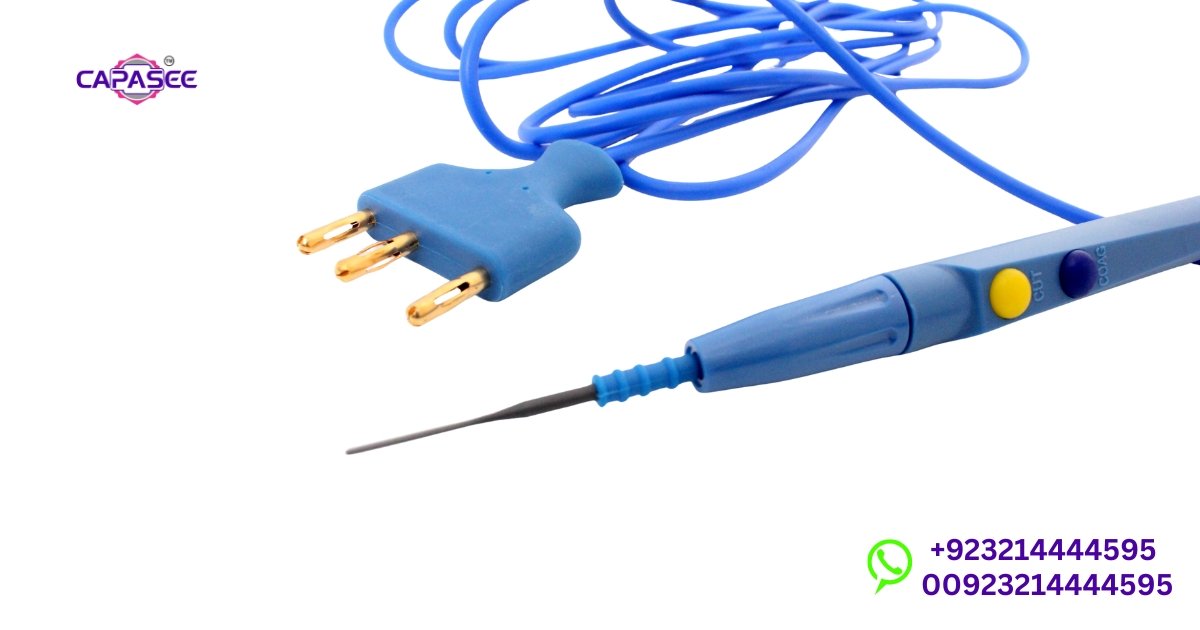
Saline and monopolar cautery are vital in several surgical operations, though they must be precise. Capasee Electro Medical Engineering proposes to be cautious with the use of saline, its concentration, and volume. Monopolar surgery in saline irrigation may have high efficiency, but requires perfect application to prevent complications.
Capasee Electro Medical Engineering is not an exception, as it emphasizes the necessity to comprehend saline with monopolar usage peculiarities between monopolar and bipolar cautery. Although saline irrigation may aid in cooling tissue during monopolar cautery, the solution used may influence the result of the procedure and patient safety. When saline with monopolar procedures is handled properly, better results are assured.
Hypertonic Saline in Monopolar Procedures: Best Practices and Precautions
There are advantages associated with hypertonic saline with monopolar procedures, although this has to be done with care. It can lessen tissue damage due to thermal effects. Nevertheless, it can cause an electrolyte imbalance when not addressed appropriately. They suggest that to avoid fluid absorption electrolyte imbalance in monopolar treatments, fluid absorption should be observed throughout the procedure.
Some of the best practices are the administration of hypertonic saline in moderate doses, ensuring that the saline usage of the monopolar cautery is within the recommended range. It is best to always follow the instructions of the device manufacturer and make sure that the fluid is compatible with monopolar cautery safety saline procedures.
You May Also Read This Blog: What is an Electric Cautery
Monopolar Cautery Saline Use versus Bipolar
There is a considerable difference between the saline use of monopolar cautery and the bipolar cautery saline use. Bipolar cautery often involves saline as a medium of conduct between two electrodes, unlike monopolar cautery, which uses saline to cool the tissue. Capasee underlines that although saline is safe with a monopolar caution system, this is not the best method to use in a bipolar system, which possesses other electrical properties.
In monopolar vs bipolar cautery saline, the likelihood of thermal tissue damage is greater in monopolar systems, where saline with monopolar fluid intake would cause side effects such as TUR syndrome monopolar cautery. Bipolar systems are, however, not reliant on saline to cool them.
Safety and Benefits of Saline Irrigation in Monopolar Surgery by Capasee
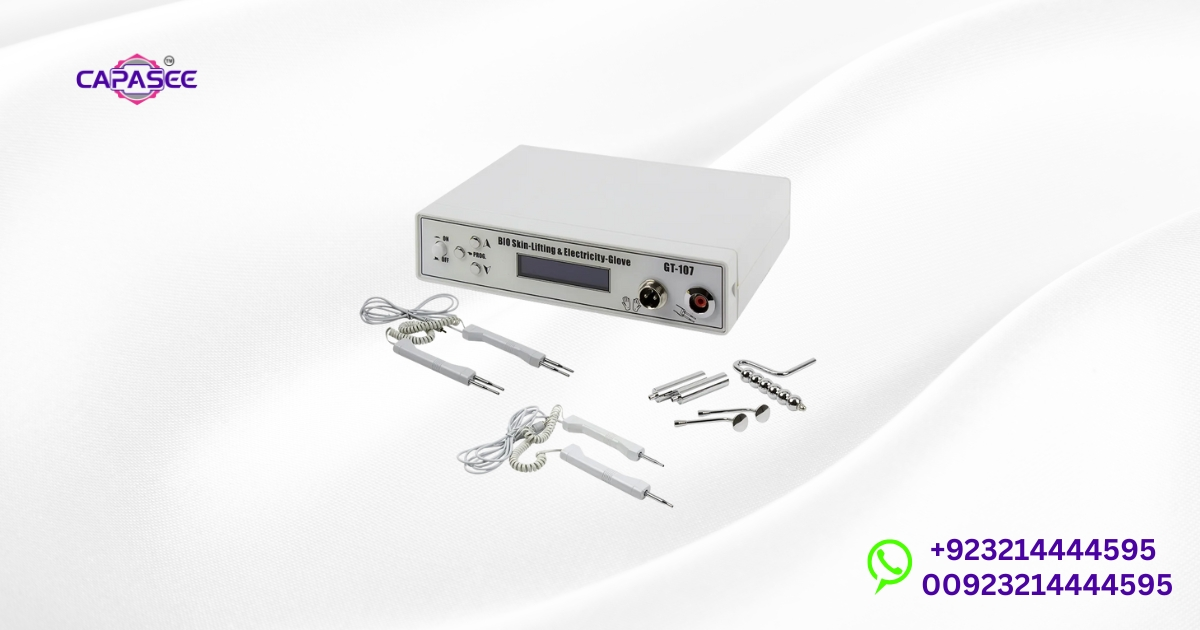
Saline with monopolar surgery has a number of safety advantages. Capasee Electro Medical Engineering affirms that saline is used to cool the tissue and prevent the occurrence of thermal damage. It also cleans debris, keeping the surgical field clean. Saline with monopolar injection can be practiced during monopolar tonsillectomy to boost the results by decreasing the heat concentration in the sensitive tissues.
Also, the normal saline irrigation monopolar is a good option because it can be used to maintain the moisture balance inside the surgical site and excessive tissue drying is prevented. Effective monopolar cautery safety saline methods can be used to ensure that the surgeries are conducted without needless risks.
Saline Injection during Monopolar Tonsillectomy: Enhancing Electrical Tonsillectomy Outcomes
Saline injection at monopolar tonsillectomy in tonsillectomy procedures might enhance the accuracy of the surgery. According to Capasee Electro Medical Engineering, when using saline, the tissues remain plunged in water, hence enabling the cauterization to be more effective. This mitigates the threat of thermal damage and ensures that the thermal damage saline solution of the monopolar cauterization is kept to a minimum during the procedure.
Saline with monopolar is used to ensure that the quality of the tissue is maintained and that there is efficient use of electrocautionary saline irrigation. This is especially relevant when it is dealing with sensitive tissues such as tonsils, where too much heat may lead to unwanted complications.
Right Irrigating Solutions for Monopolar Cautery: Expertise by Capasee
The appropriate selection of monopolar cautery irrigating solutions is necessary to prevent some complications, such as TURP monopolar saline irrigation. Capasee Electro Medical Engineering recommends the application of normal saline to general procedures since it is isotonic, which is safe for the majority of patients. Nevertheless, they suggest that glycine over saline in monopolar surgery should be done in certain situations where saline can lead to undesirable tissue swelling or tissue damage.
It is important to know the applications of glycine versus saline in monopolar surgery, particularly in sensitive surgeries such as transurethral resection. Glycine is less prone to fluid absorption electrolyte imbalance monopolar; however, saline has superior cooling when compared to most monopolar cautery bladder surgery saline usages.
Check More & Purchase: Our Products
Assessing Risks and Compatibility of Saline with Monopolar Surgery: A Capasee Perspective
Saline with monopolar surgery is risky, particularly where there is improper fluid uptake. Capasee Electro Medical Engineering emphasizes the need to regulate the amount of fluids to prevent complications with saline with monopolar irrigations. Unless managed, monopolar cautery saline may result in fluid overload, resulting in TUR syndrome monopolar cautery.
Monitoring and care of the patient should be properly performed in order to be safe. Saline fluid absorption must be used in monopolar procedures with care to eliminate the chances of electrolyte imbalance and other negative consequences.
Case Studies on Saline Use in Transurethral Resection and Other Monopolar Operations
Case studies indicate that the use of saline in transurethral resection can be a significant improvement to patient outcomes in case monopolar cautery saline use is properly used. According to surgeons, the application of electrocautery saline irrigation inhibits thermal injury and enhances the effect of monopolar cautery by maintaining moisture in the surgical site. To prevent complications such as fluid absorption and TUR syndrome in these delicate operations, Capasee Electro Medical Engineering advises that one should follow the laid down procedures.
Controlled saline with monopolar usage in situations associated with monopolar cautery bladder surgery, saline has been demonstrated to minimize the possibility of injury, such that TURP monopolar saline irrigation can be effective, yet any undesired side effects can be avoided.
Frequently Asked Questions(FAQ’s)
What is the irrigation fluid for monopolar TURP?
Normal saline is the most frequently used monopolar TURP irrigation fluid because it contributes to the clear state of the surgical field and eliminates complications.
Why is normal saline used in bipolar TURP?
Bipolar TURP involves the use of normal saline, which is non conductive and safe, thus avoiding the chances of electrical burns, but it keeps the tissues wet.
Can you use saline on surgical instruments?
Surgical instruments can be rinsed with saline, but it has to be wiped off to avoid corrosion.
What solution can damage surgical instruments?
Surgical instruments may be corroded or damaged by harsh chemicals or solutions such as chlorine bleach, which damages the instruments, resulting in a reduction in their integrity.
Why should saline not be used for point of view treatment or keeping instruments wet during transport?
Saline leads to corrosion and rust, provided instruments are not dried long enough, resulting in their damage during transport or storage.
Final Thoughts
Saline with monopolar cautery is an important aspect of making different surgical processes safe and effective. Saline use should be performed properly to minimize thermal damage, keep the tissues moist, and enhance the outcome. Nevertheless, it is necessary to adhere to the best practices to prevent such complications as electrolyte imbalances or fluid absorption. In the process of improving the care and having successful outcomes in patient care, the healthcare professionals can improve the safety and accuracy of the monopolar cautery practices by understanding how the cauterization tool is used and what risks are involved.