
Electro Cautery for Warts Removal


Although a wart might appear to be a small skin issue, the improper method for getting rid of your warts can cause pain, scarring, or recurrence. Electro cautery for warts removal is a professional procedure that is suitable for removing unwanted skin tissue by applying controlled heat, typically used for skin lesions. Treatment options and clinic costs can differ greatly in Pakistan, so it is important to know what to expect before making an appointment. But what is the effectiveness of electrocautery? Is it painful, and how long does the recovery take?
This guide will outline how the procedure works, what types of warts it can treat, the advantages, potential complications, recovery duration, and cost of the procedure in Pakistan. You will also learn about the differences between electrocautery and other options like cryotherapy, laser therapy, and topical medications, so you can have the information with you when you visit a doctor with experience in skin cancer treatment.
What Is Electro Cautery for Warts Removal and How Does It Work?

Electrocautery is a medical technique that involves burning off the unwanted tissue of warts with controlled heat. Electro cautery for warts removal is a procedure that’s carried out by a trained healthcare specialist, who uses specialized equipment to precisely target the area of skin that’s affected while causing very little damage to the surrounding healthy skin. It is often recommended for certain warts on the common, plantar, and other areas that have not been sufficiently treated by simpler methods.
It can include either destruction of the wart with electricity or cauterization plus curettage, scraping off the affected tissue. Patients will be better armed with knowledge of this distinction and be able to know what to expect during treatment and recovery.
- Electrocautery: Produces heat via an electrically heated metal element and destroys tissue.
- Electrosurgery: Use of high frequency electrical current that moves through tissue to create effects like cutting or coagulation.
- Curettage and cautery: This is a combination of mechanical scraping and tissue destruction using heat and control of bleeding.
In the case of patients considering treatment in Pakistan, the suitable technique depends on the attributes of the wart, its location, and the assessment of the dermatologist.
How Does Electrocautery Destroy Wart Tissue?
Electrocautery is a procedure in which a small amount of heat is applied to the affected area to break down the wart. With a proper electrode or heated instrument, the physician gently burns the wart but is careful not to burn surrounding healthy skin. Electro cautery for warts removal uses controlled heat to destroy unwanted wart tissue.
The process is typically carried out in the following steps:
- Preparation: The area of treatment is inspected, cleaned, and prepared.
- Anaesthesia: Local anaesthetic will be used to reduce discomfort.
- Heat application: A properly designed cautery device applies heat to the tissue of the warts.
- Tissue removal: If needed, gently remove destroyed tissue with a curette.
- Bleeding control: The treated area is inspected, and bleeding is controlled.
- Wound protection: Appropriate dressing is used to help wounds heal.
Care needs to be taken in protecting the surrounding skin, as excessively hot and unnecessary treatment can lead to scarring, pigmentation changes, and delayed healing. Proper electro cautery for warts removal requires controlled heat application and careful handling.
Have a look at this blog: Electro Cautery Machine for Skin Tag Removal
Which Types of Warts Can Be Treated With Electrocautery?
There are several types of skin warts for which electrocautery can be used; however, this treatment is not suitable for all patients or warts. Before recommending removal of the wart, a dermatologist will take into account its size, depth, location, appearance, and history of treatment. The suitability of electro cautery for warts removal depends on these clinical factors.
Common examples include:
- Common warts: Usually appear as rough, raised growths on the fingers, hands, and other areas. Selected persistent lesions may require electrocautery.
- Plantar warts: Can form on the soles of the feet and can be painful to walk on. If the lesions are deeper, they need to be carefully assessed, as treatment may leave a sore wound.
- Filiform warts: These warts have elongated projections like fingers and are often found around the face, nose and mouth. They are in a distinctive location, as such, making an accurate diagnosis crucial.
- Flat warts: These are usually small, warty growths that can occur in clusters. Electrocautery may not be the desired treatment since it can result in visible pigmentation or scarring.
Genital warts will need a clinical evaluation on their own, as the treatment will depend on the location of the lesions, the characteristics of the lesions, and current guidelines for genital wart management. These lesions must not be removed with home cautery devices.
How Is Electro Cautery for Warts Removal Performed?

Electro cautery for warts removal is usually composed of the inspection of the wart, preparation of the skin, application of an anaesthetic, where needed, destruction of affected skin, and the covering of the treated area. It’s done by a trained healthcare provider with appropriate equipment and infection control measures.
Below is a brief overview of the treatment journey to immediate aftercare.
| Treatment stage | What happens |
| Consultation | The dermatologist assesses the wart and medical history. |
| Skin preparation | The treatment area is cleaned and prepared. |
| Local anaesthesia | Numbing medication is administered when required. |
| Wart removal | Controlled heat destroys the targeted tissue. |
| Tissue removal | Curettage may be used if clinically appropriate. |
| Bleeding control | The treated area is checked, and bleeding is controlled. |
| Dressing | The wound is protected with an appropriate dressing. |
The time of treatment depends on the size, number, and location of the warts. One small, isolated wart might take less treatment time than multiple larger or deeper warts. The duration of electro cautery for warts removal varies according to the treatment requirements.
What Happens Before and During the Electrocautery Procedure?
The first step in the treatment of warts with the electrocautery technique is a clinical examination to verify that the skin formation is a wart. This is because other skin diseases can look like warts and therefore may need a different treatment. The dermatologist also determines whether electro cautery for warts removal is a suitable treatment option.
The typical steps in a procedure are as follows:
- Initial examination: The dermatologist examines the wart for its appearance, size, location, and depth to determine the appropriate approach for electro cautery for warts removal.
- Medical history: Past medical history, allergies, current health conditions, and medications are discussed before proceeding with the treatment.
- Consent and preparation: The health care provider discusses the procedure, potential complications, and the healing process prior to seeking informed consent.
- Cleaning: The treatment area is cleaned with an appropriate antiseptic preparation.
- Local anaesthesia: They could give a local anaesthetic injection to numb the affected area.
- Wart destruction: Professional application of controlled heat with a suitable cautery instrument. Curettage can also be done if needed.
- Bleeding control: The skin treated is examined, and bleeding is controlled.
- Dressing and instructions: Wound dressing if appropriate and after care instructions.
Always to be carried out by a trained professional. Inappropriate depth of treatment, excessive heat, or improper equipment may result in unnecessary tissue damage and complications.
When it comes to the technology used in professional electrocautery treatment, for equipment providers like Capasee Electro Medical Engineering, explaining the significance of using the right equipment, dependable performance, and correct maintenance practices can also help patients understand what’s involved. But equipment is not enough to ensure clinical success.
Does Electro Cautery for Warts Removal Hurt?
Treatment is normally done under a local anaesthetic and may cause a small amount of pain at the time of injection, but much less during treatment. After that, the actual destruction of the tissue is not as painful. During electro cautery for warts removal, local anaesthesia helps reduce discomfort.
The degree of discomfort depends on the size, location, depth, and number of the warts. Patients may experience:
- During anaesthesia: A brief stinging or burning sensation at the time of injection of the numbing medication.
- During treatment: Pressure, movement or mild sensations around the treated area; if the pain is great, report it immediately.
- Consent and preparation: Tenderness, swelling, or slight burning sensation due to the passing of anaesthetic.
- During healing: Soreness or sensitivity is temporary and likely if a plantar wart was treated and will occur while walking.
For instance, a hand wart that is not very deep may cause less discomfort after treatment than removing a deeper plantar wart on the sole. Depending on the treatment area, the dermatologist can suggest the right pain relief and wound care following electro cautery for warts removal.
Important: In the event of severe or worsening pain, spreading redness, pus, fever, or persistent bleeding following treatment, patients should notify their health care professional for a medical evaluation.
What Are the Benefits, Risks, and Recovery Time of Electrocautery?
Visible warts can be effectively removed with electrocautery, especially for persistent or troublesome warts in certain areas. But there are also risks involved with electro cautery for warts removal, such as pain, infection, scarring, and recurrence, that patients should be aware of before treatment.
A benefit is that the chosen warts can be treated on an outpatient basis. However, the success of the treatment will also rely on the nature of the warts, the technique of the professional, and the healing ability of the patient.
What Are the Benefits and Possible Side Effects of Electrocautery?
Electrocautery is a direct treatment that eliminates unwanted wart tissue but has some potential complications. Electro cautery for warts removal may offer benefits for suitable patients. A dermatologist may be able to identify a patient’s benefit vs. risk ratio.
Potential benefits include:
- Direct removal of warts: Warts are removed by controlled heat. Electro cautery for warts removal targets the affected tissue directly.
- Coagulation of tiny blood vessels during treatment (bleeding control).
- Outpatient procedure: The treatment is typically carried out without the patient being admitted to the hospital.
- Fewer sessions may be required: If you are choosing to treat warts, they may be removed in a single treatment session.
- Specific treatment: The professional can treat the specific area.
Side effects and risks may include:
- Discomfort: May feel it during anaesthetic and while recovering.
- Bleeding: Treatment may cause some light bleeding.
- Infection: Wounds may become infected if they are not properly cared for.
- Scarring: If the destruction of the tissue is more severe, scarring can occur.
- Color changes in the skin: Temporary or permanent changes in color.
- Recurrence: Warts may reappear after seemingly successful removals.
A major drawback is that killing the visible tissue of the warts will not eradicate the HPV infection from other skin. So, even if treatment is successful, new or recurring warts can develop after electro cautery for warts removal.
How Long Does It Take to Heal After Electrocautery Wart Removal?
Healing time for warts removed with electrocautery will vary depending on the size of the wart, depth of the destruction, location of the wart, and the amount of tissue destruction. After electro cautery for warts removal, the wounds will heal over in about 2 to 4 weeks in many treated areas but may take longer if the wounds are deeper.
The recovery process is typically:
| Recovery stage | Possible experience |
| First 24 hours | Mild soreness, redness, and swelling |
| Days 2–5 | Tenderness and formation of a protective scab |
| First 1–2 weeks | Gradual wound healing |
| Weeks 2–4 | Healing may be completed for many treated areas |
| Following weeks | Scar appearance and skin pigmentation may continue changing |
Aftercare checklist:
Follow your dermatologist’s advice for keeping the treated area clean.
Change dressings according to instructions from your doctor or nurse.
Avoid picking, scratching, or removing the scab.
Do not use unapproved creams or chemicals.
Avoid excessive rubbing of the healing area.
Follow bathing and physical activity guidelines.
Follow up appointments if recommended.
Some tenderness, redness, and scabbing are normal during healing. However, if pain or redness spreads, or pus appears, or fever or bleeding persists, then it is time to get medical advice after electro cautery for warts removal.
See More & Buy: Our Products
How Does Electrocautery Compare With Other Wart Removal Treatments?
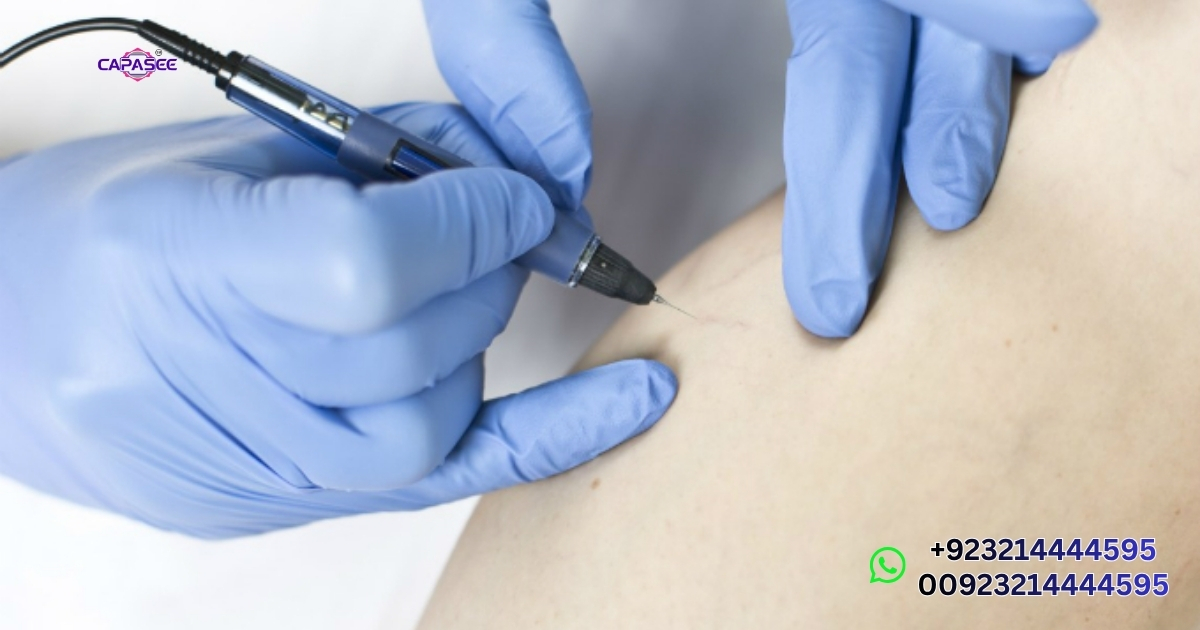
One of several professional options for removing warts is electrocautery, but not necessarily the best alternative. Treatment will vary depending on the type of wart, its location, the patient’s health, and past results of treatment.
For instance, a tiny, persistent hand wart might be a good candidate for electrocautery, whereas a plantar wart may require another method depending on its depth and the health of the surrounding skin. Patients can discuss realistic treatment options with their dermatologist when comparing electro cautery for warts removal with other treatment methods.
Electrocautery vs Cryotherapy, Salicylic Acid, and Laser Treatment
Electrocautery is a technique used to treat warts that is different from other wart treatments in that it damages the warts, affects the healing process, and changes the number of sessions required. Some of their key features are contrasted in the following comparison.
| Treatment | How it works | Sessions | Important consideration |
| Electrocautery | Uses controlled electrical heat to destroy wart tissue | Selected lesions may need one session | Can cause wounds, scarring and pigmentation changes |
| Cryotherapy | Freezes wart tissue, commonly using liquid nitrogen | Often requires repeated sessions | May cause blistering, pain and temporary discoloration |
| Salicylic acid | Gradually removes affected skin layers | Usually requires consistent application over several weeks | Requires patience and regular treatment |
| Laser treatment | Uses concentrated light energy to destroy targeted tissue | Depends on wart characteristics and laser type | May involve higher costs and specialized equipment |
- Electrocautery: This technique eliminates the visible tissue from warts and can be used with certain persistent growths. But there are precautions for wound care and scarring that should be considered before choosing electro cautery for warts removal.
- Cryotherapy: This involves freezing, which is often necessary for regular warts but may require more than one treatment. There may be temporary blisters and pain.
- Salicylic acid: This will slowly peel away the affected skin and is sometimes used to treat common warts. It is less likely to cause damage and is more likely to require repeated applications.
- Laser treatment: In some cases, warts that are very large or hard to treat may be treated with a laser. The availability, equipment, and treatment costs can affect the choice.
The treatment fee differs from clinic to clinic as well as from one city to another in Pakistan. Patients should consider the total treatment cost; consultation, procedure, medication, and follow up, instead of just the price when considering electro cautery for warts removal.
Who Is a Good Candidate for Electrocautery Wart Removal?
For those who have persistent, troublesome, or recalcitrant warts, electrocautery may be appropriate following diagnosis by a dermatologist. Can be performed when other treatment options have not been effective or when direct removal is clinically suitable.
When a patient is in the following conditions, they may be considered for treatment:
The skin growth has been properly diagnosed as a wart.
Comfort, irritation, or repeated trauma is caused by the lesion.
Topical treatments have not been effective.
The size and location of the wart enable it to be treated safely.
The patient has knowledge of the potential for scarring and recurrence.
Appropriate wound care and follow up are possible.
Some health issues, however, do need extra evaluation prior to treatment. Diabetics, individuals with poor circulation, compromised immunity, or impaired wound healing may be at higher risk for complications and require a specific treatment regimen before electro cautery for warts removal.
Any unusual, changing, bleeding, or irregular skin growths should also be examined by a dermatologist before being destroyed. These lesions may not need to be cauterized immediately but will need further evaluation or biopsy.
It is crucial for patients in Pakistan to select the right dermatologist and the right clinic that is equipped with the right tools and proper practices in place when it comes to infection control. While the clinician’s decision on diagnosis and treatment is still the primary responsibility, Capasee Electro Medical Engineering also highlights the importance of the maintenance of electro medical technology and equipment in professional healthcare environments.
Frequently Asked Questions (FAQs)
What is the electrocautery procedure for warts?
Electrocautery involves using controlled heat from special equipment to kill growth that needs to be removed from the warts under the care of a medical professional.
What is the best machine for removing warts?
For professional use, a medical grade electrocautery that has appropriate power control, accessories, and safety devices is needed.
How many days to heal cauterized warts?
Most of the treated areas heal within 14 to 28 days, with a longer timeline for deeper wounds.
Which method is best for warts removal?
Treatment varies by the type, location, and size of the wart and the patient’s health, with the best options being some topical treatments and cryotherapy.
What is electrocautery wart removal?
It is a medical process that involves the destruction of the visible tissue of a wart under controlled electrical heat.
Does the procedure hurt?
Local anaesthetic will typically minimise procedural pain, although patients may feel some soreness post treatment.
Will electrocautery leave a scar?
Scars can occur, especially in deeper treatments, but with careful technique and wound care, the risk of scarring can be minimised.
Can warts grow back after electrocautery?
Yes, warts can come back, as HPV may not be eliminated from healthy skin surrounding the visible warts.
Conclusion
The first step to choosing the right wart removal treatment is to know its advantages, drawbacks, and possible side effects. Electro cautery for warts removal is a treatment that can be used for certain types of warts, but the decision of the individual must be made by a qualified dermatologist.
Before going further, keep in mind three key points:
- Effectiveness: Treatment kills warts, but they can come back.
- Safety: Complications are minimised by appropriate equipment, skill, and aftercare.
- Alternatives: You have options like cryotherapy, salicylic acid, and laser therapy.
For professional treatment or if you are looking at a quality electrocautery system, reach out to Capasee Electro Medical Engineering to find out which electro medical equipment is suitable and which equipment is available to make the treatment process easier in the clinical environment.

One thought on “Electro Cautery for Warts Removal”