What Is The Difference Between Cautery And Diathermy

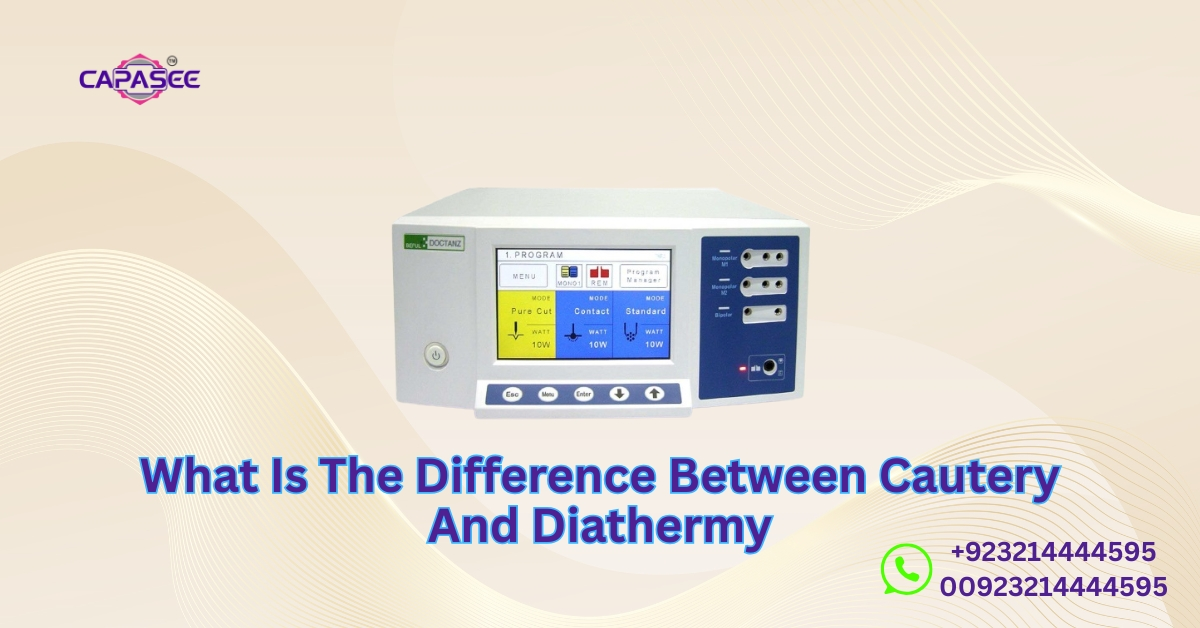
Do you not understand the difference between cautery and diathermy? You’re not the only one. A lot of individuals don’t know what makes these two words different, especially when it comes to medical operations. When you’re attempting to figure out their particular duties, it might be annoying when the information seems to be all over the place.
We’ll explain the main differences between cautery and diathermy in this blog post. We’ll talk about how they function, where they’re utilized, and why it matters. By the conclusion, you’ll know exactly what the two are and how to tell them apart. Let’s get started straight now.
Difference Between Cautery and Diathermy: Capasee
Cautery and diathermy look similar, yet they do different things in surgery. The difference between cautery and diathermy lies in how they achieve tissue cutting or coagulation. Cautery tools cut or coagulate tissue with heat, while diathermy uses electrical currents to do the same thing. Both are quite important for current procedures, although they work in different ways.
Electrosurgical tools like diathermy and electrocautery are very important for medical treatments. They use numerous ways to cut or coagulate tissue. Capasee Electro Medical Engineering stresses the need to know the difference between cautery and diathermy to use these technologies properly and ensure surgery is safe and works.
Electrocautery vs Diathermy: Key Functional and Safety Differences with Capasee Insights
The fundamental difference between cautery and diathermy is how they create heat. Diathermy employs electrical current directly to heat the tissue, while electrocautery uses heat from an outside source. Capasee said that both technologies have their own safety rules to keep tissue harm to a minimum during treatments.
During surgery, tissue removal is normally associated with electrocautery, but the diathermy is more acceptable in cutting and coagulating tissue precisely. Knowledge of the distinction between cautery and diathermy can assist in making sure that electrical tissue cutting tools and cautery instruments are used safely and achieve positive surgical outcomes and mitigate risk. We provide specialists with valuable knowledge to assist them.
Bipolar Electrocautery Advantages and Monopolar Diathermy Uses in Modern Surgery
Bipolar and unipolar diathermy have differences in the way they act. Bipolar electrocautery will only touch specific parts of tissues, minimizing harm and ensuring that it is done properly. Monopolar diathermy, however, is applied to larger incisions and in terms of avoiding bleeding. The importance of understanding the distinction between cautery and diathermy is to allow selection of the appropriate technique in particular surgeries.
In contemporary medicine, bipolar electrocautery is used when making sensitive surgeries, whereas monopolar diathermy is used when carrying out bigger surgeries. The methodology adopted is dependent on factors such as tissue nature, procedures aimed at coagulating the tissues, as well as the general plan of the surgery. Capasee discusses the differences and advantages of each and the distinction between cautery and diathermy in each of the particular surgical uses.
Surgical Cutting vs Coagulation Techniques at Capasee Electro Medical Engineering
Diathermy is very important for cutting and coagulation methods in surgery. According to Capasee Electro Medical Engineering, electrosurgical devices use targeted heat or electrical current to do these things, which makes them more efficient. Understanding the difference between cautery and diathermy can guide the proper application of these methods.
Surgical coagulation is a technique that involves heat to cut off blood vessels and assist in bleeding control. Cautery and diathermy have their different levels of accuracy in the aspect of prevention of tissue in electrosurgery. To obtain positive outcomes with thermal surgery, it is important to understand the distinction between cautery and diathermy when selecting an appropriate instrument.
Table: Key Differences Between Cautery and Diathermy
| Feature | Cautery | Diathermy |
| Heat Source | External heat source | Electrical current |
| Primary Use | Tissue removal | Tissue cutting and coagulation |
| Risk of Damage | Limited to burning | Can cause deeper tissue damage if not used properly |
| Precision | Less precise in larger cuts | More precise, especially with bipolar diathermy |
| Safety Measures | Requires careful monitoring to avoid burns | Requires proper grounding and electrode placement |
Safety, Mechanism, and Postoperative Outcomes of Diathermy and Cautery

Both cautery and diathermy are routinely employed in modern surgery, yet they act in different ways. The difference between cautery and diathermy lies in their energy source, diathermy uses electrical currents to cut or coagulate tissue, while cautery tools employ heat from an outside source to remove tissue. Both are important, but how they are used depends on the type of surgery.
We provide significant details regarding electrosurgical tools that ensure that the surgery is safe and effective. It is necessary to understand how to apply surgical coagulation techniques and learn about the distinction between cautery and diathermy, as it is required to achieve the optimal outcomes in the treatment of patients during electrosurgery. Both methods require the appropriate training and equipment to prevent issues such as burns and tissue damage.
You May Also Read This Blog: Is Cauterizing A Wound Painful
Safety Measures in Diathermy: How Capasee Electro Medical Engineering Ensures Risk Free Procedures
It is important to be safe during cutting and coagulation during diathermy. Capasee Electro Medical Engineering is an institution that focuses on the safety of cautery tools as a measure of mitigating risks in the operating room. Recognizing the difference between cautery and diathermy ensures proper use and reduces complications. Close attention should be paid to bipolar and unipolar diathermy tools to prevent excessive heat and tissue damage.
Medical electrical devices should be inspected and serviced on a regular basis. Capasee also makes sure that all the electrosurgical equipment is in good condition, and the probability of complications is reduced. Surgeons should take all the necessary measures to ensure that patients are not exposed to burns and other forms of injuries caused by the use of electrical tissue cutting procedures.
Mechanism of Diathermy Heat Generation and Its Impact on Surgical Efficiency
The way diathermy makes heat is very important for its capacity to make precise incisions and seal tissue. In monopolar diathermy, the electrical current goes through the tissue and returns to the device. In bipolar diathermy, the current is limited to a smaller area, which makes it easier to manage. The difference between cautery and diathermy in how they generate heat plays a major role in surgical efficiency.
It is clear that thermal surgery tools have an effect on operation, especially when it comes to reducing bleeding. Surgeons employ diathermy to make sure that tissue coagulation techniques are done correctly, which leads to better surgical results. The exact application of heat can also cut down on the number of extra treatments needed, which speeds up the recuperation process for patients.
Postoperative Pain and Secondary Hemorrhage Rates: Comparing Outcomes of Cautery and Diathermy
The rates of postoperative pain and secondary hemorrhage may be different in case of using the cautery tools and diathermy. The difference between cautery and diathermy contributes to the varying degrees of tissue trauma. The use of cautery can further destroy more tissues resulting in increased pain and prolonged healing. Diathermy on the other hand provides more controlled cutting and coagulation which may result in minimal tissue trauma.
The patients who experience diathermy procedures usually lose less blood, and this decreases the possibility of future hemorrhage. Electrosurgery using electrosurgical equipment to prevent tissue damage enables a less traumatized recovery process and reduces postoperative complications than the surgical use of cautery.
Electrosurgery Unit vs Cautery Machine and Surgical Tools
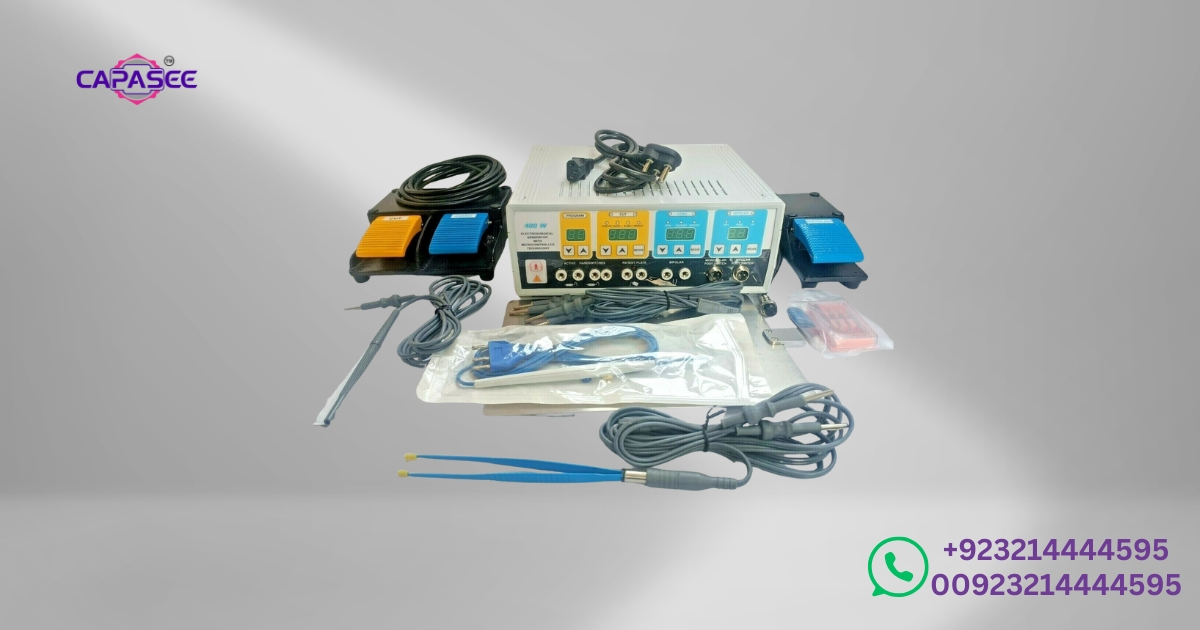
The difference between cautery and diathermy is necessary to select the appropriate tools to use in surgery. Electrosurgical instruments and cautery tools differ in their mode of operation, heat generation and their efficacy in the operating room. They have very different things that they do, though they are important in cutting and coagulating tissue.
Capasee Electro Medical Engineering uses the comparison between the electrosurgery unit and other normal cautery equipment to ensure that the correct surgical method is selected. When using the cautery equipment, it is highly necessary to observe safety measures to reduce the risks. Electrosurgicals, however, provide additional precision and control in delicate surgeries.
Read More: Our Products
Differences Between Electrosurgery Unit and Cautery Machine: What Sets Capasee Devices Apart
Electrosurgery units are more accurate and flexible than cautery machines. Electrosurgical equipment uses high frequency electrical currents to cut and coagulate, while surgical cautery uses direct heat to remove tissue. The difference between cautery and diathermy becomes important when evaluating precision and application in different surgical contexts. Capasee Electro Medical Engineering makes sure that these gadgets are built to give you the most control and safety.
When you look at how each tool works, the difference between cautery and diathermy becomes evident. You can change the cutting depth with electrosurgical equipment, while cautery machines are more generic and brutal. This is why electrosurgery equipment is great for more complicated surgeries.
Intraoperative Blood Loss With Electrocautery vs Hemostasis with Bipolar Diathermy
Bipolar diathermy can greatly lower the amount of blood lost during surgery. This tool lets you use more precise tissue coagulation procedures by focusing on smaller areas. The difference between cautery and diathermy in terms of bleeding control is evident here. Bipolar diathermy causes less bleeding than electrosurgical equipment, which can cause more damage to the skin.
Bipolar and unipolar diathermy both have their pros and cons. However, bipolar diathermy is better in stopping bleeding because its current is more directed. Surgeons utilize electrosurgical tools to produce heat during surgery, which lowers the risks of blood loss and makes the surgery go better.
Surgical Tools Comparison: Scalpel, Cautery, and Diathermy – Choosing the Best for Your Surgery
When it comes to surgical tools for heat treatment, each one has a unique job to do. Scalpel is great for making accurate cuts, and cautery tools are used to cut tissue and stop bleeding. Diathermy is quite useful since it can both cut and coagulate. The difference between cautery and diathermy helps determine which is better for minimizing tissue damage during electrosurgery.
The type of tool you require for your surgery depends on how much harm to tissue needs to be avoided during electrosurgery. We will help you choose the right device by making sure that surgical coagulation procedures and patient safety come first.
FAQ’s
Are diathermy and cautery the same?
No, diathermy employs electrical currents to cut and seal tissue, while cautery uses heat to remove or seal tissue.
What is diathermy used for?
Surgeons utilize diathermy to cut, coagulate, and stop bleeding by sending high frequency electrical currents across the body.
What is the difference between diathermy and monopolar?
Monopolar diathermy uses one electrode to let current flow, but bipolar diathermy uses two electrodes, which makes it more accurate.
What is another name for surgical diathermy?
Electrosurgery or electrocoagulation are other names for surgical diathermy.
What are the three types of diathermy?
Monopolar, bipolar, and shortwave diathermy are the three forms of diathermy.
Final Thoughts
To identify the appropriate tool to use in surgery, it is necessary to know what is the difference between cautery and diathermy. Whereas cautery employs direct heat to either remove or cauterize tissue, diathermy employs electrical currents to either cut or coagulate tissue. They both have pros and cons, and diathermy is more precise and versatile, especially regarding bipolar equipment. Selecting the right technique, the surgeons are able to reduce risks and improve patient outcomes and ensure that the electrosurgical equipment is safe and effective in different medical procedures, as well as the cautery equipment.