
Cautery Pen

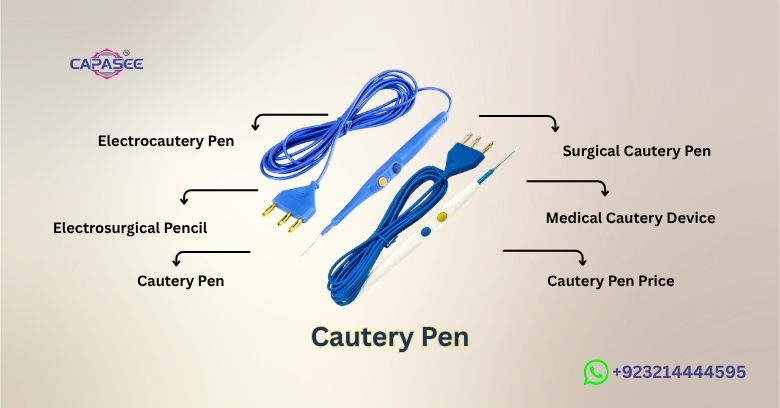
The choice of one small handheld instrument can mean the difference between a clean procedure and a slow, messy one. The tool is the cautery pen. Many clinics and first time buyers in Pakistan do not have the idea of distinguishing between a reliable and an inexpensive device, and when it breaks, they receive no attention from local service in this country. As the day care surgery centres, derma clinics, and ENT doctors are mushrooming in Lahore, Karachi, Islamabad, and smaller cities, demand continues to rise.
This guide explains what a cautery pen is, which procedures it suits, what to look for before buying, and the local price range you can find here. You will come away with a clear idea about what to purchase and what to avoid. Capasee Electro Medical Engineering has prepared this guide for Pakistani buyers to assist them in making the right choice.
What Is a Cautery Pen and How Does It Work?
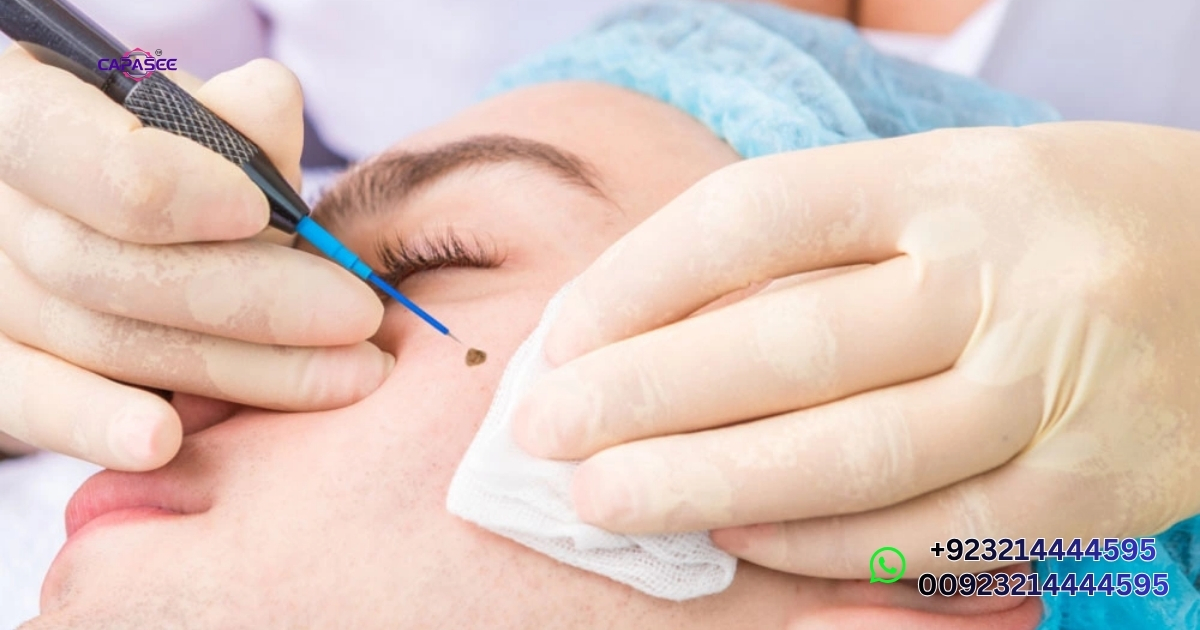
A cautery pen is a handheld surgical instrument that uses heat or the flow of electrical energy to cut tissue and prevent bleeding. It provides a stable and accurate grip for surgeons, like a pencil.
It functions in two ways. Thermally operated versions cause a small tip to glow when heated; electrosurgical versions send high frequency current through the tissue. Capasee Electro Medical Engineering assists clinics in Pakistan in selecting the appropriate style for their procedures.
Cautery Pen Meaning: Electrosurgical Pencil Explained for Pakistani Clinics
An electrosurgical pencil is another name for a cautery pen. It supplies the energy to a fine tip that cuts tissue or seals small blood vessels when it comes into contact with them.
Most models feature buttons to switch modes and tips that click in and out. For instance, a Multan dermatologist can get rid of a skin tag in less than a minute with a minimum amount of bleeding.
How a Cautery Pen Works: Cutting, Coagulation, and Hemostasis
The pen uses constant energy in cutting mode, which cuts the tissue along a clean line, vaporizing the tissue. In coagulation mode, it gives pulsed energy, which helps in sealing vessels without cutting them.
Monopolar pens transmit the current from the patient to a return pad. Bipolar pens conduct current from two tips, thus maintaining local energy, and are appropriate for sensitive regions. The importance of hemostasis is that the surgeon will have a cleaner work area and the patient will have a quicker recovery time.
Here’s another blog you can read: Electric Cautery Machine Price in Pakistan
Cautery Pen Uses in Surgery, Dermatology, ENT, and Dental Care

Use a cautery pen to remove small skin lesions, to control bleeding, and to shape soft tissue. Hence, it is found in nearly all minor procedure rooms.
Various specialities require various tips and power levels. The dentist requires a thin pencil for difficult to reach areas; the general surgeon requires more power for deeper tissue.
Medical Uses of a Cautery Pen: Skin Tags, Warts, Moles, and Minor Surgery
These pens are used in dermatology clinics to remove warts, moles, skin tags, and small, benign lesions. The fine tip on a low setting allows for treatment without injury to surrounding skin.
For minor surgery rooms, they are used as a means of closing small bleeding points after an incision. This is better than having to tie off each vessel individually.
Surgical and Clinical Applications: General Surgery, ENT, Dental, and Veterinary Use
A general surgeon uses the pen in operations involving incisions, dissection, and blood clotting. ENT doctors use this to control frequent nosebleeds and to carry out minor tissue procedures, such as a nose biopsy, precisely.
This is used by dentists to contour soft tissue and by veterinarians for minor procedures on animals. A busy veterinary clinic will prefer disposable pens because they reduce sterilization time between patients.
Cautery Pen Uses by Medical Specialty
| Specialty | Common Cautery Pen Applications | Recommended Capability |
| Dermatology | Wart, mole, skin tag, and lesion removal | Fine tip precision and low power settings |
| General surgery | Incision, dissection, and bleeding control | Reliable cutting and coagulation modes |
| ENT | Nosebleed control and minor airway or tissue procedures | Controlled coagulation and fine electrode tips |
| Dental | Soft tissue contouring and minor oral procedures | Compact pencil design and precise activation |
| Veterinary | Minor surgical procedures and hemostasis | Durable reusable or disposable options |
Your clinic could be in one of the above groups; if so, Capasee can match you with a pen that suits your daily caseload and budget.
Types of Cautery Pens and Which One Is Best for Your Clinic
The ideal cautery pen will vary based on your caseload, your sterilization equipment, and your budget. Generally, disposable or battery operated pens work well in busy dermatology rooms, whereas a hospital that has an autoclave will be better served by a reusable pen.
Begin with three questions. How many patients do you see in a day, are you able to sterilize instruments on site, and do you already have an electrosurgical unit? You start to whittle down the choices with your answers.
Disposable vs Reusable Cautery Pen: Cost, Hygiene, and Safety Comparison
The disposable cautery pen is sterile and goes in the waste after each patient, therefore eliminating the possibility of cross contamination. It is more expensive for each procedure but does not require cleaning, so it is a favorite of some small offices that do not have an autoclave.
A reusable cautery pen is expensive and will save money for each case if it is properly sterilized and the electrodes replaced when they wear out. A hospital performing 30 minor procedures per day can expect to make back the additional purchase cost in a couple of months. But it’s discipline. If you don’t get the sterilization right, your savings plan is just a risk of infection.
Monopolar, Bipolar, Battery Operated, and High Temperature Cautery Pens
The monopolar pen is plugged into the electrosurgical unit, which passes the current through the patient to the grounding pad. It works well for general cutting and coagulation, but the pad has to be positioned correctly on each occasion.
This bipolar pen ensures uniform contact between two tips and is ideal for fine surfaces and reduces stray current. A pen that works on batteries does not require an ESU, which is beneficial in field clinics and for rapid skin procedures, but watch the battery life. Devices that are cauterized at high temperatures first heat a tip of the wire directly and are good for sealing small vessels, but they do not cut like an electrosurgical pencil.
Cautery Pen Types and Best Use Cases
| Cautery Pen Type | Best For | Key Buying Consideration |
| Disposable cautery pen | Clinics needing sterile, single patient use | Lower cross contamination risk |
| Reusable cautery pen | Hospitals with sterilization facilities | Autoclave compatibility and electrode replacement |
| Monopolar cautery pen | General surgical cutting and coagulation | Requires a compatible ESU and grounding pad |
| Bipolar cautery pen | Precision work near sensitive tissue | Lower stray current risk |
| Battery operated cautery pen | Dermatology, field clinics, and minor procedures | Battery life and tip availability |
Cautery Pen Price in Pakistan and Where to Buy from Capasee
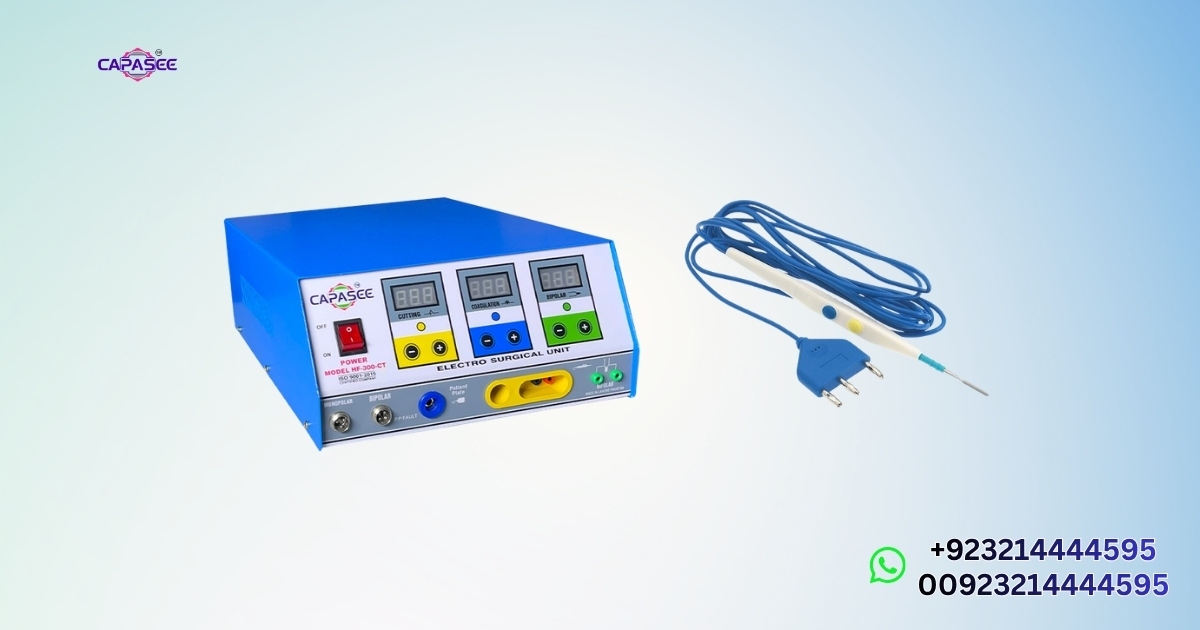
There are many reasons for the variation in cautery pen prices in Pakistan, as the type of pen, the power source, tips of the pen, etc., have an impact on the final price. According to the cautery machine guidance made by Capasee, entry level electrocautery equipment can be purchased for around PKR 40,000, while advanced diathermy systems will be significantly more expensive.
Consider the entire rig, not just the pen. A poor quality unit that requires a lot of tips to operate is more expensive than a nice unit that will only need tips.
See More & Buy: Our Products
Cautery Pen Price in Pakistan: What Affects Cost for Hospitals and Clinics
There are several reasons that affect the price movement. You can get a disposable pen for less per unit, but it will get quite expensive over time, and a reusable pen will cost more initially. Also, factors like power compatibility, electrode tip range, build quality, and warranty period are quite important.
Bulk purchasing reduces the per unit cost, benefiting hospitals and group practices. A clinic that places an annual order for disposable pens may get a better price compared to a clinic that is reordering pens monthly, for instance. Before comparing quotes, always ask questions about what is included.
Buy Cautery Pen from Capasee Electro Medical Engineering: Specifications, Support, and Delivery
Capasee Electro Medical Engineering provides electro surgery equipment like cautery pens to clinics and hospitals in Pakistan. Our team can match your pen to your ESU and your procedures to your sterilization capacity, so you don’t buy what you will not use.
We also advise you on which accessories, tips, and grounding pads are compatible, and on the terms and conditions of the warranty and support before you order. Orders are shipped nationwide, and bulk buyers can inquire about special pricing. Call Capasee today for a quote or to speak regarding a bulk order for your hospital or clinic.
Frequently Asked Questions
What is a cautery pen used for?
A cautery pen burns tissue and coagulates small blood vessels, primarily when performing minor surgery and skin procedures.
What is an electrocautery pen?
An electrocautery pen is a hand held device that uses electrical current to heat the tip to a fine size and seal tissue.
Is cauterization painful?
Rarely, since the area is numb. Some mild pressure or stinging may be felt, and there may be some tenderness afterwards.
What is cautery used for?
Cautery is a technique that stops bleeding, such as nosebleeds, and destroys abnormal tissue by applying controlled heat.
What are the other names for a cautery pen?
It’s also known as an electrosurgical pencil, diathermy pen, electrocautery pen, or ESU handpiece, depending on the clinic or supplier.
What procedures use a cautery pen?
Some of the common procedures are the removal of warts, moles, nosebleeds, bleaching the gums during dental soft tissue surgery, and stopping blood from flowing during surgery.
How do you use a cautery pen for skin tags?
A trained doctor numbs the area, after which they make short touches with the fine end of the tip into the base of the tag.
Does electrocautery leave a mark or scar?
Can cause a slight light or dark spot, and there is a risk of scarring with deeper treatment. Wearing sunscreen speeds up the healing process.
Do warts come back after electrocautery?
Yes, they can. The virus may still be present in the nearby skin, so repeated treatment is sometimes necessary for the warts.
What should you not do after electrocautery?
Avoid picking the scab, soaking it, or exposing it to the sun. Keep it clean and dry.
Conclusion
The right cautery pen comes down to three things; matching the type to your procedures, choosing between disposable and reusable based on your sterilization setup, and checking that the pen fits your electrosurgical unit before you pay. Get these right, and you protect your patients, control your running costs, and avoid buying a device that sits unused.
Capasee Electro Medical Engineering can help you choose a cautery pen that suits your clinic or hospital, and we are ready to send a quotation or handle a bulk order. Call or message our team today and tell us what procedures you perform. Every good result in the operating room starts with the right tool in a steady, trained hand.

3 thoughts on “Cautery Pen”