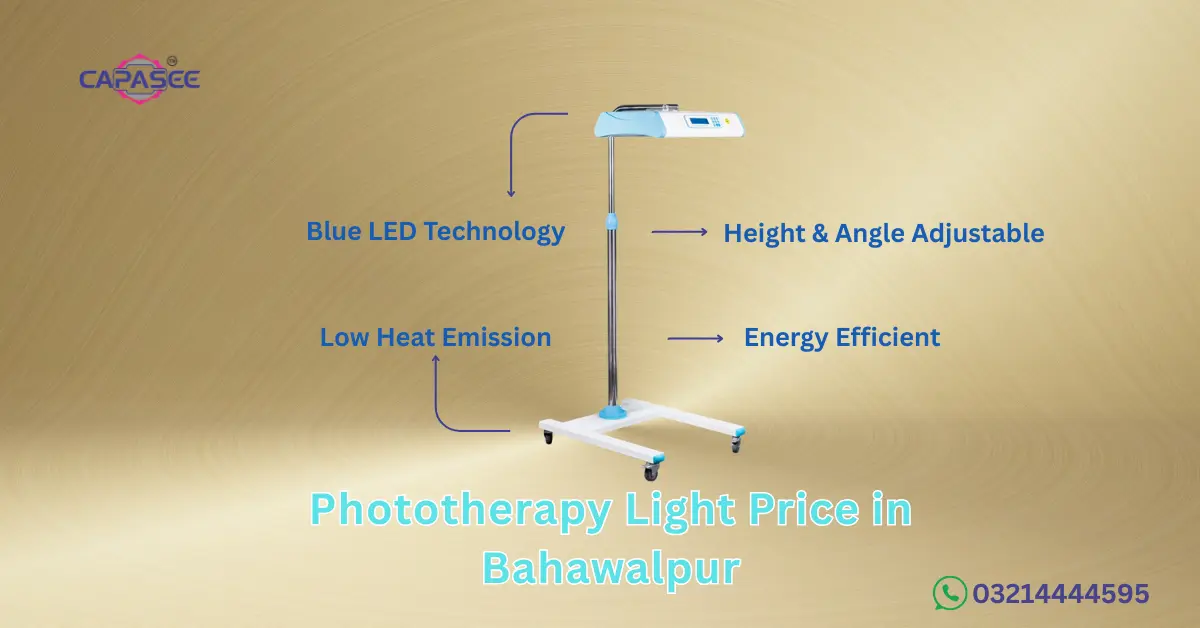
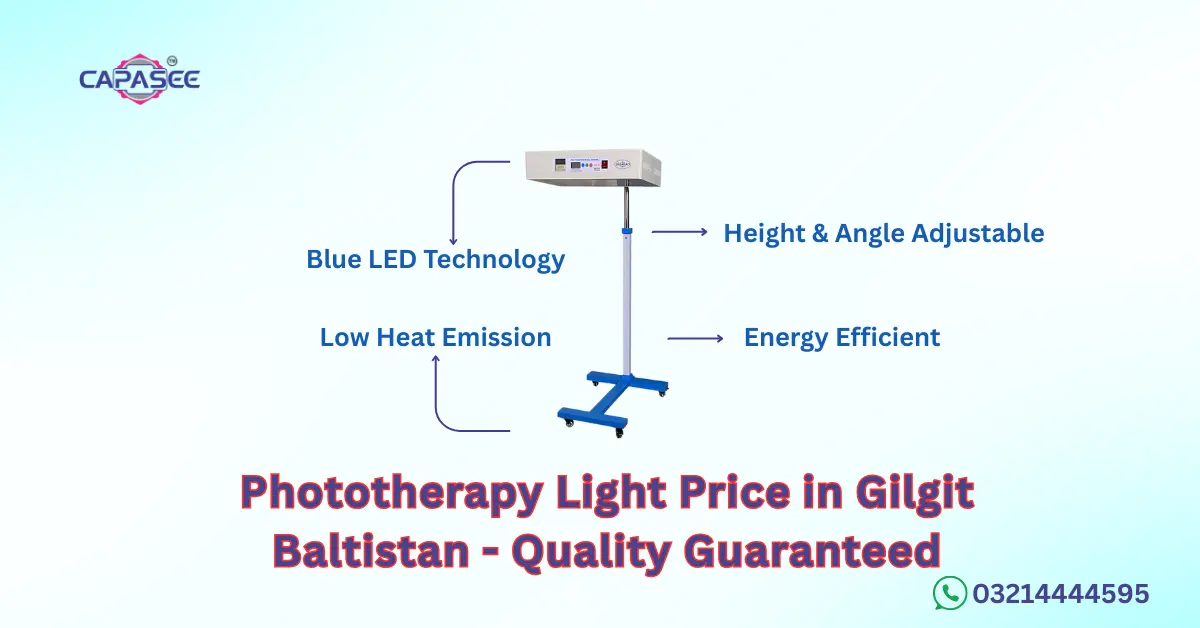
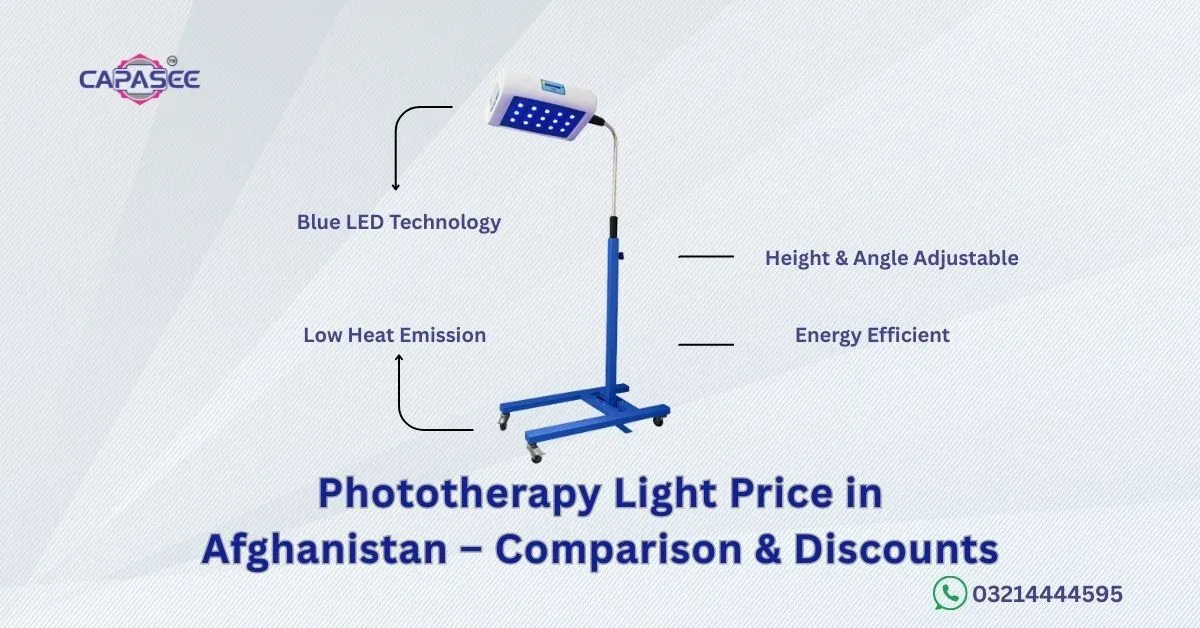
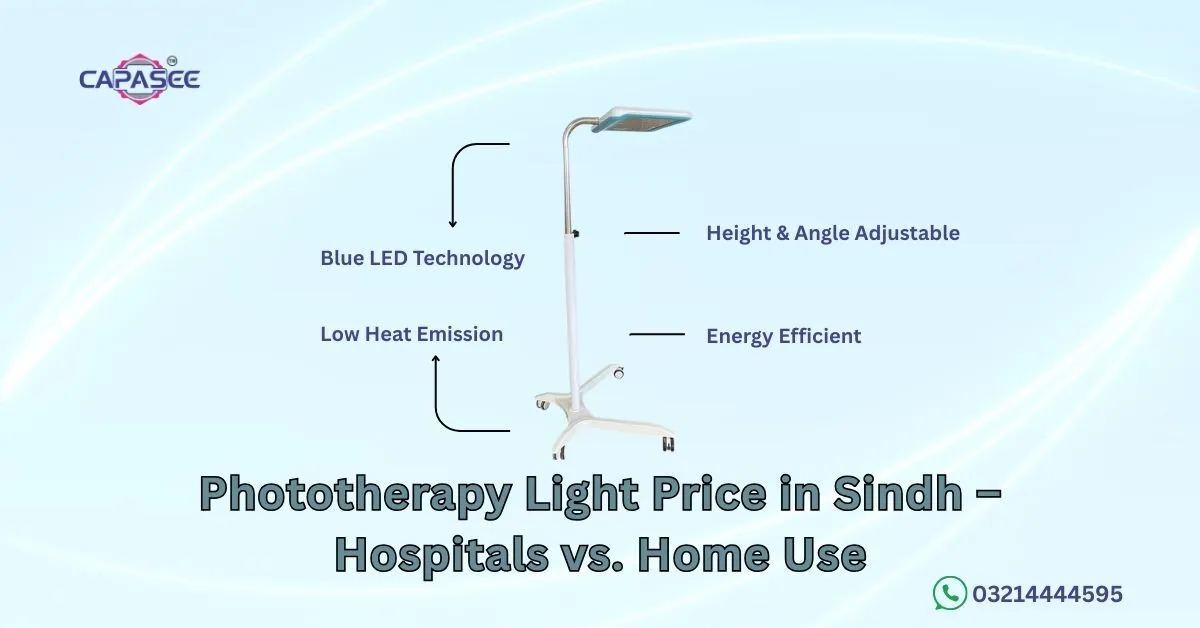
Phototherapy Light for Jaundice: Uses, Benefits & Nursing Guidelines

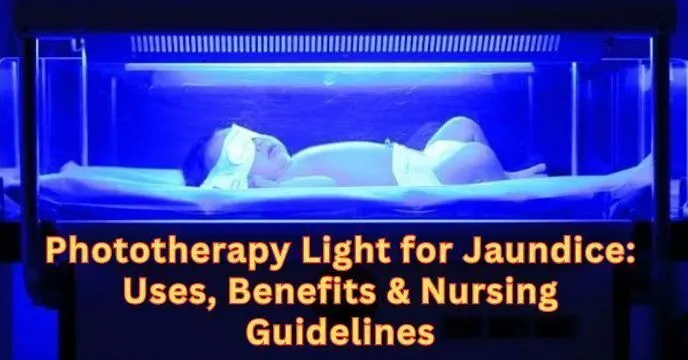
When you read this article, you’re probably feeling anxious, particularly if you’re baby was recognized as suffering from jaundice. The idea of putting your infant under bright light is a little anxious. As the parent it is your goal to make your child be better. But you may be thinking, what’s the point of using the phototherapy light for jaundice and is it effective?
In this article we’ll explain the concept of phototherapy light for jaundice and how it aids in treating and the reasons it is often suggested for infants. At the end of this blog you’ll have a thorough comprehension of how this therapy performs, and be confident about the treatment your child is receiving. Keep reading to find out the simple but powerful solution will bring peace of mind in a stressful moment.
What is Jaundice and Phototherapy?
Phototherapy light for jaundice is an extremely common issue in infants. It can cause yellow eyes and skin. This occurs when the bilirubin in serum builds up in blood. The liver of newborns isn’t fully mature and therefore cannot disintegrate bilirubin that is not conjugated rapidly. This can lead to hyperbilirubinaemia which is potentially harmful when not treated promptly.
Phototherapy is the preferred method for treating jaundice in children. A specific light source, either blue or green can help break down bilirubin and convert it into harmless components. The remaining parts are eliminated through stool and urine. Phototherapy using LED is both safe and efficient. It decreases the chance of developing kernicterus as well as Bilirubin Encephalopathy, which are two grave brain diseases. Instruments like those of the neoBLUE(r) Phototherapy Unit as well as the BiliSoft(tm) biliblankets are frequently employed in hospitals.
Phototherapy for Neonatal Jaundice
Doctors utilize SBR (Serum Bilirubin Reading) and the bilirubin chart in order to determine whether a child requires phototherapy. The treatment is determined by the gestational age, weight and the risk factors for jaundice such as G6PD deficiencies, ABO Incompatibility or Prematurity. Kramer’s Rule can also be used to detect physical signs of jaundice. A proper assessment of neonatal health as well as SBR monitoring are vital.
The babies receiving phototherapy remain in a warm, sterile incubator to maintain a neutral temperature. Eye protection is employed to safeguard against retina damage. Nurses monitor for loss of fluid while phototherapy and ensure that the baby is well fed. In the case of severe cases, doctors may recommend a transfusion exchange when bilirubin levels remain high. Parents receive the proper information about breastfeeding, feeding infants and jaundice, and at home treatment after the discharge.
Definition of Terms
Phototherapy light for jaundice is a treatment that uses light to treat neonatal jaundice. It assists in breaking down unconjugated, bilirubin that is present in the infant’s body. A high level of serum bilirubin may cause hyperbilirubinaemia. This can cause kernicterus as well as the encephalopathy of bilirubin. The light used for treatment is usually blue green, which transforms bilirubin into a form that the body can easily get rid of.
The use of LED light therapy for infants is often employed in hospitals. Devices such as that of neoBLUE(r) Phototherapy Unit as well as the BiliSoft(tm) biliblankets are safe for infants. The phototherapy units can lower the levels of bilirubin in infants without creating damage to. A special eye protection system is employed to prevent retina damage while undergoing treatment.
Aim
The primary goal of using the use of phototherapy light for jaundice, is reduce levels of serum bilirubin for neonates. The early and effective treatment helps reduce the risk of toxicity from bilirubin or brain injury. In a lot of cases the treatment for neonatal jaundice using light can avoid the need for exchange transfusion. This is only required when bilirubin is very high.
It also assists in preventing kernicterus and aids in the recovery of babies. The newborn baby’s phototherapy helps keep them steady by ensuring a neutral thermal environment within an incubator. By monitoring their neonatal health doctors must adhere to the bilirubin chart the SBR (Serum Bilirubin Reading) as well as Kramer’s Rules to begin and stop treatment when it is appropriate.
Assessment
Doctors begin by performing an entire neonatal assessment. They assess the levels of bilirubin for infants and skin color, as well as feeding habits, as well as body temperature. The Kramer scale shows how much of the infant’s entire body has yellow. Tests of blood like that of serum bilirubin tests can confirm the severity of jaundice. This can help guide treatment options.
Risk factors forPhototherapy light for jaundice that are important that are important risk factors for jaundice in Pakistan are G6PD insufficiency ABO Incompatibility and prematurity and jaundice in breast milk. The babies require more attentive care. Doctors also look out for losses of fluids during phototherapy and regulate the temperature of newborns to prevent dehydration. Education for parents plays an important part in the ongoing newborn Jaundice treatments at home.
Investigations
Before beginning phototherapy light for jaundice, doctors test the bilirubin levels in the serum using the test for serum bilirubin. They utilize the bilirubin chart as well as the SBR (Serum Bilirubin Reading) to assess the baby’s health. The distinction between conjugated and unconjugated conjugated bilirubin can help guide the best treatment of neonatal jaundice in infants.
Neonatal screening includes examining for bilirubin toxicity and skin color, using Kramer’s Rule and for any indications of bilirubin related anencephalopathy. In cases of severe concern tests such as the sepsis screening might be required. A proper monitoring of neonatal health ensures the an early and safe usage of phototherapy in newborns, specifically in intensive care for neonates.
Risk Factors
Certain phototherapy light for jaundice risk factors raise the chance of having severe hyperbilirubinaemia. These include deficiency of G6PD, ABO incompatibility, premature birth, and jaundice in breast milk. Babys with a low gestational age or a low birth weight are at greater risk and require more attention with safe phototherapy techniques.
If not addressed in time These risks can result in kernicterus or exchange transfusion. Utilizing early LED phototherapy for infants as well as the use of eye protectors for babies can help reduce the risk of the risk of damage. Devices such as that neoBLUE(r) phototherapy unit, or BiliSoft(tm) blankets are used to keep the baby inside an incubator that is warm.
Nutrition
The proper feeding of infants can help boost the metabolism of bilirubin in light therapy to treat jaundice. Regular breastfeeding and treatment for jaundice increases the ability of babies to eliminate broken down bilirubin. Nurses keep track of fluid loss when they perform phototherapy, especially infants who are smaller or premature and alter feeding regimens to ensure fluid balance.
A healthy diet also reduces the chance of recurrence hyperbilirubinaemia once treatment has been stopped. Education of parents is essential in teaching parents how to feed their baby properly and look for any signs of jaundice in the home. With a strong approach to managing jaundice in children the majority of babies are able to are able to recover without issues using phototherapy equipment and proper nutrition.
You May Also Read This Blog: Autoclave Machine – Portable, Stainless Steel & Surgical Sterilizer
Phototherapy Management by Capasee Electro Medical Engineering

Capasee Electro Medical Engineering is aiding hospitals across Pakistan with top quality phototherapy light for jaundice. Their devices, like those of the neoBLUE(r) phototherapy device utilize the blue and green light spectrum to help treat jaundice in neonates without risk. This light converts unconjugated bilirubin into a water soluble version, aiding the baby in removing it from the body easily via urine.
These phototherapy units aid in neonatal jaundice treatment, by ensuring an environment that is safe and warm, as well as lessening the need to transfuse exchange. Capasee equipment provides strong lighting while also providing eyes protection for babies. The technology they use follows the guidelines of paediatrics, which ensures proper monitors for neonatal health, and helps with hyperbilirubinaemia management by providing accurate SBR (Serum Bilirubin Reading) levels.
Phototherapy
Phototherapy light for jaundice treatment is a popular and safe method to reduce the levels of serum bilirubin in newborns. It aids in the breakdown of unconjugated bilirubin to a form that is able to pass via stool or urine. This is crucial in preventing kernicterus as well as bilirubin encephalopathy among babies.
Capasee Electro Medical Engineering provides high end LED phototherapy for babies in Pakistan. Their phototherapy devices include their neoBLUE(r) phototherapy device, that makes use of strong blue green light. These devices offer adequate intensity of light, guarantee eyes protection for babies, and aid in maintaining the stability of the thermal environment throughout treatment.
What is Phototherapy?
Phototherapy involves exposure of the newborn’s skin to light that is specially designed in order to reduce neonatal jaundice. It aids the baby’s body eliminate excess bilirubin, particularly when the levels of unconjugated bilirubin are high. This light doesn’t harm the skin, and is controlled with the neonatal monitoring devices.
The therapy is beneficial for jaundice and full term as well as in premature infants. It assists in treating newborn jaundice quickly and safely. The doctor will check the bilirubin charts and use tools such as Kramer’s Rules to begin and stop the treatment. This method avoids major issues such as exchange transfusions, and also helps support the healthy metabolism of bilirubin.
What Wavelength of Light is Used?
Light’s wavelength utilized during phototherapy for babies typically ranges between 430 and 490 nanometers. Blue light therapy is perfect to break down bilirubin isomers. Phototherapy light for jaundice, such as LED offer constant output and minimal power, which makes them suitable for infants with neonatal intensive medical care.
Capasee machines provide specific blue green light that has powerful results. The light penetrates deeply into the skin, and it reduces hyperbilirubinaemia. These devices also aid in maintaining the temperature of neonates, which is vital in preventing the loss of fluid and dehydration in phototherapy.
What Are the Different Colors of Phototherapy Lights?
The most common color used in the treatment is blue. Blue is best in treating bilirubin related toxicity. Certain devices employ white or green lights to provide additional impact. But blue, green lights are the most efficient. Capasee devices adjust light colors according to the baby’s needs as well as their SBR (Serum Bilirubin Reading).
Biliblanket vs. phototherapy light usage is also a factor. The BiliSoft blanket emits gentle light via pads, whereas devices such as those that use the neoBLUE(r) phototherapy device provide the direct overhead illumination. Both of them help eliminate bilirubin but the best option is dependent on the infant’s gestational age and bilirubin levels in the infant.
What’s the Difference Between “Conventional” and “Intensive” Phototherapy?
Conventional phototherapy employs a single light source that is placed near the infant. It’s enough to treat mild jaundice in newborns. Intense phototherapy utilizes greater light intensity and more energy, usually using multiple phototherapy units for infants with extremely excessive SBR readings or with serious hyperbilirubinaemia.
Capasee offers both of these types, that follow the most recent paediatric guidelines. Intense phototherapy is typically required in cases of high risks for infant jaundice like G6PD insufficient as well as ABO incompatibility. These situations require prompt treatment in order to protect the blood brain barrier as well as lower the risk of having to undergo the exchange of blood.
Procedure Details

What Happens Before a Phototherapy Procedure?
Before using a light for phototherapy to treat jaundice, doctors examine babies’ SBR (Serum Bilirubin Reading) via the test of serum bilirubin. It is also used to determine the baby’s weight, gestational date and the possibility of G6PD deficiencies and ABO incompatibility are analyzed. The baby is measured, and Kramer’s Rule or bilirubin chart is used to determine areas of jaundice.
The baby’s eyes and skin are examined for indicators of neonatal jaundice or Kernicterus. Parents are informed on the procedure. The baby is put in an incubator that has an environment that is stable, and the care taken to encourage breastfeeding and reducing jaundice. This assists in monitoring the neonatal condition prior to starting the LED phototherapy process for babies.
What Happens During a Phototherapy Procedure?
During the process it is necessary to place the infant under the blue green light of devices such as such as the neoBLUE(r) phototherapy device as well as BiliSoft(tm) Biliblanket. The newborn phototherapy helps to break down unconjugated bilirubin and convert it into bilirubin isomers that move through urine. This procedure lowers the levels of serum bilirubin in newborns rapidly.
Doctors track the loss of fluid in phototherapy to avoid dehydration. Baby may be wearing only one diaper and soft patches to shield the eyes. Continuous care is provided in order to ensure that the infant is warm. This aspect of neonatal intensive care provides secure treatment and can help avoid bilirubin encephalopathy, or the possibility from exchange transfusion.
Why Are the Baby’s Eyes Covered?
Protection of the eyes for babies is essential when using the phototherapy light for jaundice. The intense light from LED devices for phototherapy can damage the eyes of a baby and cause retina damage. The reason why patches of special design are applied to protect the baby’s eyes throughout all phototherapy treatments.
These patches block light, but they do not affect the your comfort. The eye patch covers also helps in the safe practice of phototherapy. Medical personnel make sure that babies’ vision remains protected during the course of treatment. This procedure protects eyes as well as treating bilirubin related toxicity caused by hyperbilirubinaemia successfully.
How Long Does a Phototherapy Procedure Take?
The duration of phototherapy light for jaundice varies based on infant Bilirubin levels. Most of the time babies stay in the light for between 12 and 24 hours. For more serious cases, such as jaundice in babies who are premature The procedure could be as long as 24 hours, under the supervision of a medical professional.
Doctors utilize charts for newborns as well as regularly SBR monitoring to decide on the timing. Breaks of a few minutes are permitted to feed the infant and clean. A timely and appropriate treatment can reduce the possibility of rebound hyperbilirubinaemia as well as the requirement to set a threshold for exchange transfusion.
How Long is Phototherapy Usually Needed?
The phototherapy of newborns is typically required until the serum bilirubin levels falls to a safe level. This is governed by thresholds of neonatal bilirubin. The majority of newborns improve in 2 to 3 days using constant phototherapy light for jaundice utilizing reliable brands such as neoBLUE’s phototherapy unit.
The duration of treatment is also dependent on the risk factors that cause jaundice, such as hyperbilirubinaemia conjugated or jaundice from breast milk. A proper assessment of neonatal health and management of paediatric jaundice helps determine the most appropriate moment to stop the treatment in a safe manner without causing adverse phototherapy adverse effects in infants.
How Can Phototherapy Be Maximized?
To help the light of phototherapy to treat jaundice more effectively doctors make use of intense LED devices for phototherapy. They cover the skin by utilizing blue and green light. The baby should be kept in the light for at the maximum amount recommended. Breaks should be used only for feeding and to ensure that the treatment is not interrupted.
The baby’s warmth in a neutral temperature enhances the outcomes. Utilizing a BiliSoft blankets on the baby can also help boost the effectiveness of therapy. An early start, appropriate monitoring of the newborn, as well as proper education for parents will speed up recovery and assist in kernicterus treatment with fewer dangers.
What Happens After a Phototherapy Procedure?
After treatment, doctors test serum bilirubin to confirm levels are in good condition. Certain babies might require repeat treatment in the event of rebound hyperbilirubinaemia. Monitoring of newborns continues, particularly for jaundice in infants who are premature or babies with problems with metabolism of bilirubin.
Education for parents plays an important part in therapy. Parents are taught about the signs of bilirubin related encephalopathy, appropriate infant feeding and the care of newborns at home. With the right care, many infants do not require exchange transfusions and fully recover from jaundice in neonatal babies using safe practices for phototherapy.
Risks and Benefits of Phototherapy Light for Jaundice

What Are the Advantages of Phototherapy?
Phototherapy light for jaundice using phototherapy is among the most secure methods for treating neonatal jaundice. It aids in breaking down unconjugated, bilirubin found in baby’s blood. With the help of blue and green light, bilirubin is transformed into bilirubin like isomers, so the baby is able to pass out quickly through stool and urine.
This treatment reduces the levels of serum bilirubin in newborns as well as prevents bilirubin encephalopathy and decreases the chance of developing Kernicterus. It is effective in both full term as well as jaundice in premature infants. Instruments like neoBLUE phototherapy unit as well as BiliSoft blankets help newborns get the most benefit from phototherapy without the need for injections or medicines.
What Are the Risks or Side Effects of Phototherapy?
Certain babies might experience mild side effects of phototherapy like liquid loss due to the treatment, skin irritation or loose stool. In rare instances the procedure can cause retina damage if eye protection in babies is not properly used. It is also possible to overheat when there is no proper temperature control in neonates.
In excess exposure, it can cause hyperbilirubinaemia or dehydration when the treatment is not stopped in time. Monitoring bilirubin levels through the chart and neonatal assessments as well as SBR (Serum Bilirubin Reading) is essential to control the dangers. A careful approach to using phototherapy units and a keen eye on neonatal care will ensure that the results are safe.
Does Phototherapy Pose Any Risk to Caregivers?
The phototherapy light for jaundice that is used in phototherapy is safe for doctors, nurses as well as parents. Equipment like LED phototherapy devices concentrate the blue light therapy exclusively on babies. But adults should refrain from looking towards the lights for prolonged durations as it can cause eye strain.
The release of harmful radiation is not a problem in modern equipment like those used in the neoBLUE therapy unit, as well as BiliSoft(tm) Biliblanket. When properly followed by paediatric guidelines, safety guidelines, and parental education Phototherapy that is safe and secure will protect everyone in the room including family members and caregivers.
Is Phototherapy Safe for Babies?
Yes, phototherapy for babies is considered safe when carried out correctly. Phototherapy devices such as LED specifically designed for infants have been created for babies’ skin and provide the light with safe wavelengths. When performed within an incubator, or a a neutral thermal environment, it can help keep the proper balance of fluids and temperature.
Doctors make use of tools such as the Kramer scale as well as bilirubin charts and routine SBR monitoring to determine the length of time that treatment is required. When you make sure to use eyes protection and safe levels of light and a complete medical treatment the chance of developing toxic bilirubin or exchange transfusions, or complications of phototherapy is minimal.
Read More: Our Products
Recovery and Outlook
What is the Recovery Time for a Phototherapy Procedure?
The majority of babies recover within 24-48 hours after receiving a phototherapy light for jaundice. The treatment reduces the level of serum bilirubin, and also improves the baby’s appearance and nutrition. The speed of recovery is contingent on the gestational age, bilirubin levels in infants as well as the risk factors for infant jaundice such as G6PD incompatibility and ABO incompatibility.
In this phase doctors utilize the bilirubin charts, SBR (Serum Bilirubin Reading) and a neonatal assessments to monitor the progression. A proper monitoring of neonatal health feeding, as well as an uninhibited thermal environment within the incubator are also helpful in speeding up recovery. Instruments such as neoBLUE phototherapy unit as well as LED phototherapy units provide delicate, safe care.
Can Jaundice Come Back After Phototherapy?
Sometimes neonatal phototherapy light for jaundice may return after treatment. This is referred to as rebound hyperbilirubinaemia. It could occur when phototherapy for infants is not stopped early enough, or when there are ongoing problems like jaundice from breast milk prematurity, prematurity, or hyperbilirubinaemia conjugated. Regular follow up with the Kramer scale can prevent severe consequences.
To prevent recurrences To avoid recurrence, doctors recommend monitoring of neonates even after discontinuing the light therapy. Regular blood tests for bilirubin as well as proper infant feeding and ensuring a healthy fluid balance are crucial. If required, a another transfusion or exchange could be administered. Early treatment can prevent the development of kernicterus, bilirubin related encephalopathy and other serious outcomes due to the toxic effects of bilirubin.
FAQ’s
Which light is used in phototherapy for jaundice?
Light blue, or blue green can be used in phototherapy due to its ability to breakdown bilirubin inside the body of the infant.
What level of jaundice needs phototherapy?
Phototherapy is required in cases where serum bilirubin levels are above the safe limit based upon the gestational age of the baby and his health status.
Is phototherapy for jaundice safe?
Yes, phototherapy is safe to babies when administered under medical supervision with proper eye protection and supervision.
Does baby get darker after phototherapy?
Certain babies could appear darker, however it will fade when the phototherapy session has ended.
How do I know if my baby is recovering from jaundice?
The baby is recovering when the yellow color begins to fade as well as the feeding rate improves. Bilirubin levels decrease during tests.
Can baby skin color change from dark to light?
The skin tone can appear more luminous after clearing jaundice However, the true color of your skin is determined by genetics, not on phototherapy.
Conclusion
Phototherapy light for jaundice is a well tested and secure treatment that can reduce levels of serum bilirubin in infants. The treatment uses blue green light in order to breakdown unconjugated bilirubin which can cause serious problems such as Kernicterus and bilirubin related Encephalopathy. If you take care to protect your eyes along with thermal regulation as well as medical attention, babies are able to recover without serious adverse consequences. Knowing the risk factors and adhering to paediatric guidelines will ensure that you get the best treatment. In the end, light therapy for jaundice plays an essential role in treating neonatal jaundice. It aids in protecting infant health and efficiently.
Related product: Neonatal Phototherapy Light Unit in Pakistan