
A Complete Overview of Intensive Care Unit Beds


Made specifically for critically ill patients requiring continuous care, intensive care unit beds are unique hospital beds. These beds occupy a section of the ICU within the hospital. They enable nurses and doctors to monitor patients closely and react fast as needed.
Consider ICU beds as sort of life saving stations. Heart monitors, oxygen units, and alarms alerting patients of changes in their state abound among their instruments. ICU beds are constructed for emergencies and nonstop treatment unlike standard hospital beds.
This post will cover the reasons ICU beds are so important, their working principles, and their variations. We will also discuss the most recent developments and why hospitals ought to be always ready with sufficient of them.
Types of Intensive Care Units (ICUs) and Their Beds

For critical disease patients, ICUs are unique hospital environments meant to provide complete therapy together with rigorous patient supervision. Different medical needs are met by several ICU departments serving patients. For instance, the Medical Intensive Care Unit (MICU) focusses on patients with significant medical conditions whereas the Surgical Intensive Care Unit (SICU) attends to patients recovering from significant procedures. Together with the CCU for heart related medical disorders, the NICU for newborns and PICU for children are the largest specialised departments in intensive care units. By means of specialised critical care equipment and ICU beds, every ICU department satisfies different patient needs.
The degree of care needed determines how capacity and design of ICU beds are set. Whereas Level 3 ICUs provide complete support for patients with multiple organ failures, Level 2 ICUs offer advanced monitoring and support for patients with a single failing organ. Determining the quality of treatment depends mostly on the nurse to patient ratio, in Level 3 ICUs, for constant monitoring, a 1:1 ratio is best. Furthermore stressed in ICU design rules are the need of enough space per bed, usually between 150 and 250 square feet, to fit required tools and enable effective patient care. Maximising patient outcomes and guaranteeing the safety and comfort of both patients and healthcare professionals depend on appropriate ICU layout and infrastructure.
Medical ICU (MICU)
Made for patients with very severe medical issues, such respiratory failure or severe infections, medical ICUs (MICUs) by means of modern patient monitoring in ICU systems and ventilators, these Intensive Care Unit beds support full time care and organ support. Many hospital acute care facilities in Pakistan depend daily on MICU capability for life saving treatments.
Every MICU bed is arranged according to the ICU layout and infrastructure guidelines. Part of a purpose built ICU compliant with Intensive Care Unit design criteria are beds. Nurses, intensivists, and doctors with ICU training and certifications (CCT) round every patient in a multidisciplinary ICU team. Staff members follow best practices for ICU infection control to lower infections, meanwhile, critical care staffing models help to enhance treatment.
You May Also Read This Blog: Top Uses and Benefits of a Medical Crash Trolley
Staffing and Safety in MICU Units
Strong emphasis on nurse to patient ratio drives high ICU staffing standards found in MICU beds. Usually, ICU staffing rules for Level 3 patients call for one nurse for every patient. This promotes complete recovery and helps control great patient acuity. Mechanical ventilation in ICU beds also requires qualified personnel and safe ICU workflow optimisation to safeguard the patient at every level.
For sophisticated care, Pakistani hospitals sometimes make use of tertiary referral ICU centres. These departments cleverly allocate resources in the ICU to guarantee that every patient gets timely, appropriate treatment. Teams maintain patients stable with ventilator support in ICU. Strong infection control in critical care settings, improved ICU cost control, and tele ICU and remote monitoring today enable Pakistani hospitals to provide safer, faster treatment with better outcomes.
Surgical ICU (SICU)
Special areas of hospitals where patients relax following major procedures called surgical ICUs (SICUs). Part of hospital acute care activities, these Intensive Care Unit beds are intended for post operative recuperation. High patient acuity in these units means that patients especially those who have had heart, brain, or stomach surgery and may require organ support or ventilator support in ICU need close monitoring.
Every SICU uses revised ICU layout and infrastructure to enable patients to recover fast and meets rigorous ICU staffing criteria. Under the direction of a qualified multidisciplinary ICU team, doctors with ICU training and certifications (CCT), intensivists, and trained nurses handle care. These teams use critical care staffing models that support each patient’s condition, employ safe patient monitoring in ICU, control infections with best practices for ICU infection prevention, and so on.
Staffing and Safety After Surgery in SICU

SICUs maintain a low nurse to patient ratio to match ICU staffing recommendations for Level 3 patients since surgical patients require round the clock care. The arrangement of the unit calls for pumps, heart monitors, and breathing machines among other equipment. These are arranged following Intensive Care Unit design recommendations to maximise recovery and lower mistakes.
Nowadays, Pakistani hospitals are concentrating on developing more purpose built ICUs in tertiary referral ICU centres. These units give flexibility in treatment, lower expenses by wise ICU cost control, and enhance ICU bed capacity planning. Better ICU resource allocation and patient safety procedures are helping SICUs to grow safer and more efficient for post operative recovery.
Pediatric ICU (PICU)
Paediatric Intensive Care Units (PICUs) are designated sections inside hospitals for severely unwell or recovering from surgery children. These beds in Intensive Care Units are designed to match the size and requirements of the youngsters. Critical care medicine helps children with infections, respiratory difficulties, or following accidents. More PICUs are being included into hospital acute care treatments in Pakistan to help to save young lives.
Every PICU complies with ICU staffing guidelines, with an eye towards qualified personnel especially for young children. In an ICU, the nurse to patient ratio is less to provide youngsters more focus. Every patient is seen by a critical care multidisciplinary team of intensivists, nurses, and paediatric specialists with ICU training and certifications (CCT). To further protect children, these facilities also follow infection control in critical care guidelines and the most recent ICU design requirements.
PICU Care System and Staff Response
The PICU provides organ support and breathing assistance using ventilator support in ICU and other modern technologies. Correct ICU layout and infrastructure for quick care help to organise beds. Level 2 and Level 3 treatment is followed depending on patient acuity in high risk situations. These days, the tertiary referral ICU centres in Pakistan concentrate on ICU bed capacity planning to enhance services.
Children heal with safer ICU patient safety procedures, improved ICU workflow optimisation, and great cooperation. Hospitals use smart ICU resource allocation and follow best practices for ICU infection prevention as awareness of them rises. Using improved ICU cost control and tele ICU and remote monitoring technology helps not only safeguard young patients but also help to lower costs.
Neonatal ICU (NICU)
Treating preterm infants as well as critically ill newborns calls for particular treatment approaches among staff members working in Newborn Intensive Care Units (NICUs). Small but safe hospital beds in the NICU are meant to aid neonates needing tube based thermal regulation support and assistance with breathing. NICUs all throughout Pakistan house hospital acute services combining critical care medicine with organ support and surveillance to vulnerable babies.
NICUs use global intensive care unit design criteria as a foundation to create their infrastructure architecture and guarantee patient comfort along with safety. Every newborn in the modern ICU is constantly watched after by the patient monitoring systems. Supported by nurses together with doctors and intensivists certified in ICU, a skilled critical care multidisciplinary team helps newborns. Staff members who adhere to set infection control policies in NICUs help to avoid hospital acquired illnesses as infection poses a major threat to babies.
NICU Support Team and Equipment Needs
High tech equipment used in NICU treatment include incubators to regulate temperature and ventilator support in ICU for breathing. In an ICU, the nurse to patient ratio is kept low to provide correct treatment for newborns. Based on the patient acuity and requirements of the newborn, most NICUs provide Level 2 and Level 3 treatment. For full time treatment, trained staff members follow ICU staffing policies for Level 3 patients and employ the finest tools.
By better ICU resource allocation and efficient ICU bed capacity planning, Pakistani tertiary referral ICU centres are enhancing NICU care. These specifically designed ICUs lower hazards and improve outcomes. To enhance ICU patient safety procedures, hospitals are emphasising clean space, cutting edge tools, and educated staff. Better ICU cost control and workflow optimisation help NICUs to save more newborn lives annually all throughout the nation.
Cardiac ICU (CICU)
Patients with life threatening heart conditions like heart attacks, heart failure, or severe rhythm issues find help at Cardiac ICUs (CICUs). Modern equipment built in these Intensive Care Unit beds enable constant monitoring of blood pressure, oxygen levels, and cardiac activity every second. CICUs are used in Pakistan’s hospital acute care facilities to provide organ support with professional treatment and quick action in circumstances pertaining to heart diseases.
Every CICU guarantees treatment employing a qualified interdisciplinary team and follows correct ICU layout and infrastructure standards. These teams comprise skilled intensivists with ICU certification and credentials (CCT), nurses, and cardiologists. Low nurse to patient ratio in ICU helps to save life. Faster healing in critical heart patients is supported by sophisticated patient monitoring in ICU, better ICU infection control, and safe mechanical ventilation in ICU.
Key Features of ICU Beds
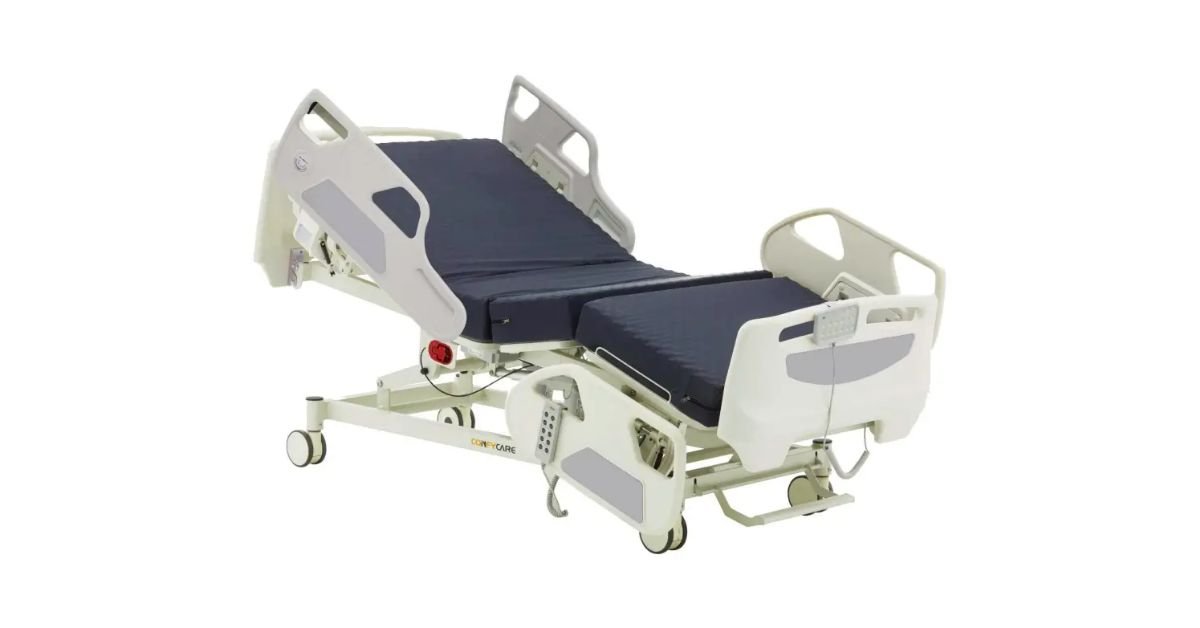
Cardiac ICU (CICU) intensive care unit beds are designed for patients requiring close cardiac monitoring and treatment. These beds support several organ support systems including ventilator support in ICU, help with patient movement, and provide simple access for the multidisciplinary team. For improved safety and quick reaction during an emergency, their design adheres to Intensive Care Unit design standards.
Often in severe heart situations, mechanical ventilation in ICU is supported by these adjustable beds. Through assistance of patient monitoring in ICU systems, they also help control patient acuity. These beds enhance ICU infection control strategies, lower risk, and increase comfort depending on appropriate ICU layout and infrastructure. Such beds are used in tertiary referral ICU centres by Pakistani hospitals to offer the finest results in critical care medicine.
Adjustability
Cardiac ICU (CICU) beds in particular are designed to assist those suffering with heart diseases. These beds can go from Trendelenburg to reverse Trendelenburg posture. This improves the blood flow during treatment. Furthermore, facilitating the interdisciplinary team’s safe and simple working is the height adjustment. This enhances critical care medicine outcomes in Pakistani hospital acute care systems and supports the ICU patient safety procedures.
Modern tertiary referral ICU layouts and infrastructure make use of these beds to suit evolving patient requirements. These changes enable fast actions during emergencies and assist lower patient acuity risks. Appropriate utilisation of these beds enhances ventilator support in Intensive Care Units by following design principles for them. Their adaptability guarantees flawless ICU resource allocation and helps to maximise ICU operations. These characteristics also satisfy Level 3 care patient ICU staffing needs.
Pressure Relief
Patients in the Cardiac ICU (CICU) spend several hours in bed. Pressure sores become more likely as a result. Anti decubitus mattresses come included in Intensive Care Unit beds to help stop this. These mattresses ease skin pressure. This guards cardiac patients during recovery and improves ICU patient safety procedures. It also enables the interdisciplinary team to provide comfort and compassionate, better critical care treatment.
These beds satisfy ICU staffing criteria for high risk patients and follow worldwide Intensive Care Unit design standards. Purpose built ICU beds supporting organ support and lower patient acuity are currently used in Pakistani hospital acute care facilities. In tertiary referral centres, these beds fit the contemporary ICU architecture and infrastructure. Using pressure relief beds helps hospitals also prevent infections in critical care, therefore ensuring faster and safer recovery for patients in Level 2 and Level 3 treatment.
Integrated Monitoring
Patients in Cardiac ICU (CICU) need round the clock treatment. Integrated monitoring systems are today used in the construction of intensive care unit beds. These beds can readily link with additional life saving devices, IV poles, ICU ventilator support, and other beds. This function facilitates close observation of heart patients by the multidisciplinary team. It also enhances safety throughout all hours of treatment and facilitates improved patient monitoring in ICU.
Heart care intensive care unit (ICU) beds match Level 2 and Level 3 treatment and adhere to stringent ICU architecture. These beds give quick access to organ support tools, therefore helping to control high patient acuity in Pakistan’s hospital acute care services. This conforms to worldwide Intensive Care Unit design criteria and is part of critical care medicine. These beds also find use in tertiary referral ICU centres since they provide real time updates and improved results for heart patients.
Mobility & Safety
Patients in Cardiac ICU (CICU) require simple, safe, easily moving Intensive Care Unit beds. Strong side rails included in these beds help to stop falls. Their smooth braking mechanisms also help to keep the bed motionless during treatment. This supports hospital acute care services in Pakistan’s busy cardiac units by allowing speedy movement in crises and enabling nurses to follow ICU patient safety procedures.
These infrastructure and architecture aspects also help the heterogeneous ICU team roles to manage care and assist ventilator support in ICU. Particularly in Level 3 care where high patient acuity exists, bed mobility enhances ICU workflow optimisation. Intensive Care Unit design rules state that mobility gadgets improve results and aid to lower staff workload. These beds are utilised at tertiary referral ICU centres where treating heart patients depends mostly on speed and safety.
ICU Bed Design and Organization
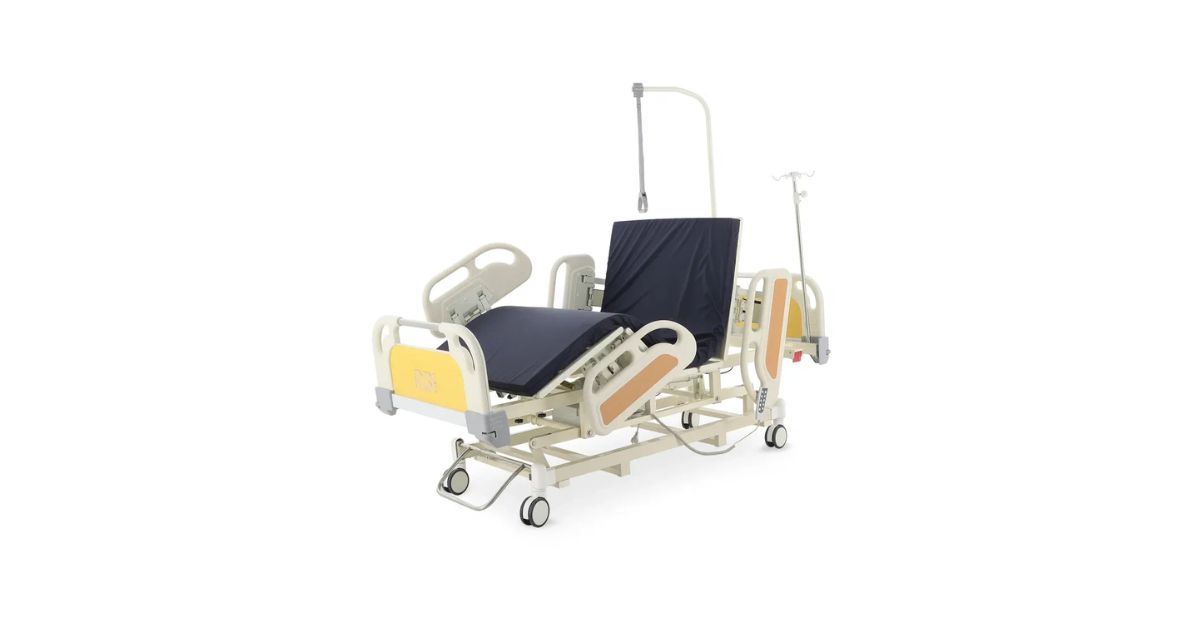
Particularly built Intensive Care Unit beds in Cardiac ICU (CICU) units help patients with cardiac conditions. These beds link to life saving devices including ventilators and monitors, therefore facilitating patient monitoring in an ICU. Excellent ICU design incorporates robust bed frames, smooth side rails, and height changes. Particularly in Level 3 treatment, when patients are more serious and require round the clock surveillance, these characteristics help organ support.
Easy access to the patient by the multidisciplinary team is made possible by a professionally designed ICU architecture and infrastructure. There is room for cables, oxygen supply, doctor and nurse mobility in beds. Intensive Care Unit design rules state that beds have to satisfy the safety requirements for hospital acute care operations. Strong construction, simple cleaning, and clever layout help to lower infections and enhance ICU infection prevention, so improving patient safety and speed of treatment in tertiary referral ICU centres all throughout Pakistan.
Space & Layout
In Cardiac ICU (CICU), appropriate distance between Intensive Care Unit beds is absolutely crucial. Enough space lets nurses and doctors walk around freely and work faster during crises. ICU layout and infrastructure have to enable access to machines such as ventilator support in ICU and monitors. Quick reaction saves lives in heart care facilities. Spacing thus serves to increase safety and speed in hospital acute care facilities.
A decent ICU design has to adhere to Department of Health Building Guidelines. This covers room free from crowded for IV poles, wires, and medications. In ICU, organised beds also help to follow best standards for ICU infection prevention, lower mistakes, and improve patient monitoring. Correct spacing helps the multidisciplinary team to manage Level 2 rather than Level 3 patients and provide better treatment. In Pakistan’s expanding healthcare system, this design helps to maximise ICU traffic.
Ergonomics
Good ergonomic Intensive Care Unit beds enable nurses in Cardiac ICU (CICU) units deliver better treatment. These beds are designed to lessen extended periods, lifting, and bending. This reduces staff tension and makes job easier. Strong ICU design guarantees fast access to equipment and the patient, therefore enhancing hospital acute care services. In critical care medicine, it also facilitates quick reaction in an emergency.
A bed with ergonomic controls helps the multidisciplinary team in critical care management of very patient acused patients. Since less effort is required for daily chores, it helps to preserve better staffing ratios. Ergonomic beds promote ICU workflow optimisation and lower errors as part of a designed ICU. Common in tertiary referral ICU centres all throughout Pakistan, this design also supports ICU patient safety procedures and enhances care delivery in Level 2 and Level 3 environments.
Infection Control
Particularly designed to promote infection control in critical care, Cardiac ICU (CICU) beds are intensive care unit beds. These beds feature antimicrobial surfaces meant to stop dangerous bacterial growth. Easy washing made possible by their smooth materials is quite vital in hospital acute care environments. In purpose built ICU environments, good cleaning standards reduce the danger of infections and enhance the safety of patients with major heart problems.
These Intensive Care Unit (ICU) beds are constructed in Pakistan, where infection hazards still exist, in line with highest standards for ICU infection control. This covers wise ICU layout and infrastructure for quick disinfection as well as safe materials. These beds enable the diversified ICU team roles to operate effectively and support patient monitoring in ICU. In tertiary referral ICU centres handling patients requiring protracted mechanical ventilation in ICU treatment and high organ support, they are absolutely essential.
ICU Equipment Integration
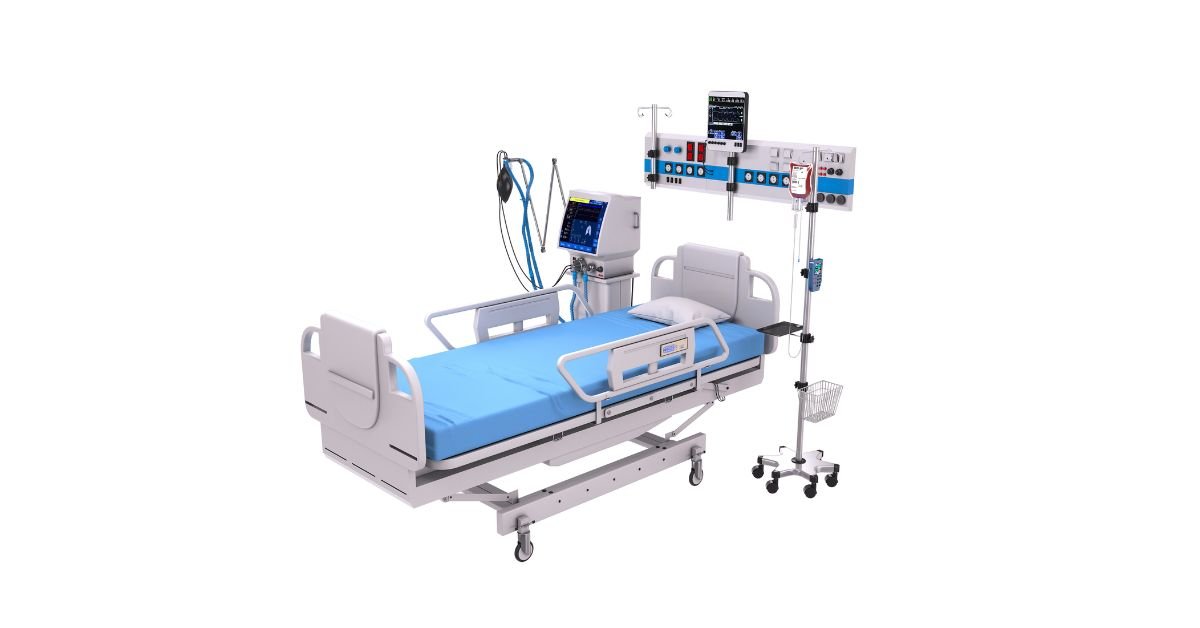
Cardiac ICU (CICU) beds are designed for patients with severe cardiac diseases. Modern equipment like ventilators, infusion pumps, and heart monitors complements these beds. The beds assist nurses and doctors in quickly and safely supporting organs. These beds provide seamless patient monitoring and treatment in ICU without wasting time by means of appropriate ICU layout and infrastructure.
Strong ICU design is increasingly a top concern in Pakistani expanding hospitals. Part of hospital acute care services, these beds assist mechanical breathing in ICU. They fit the most modern critical care medicine tools and follow the Department of Health Building Note. Good care during Level 2 and Level 3 treatment depends on smart bed integration helping the varied ICU team duties. This arrangement helps all ICU patient safety procedures at tertiary referral ICU centres and enhances results.
Staffing and ICU Beds
The nurse to patient ratio in Cardiac ICUs (CICUs) is intimately correlated with the beds available in Intensive Care Unit. The personnel has to be grown as the patient count rises. Many Pakistani hospitals follow ICU staffing rules for Level 3 patients, which results in more nurses for major cases. Appropriate critical care staffing models depend on this arrangement, which also helps to keep every patient stable and safe.
Patient monitoring in an ICU depends much on the beds used in there. Features of these beds enable staff members to constantly assess patients by supporting equipment such as monitors and ventilators. The interdisciplinary ICU team duties help to simplify organ support during crises by means of the beds. Good ICU design and infrastructure enable quick personnel movement around the bed, therefore improving hospital acute care services even at tertiary referral ICU centres.
Indications for ICU Admission: When Are ICU Beds Needed?

Severe Trauma and Critical Conditions
Patients suffering from serious injuries, those recovering from major surgery, or those with sepsis or organ failure depend on intensive care unit beds most especially. Many times, these patients need other types of organ support, ventilator assistance, and constant monitoring. The objective of critical care medicine is to stabilise high patient acuity patients who run danger of more problems. Appropriate management of these high risk cases depends on ICU bed capacity.
Early Physiotherapy and Mobility Features
Special characteristics in ICU beds let early physiotherapy and movement possible. For the patients in critical care to recuperate, these characteristics are absolutely essential. Early physical therapy for patients in the multidisciplinary ICU team guarantees better outcomes by means of early recovery process. Modern ICU beds also enable patient monitoring in ICU, therefore preserving staffing ratios and promoting mobility to prevent issues including muscular atrophy.
ICU Beds in Different Hospital Settings
ICU Beds in General Hospitals
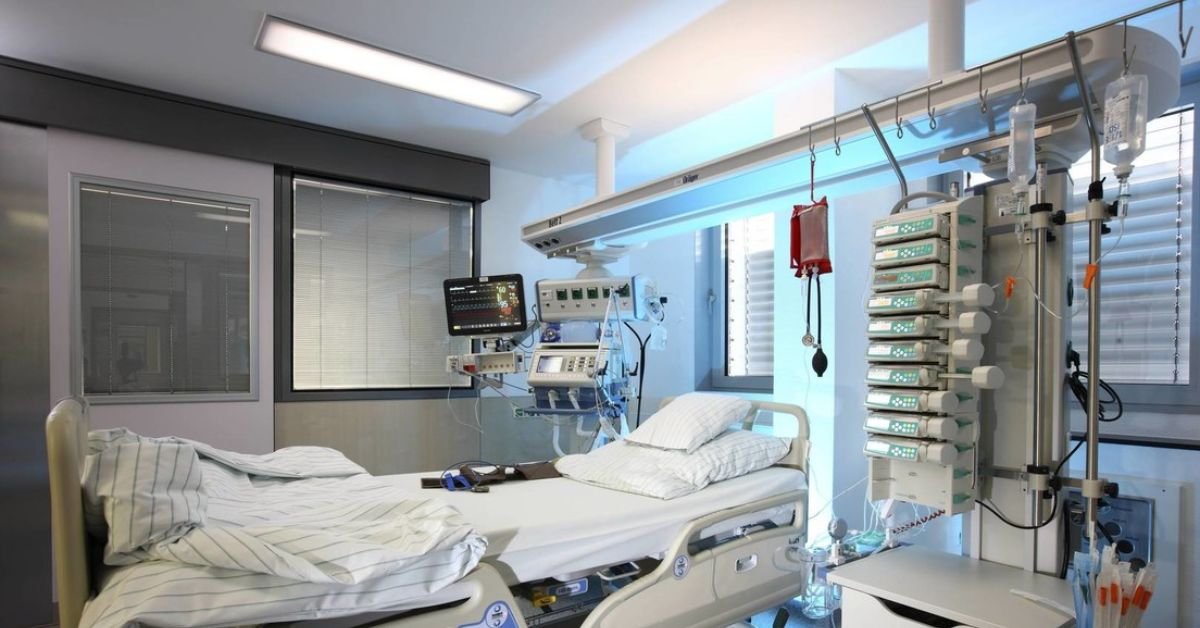
Generally speaking, Intensive Care Unit beds at general hospitals are meant to assist patients requiring critical care treatments. Monitoring and giving patients in need of artificial ventilation or following significant surgery organ support depend on these beds. Ensuring that multidisciplinary teams can provide treatment depends on ICU staffing levels, which also help to tightly control patient acuity. Maintaining a nurse to patient ratio helps to assure patient safety and recovery.
ICU Beds in Specialized Hospitals
The architecture of specialised ICUs or tertiary referral centres concentrates on delivering high level treatment for patients with particular requirements, such as neurological or cardiac diseases. These hospitals frequently have more ICU beds to meet the several needs of their patients. Here, the critical care staffing models are geared for Level 3 treatment, in which more extensive support is required. These settings stress patient monitoring and infection control in the ICU to help with better recovery results.
University vs. Non University Hospitals
Usually more than in non university hospitals, university hospitals feature more Intensive Care Unit beds. Providing Level 3 treatment for patients requiring more advanced treatment, these facilities sometimes concentrate on critical care medicine. Usually more sophisticated and better equipped with the newest technologies ventilator assistance, mechanical breathing, and enhanced patient monitoring in ICU the ICU architecture in these facilities is more complicated. This helps them to assist multidisciplinary teams and deliver first rate treatment.
ICU Beds in Non University Hospitals
Conversely, non university hospitals could have less advanced technology and fewer ICU beds. Although these institutions nevertheless offer hospital acute care treatments, the ICU architecture and facilities might not be as advanced as in tertiary referral centres. Usually providing Level 2 treatment, these hospitals may change their ICU staffing policies depending on resources at hand. Patient recovery still takes front stage, and careful attention to infection control in critical care and appropriate nurse to patient ratios help to support this.
Global Comparison
Particularly in tertiary referral centres, Intensive Care Unit beds are evenly scattered throughout South Korean hospitals. With an eye towards Level 3 treatment, the nation boasts a developed critical care medicine infrastructure. Hospitals can thus provide mechanical ventilation, organ support, and patient monitoring in ICUs. Multidisciplinary teams included in South Korea’s ICU design maximise treatment by means of sophisticated ICU processes and effective ICU bed capacity planning.
Other nations, on the other hand, could have less effective distribution of ICU beds, usually based on resources at hand. For example, many underdeveloped nations deal with issues including limited ventilator support in ICU and a paucity of critical care staffing models. Prevention of ICU infections may thus become more difficult. With nurse to patient ratios and appropriate multidisciplinary ICU team roles playing a key part in patient care across many hospital environments worldwide, effective ICU design is very vital.
Future Trends in ICU Bed Technology

Smart ICU Beds with AI Monitoring
Advanced artificial intelligence monitoring is where Intensive Care Unit beds find their future. To maximise patient comfort, these smart beds will measure patient acuity and automatically change pressure, posture, and other settings. As patient monitoring in ICU becomes more automated, the beds will constantly gather important information enabling the diverse ICU team to act as needed. This technological integration raises general efficiency of critical care medicine, lowers staff workload, and enhances patient treatment.
Enhanced Patient Comfort and Automation
As ICU design develops, increased patient comfort takes front stage. Modern Intensive Care Unit mattresses are made to provide comfort top priority while maintaining medical effectiveness. To help with organ support and other necessary tasks, these beds include automated elements including ICU ventilator support. Hospitals will maximise ICU flow and guarantee improved infection control in critical care by employing purpose built ICU beds. Better post ICU recovery and patient outcomes follow from this.
Conclusion
Providing necessary treatment for critically ill patients depends much on intensive care unit beds. Modern features on these beds guarantee patient comfort and safety as well as enable life saving treatments. Future improvements in ICU bed design including smart beds with artificial intelligence monitoring and automation as technology develops will improve patient care even more. These developments will help healthcare personnel give the best possible critical care, enhance patient outcomes, and simplify hospital processes.
FAQ’s
What is the description of ICU bed?
Designed for severely ill patients, an ICU bed is a specialist hospital bed with comfort for intensive care, adjustable settings, and monitoring tools.
What is the overview of ICU?
Requiring continuous monitoring and assistance for crucial processes, the ICU (Intensive Care Unit) offers sophisticated treatment for patients with serious diseases or injuries.
How many beds are required for an ICU?
Hospital size, patient demands, and regional demand will determine the ICU beds required larger hospitals usually have more beds to handle critical patients.
What is a MICU bed?
Designed for patients with severe medical illnesses such as respiratory failure, heart failure, or infections, a MICU (Medical Intensive Care Unit) bed is constantly monitored.
What is the purpose of the MICU?
Emphasising surveillance, life support, and intensive treatments to stabilise patients’ health, the MICU offers critical care for those with serious medical disorders.
What is the size of ICU bed?
Usually measuring 90–100 cm broad and 200–210 cm long, ICU beds have movable elements for patient comfort and to fit medical equipment.

