
You are probably at this point because you are attempting to learn the types of laparoscopic surgery and have been getting a little lost. Perhaps a doctor was in a hurry and said it, or you read the word somewhere on the Internet and thought, What is that to me? Here, the moment of indecision is actual. You need straightforward answers, but not medical jargon, when faced with health decisions.
In this blog, the different types of laparoscopic surgery are simplified in a friendly manner. You will understand the purposes of each type, their mode of action, and the reasons behind their prescription by the physician. No heavy words. No stress. Simply refresh, practical information to make you feel confident and knowledgeable to continue reading.
Core Types of Laparoscopic Surgery
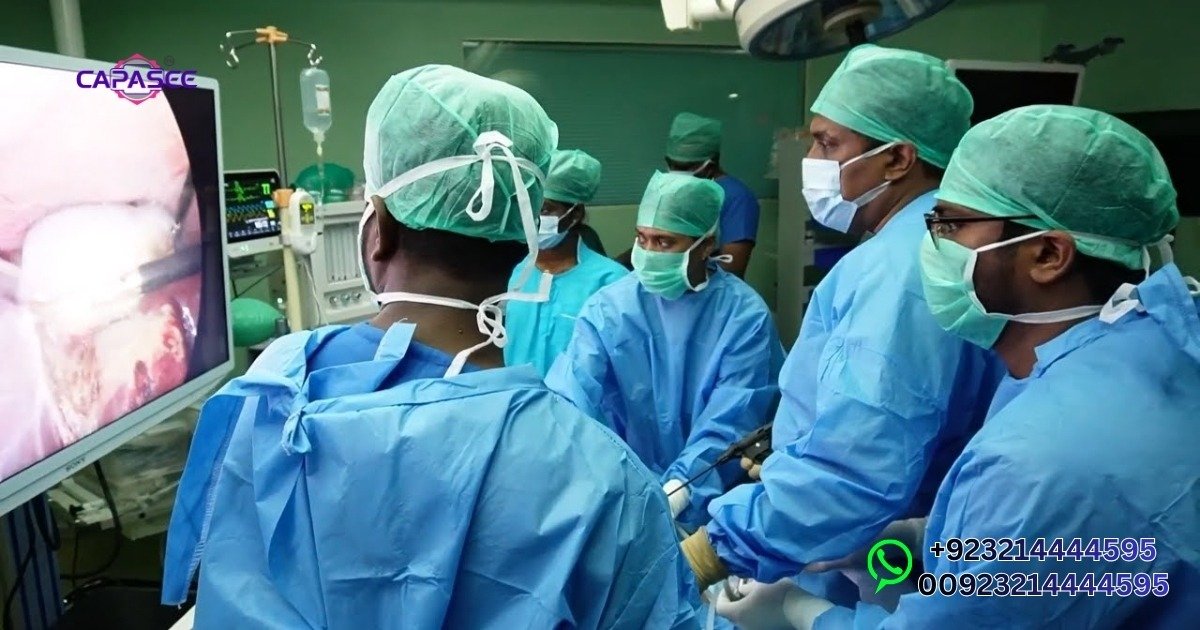
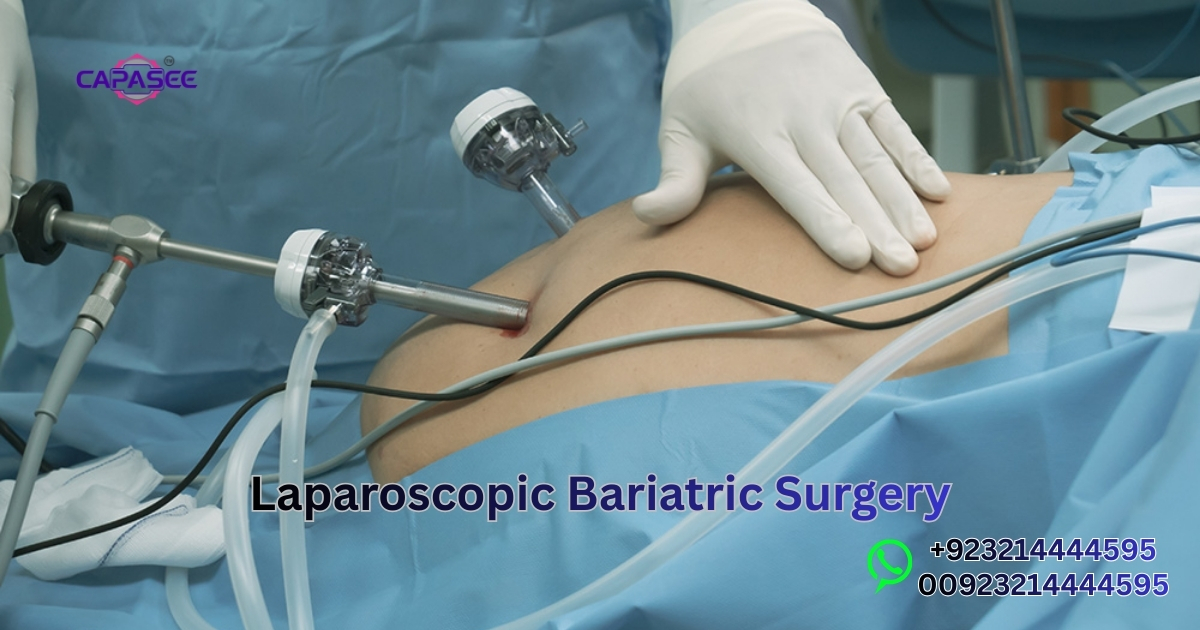
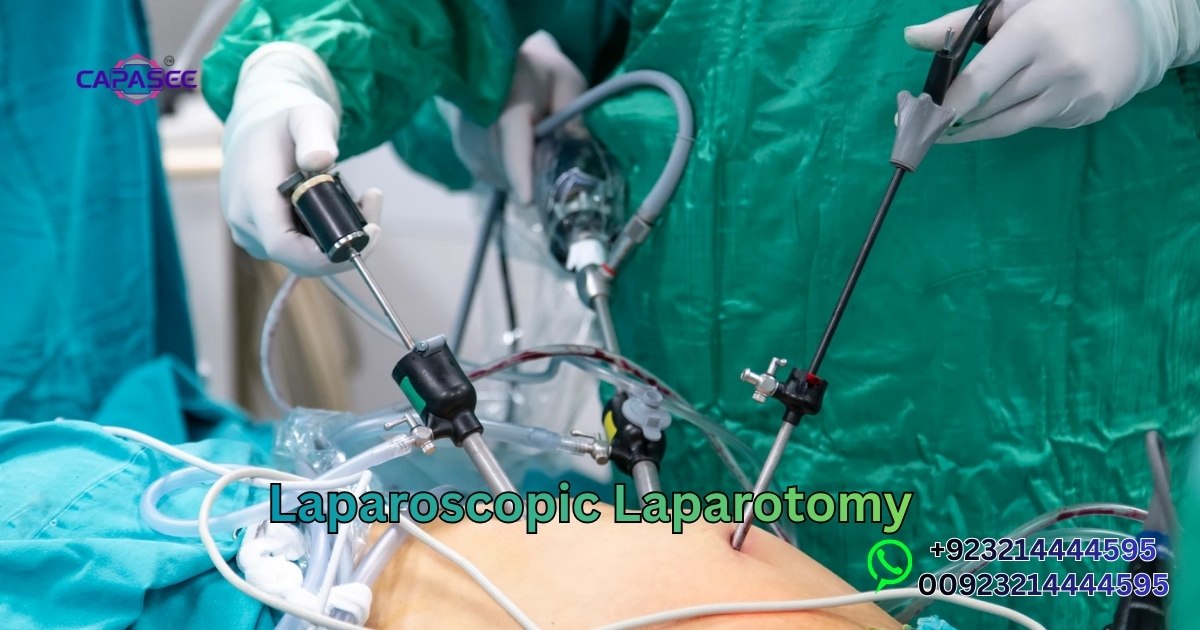
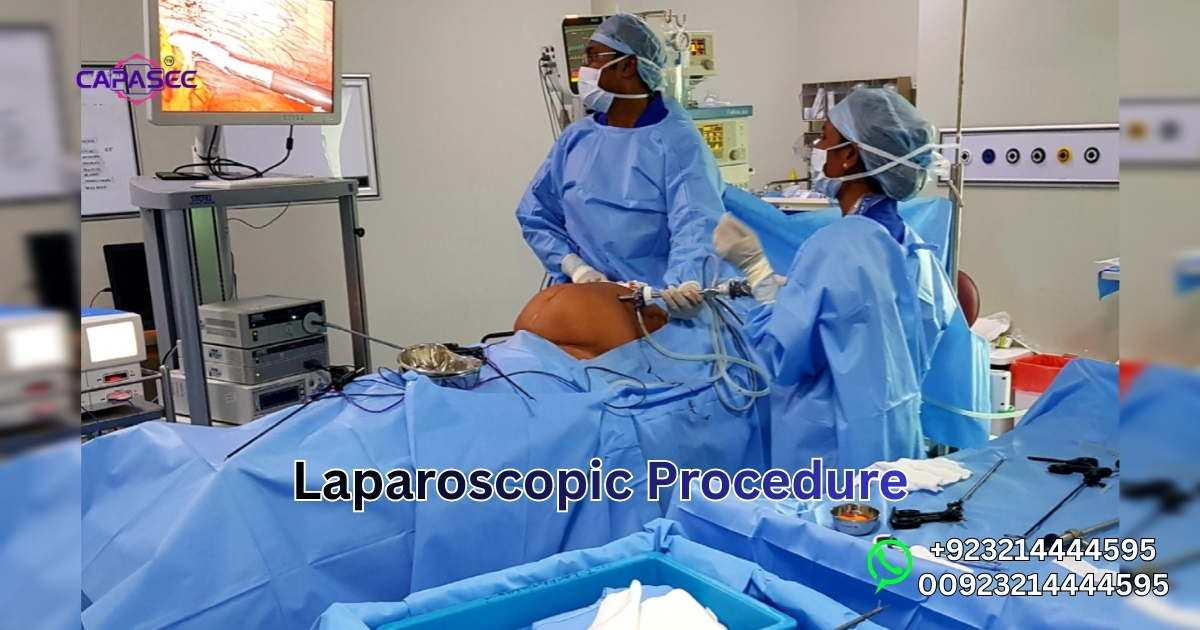
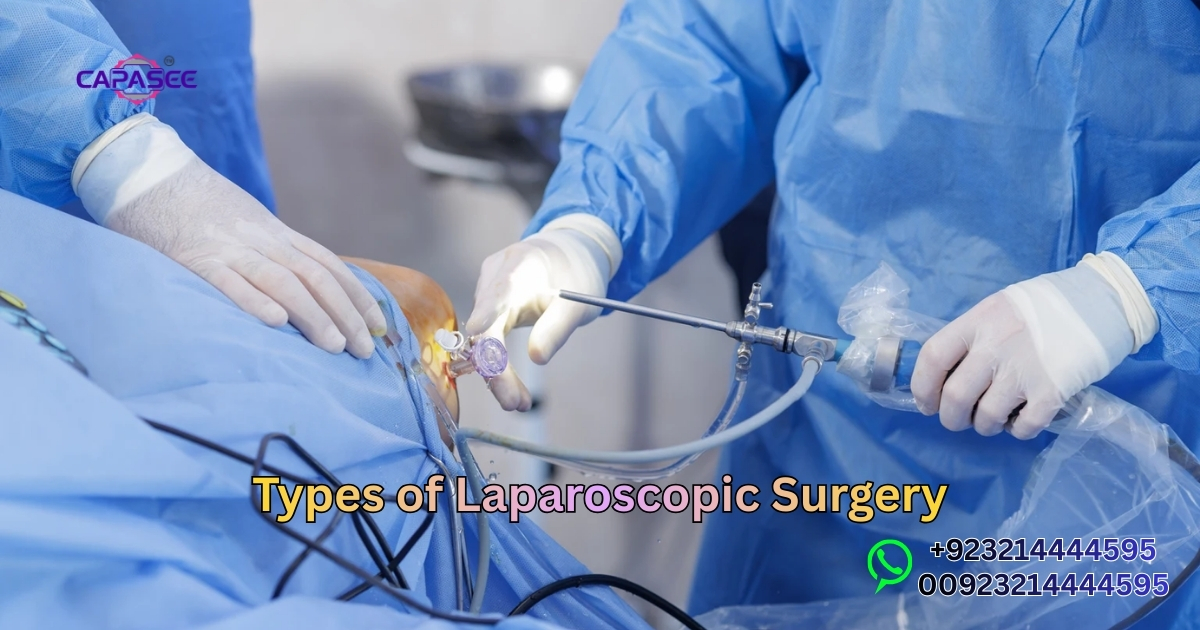
There are types of laparoscopic surgery that fall under minimally invasive surgery. Abdominal surgery is performed through small incisions and trocar ports to minimize surgical scars, postoperative pain, and hospitalization by surgeons.
Keyhole surgery reduces the recovery time of a patient. Types of laparoscopic surgery, such as laparoscopic cholecystectomy, laparoscopic appendectomy, and single incision laparoscopic surgery, are now routine in Pakistan, often aided with robotic assisted laparoscopy that provides superior precision.
Laparoscopic Cholecystectomy in Pakistan
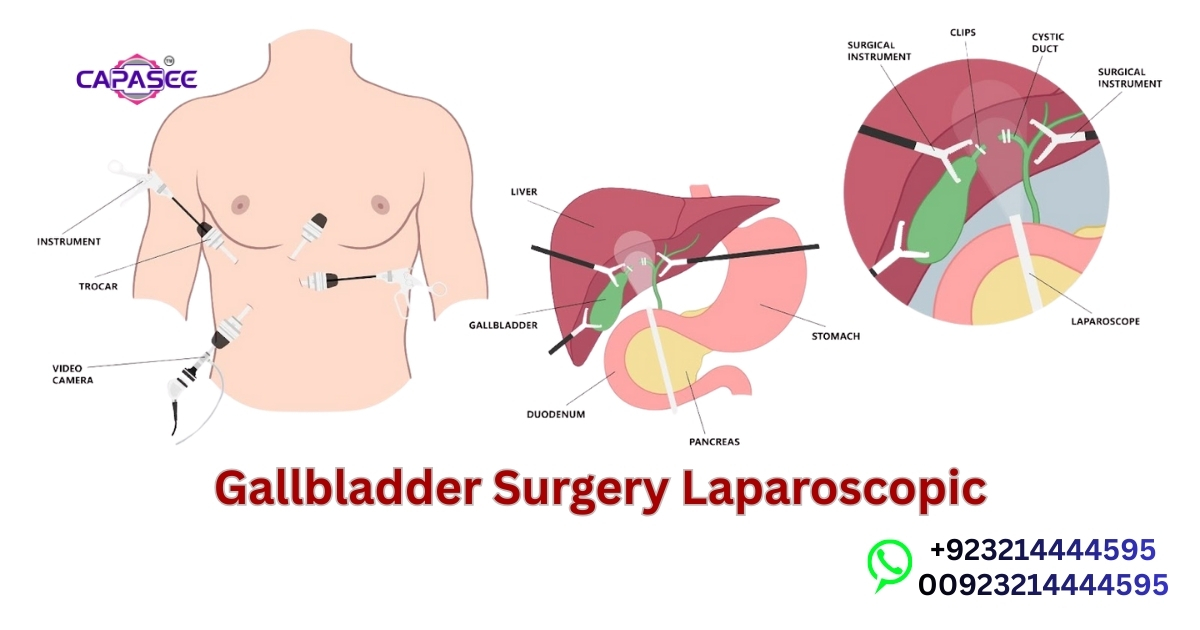
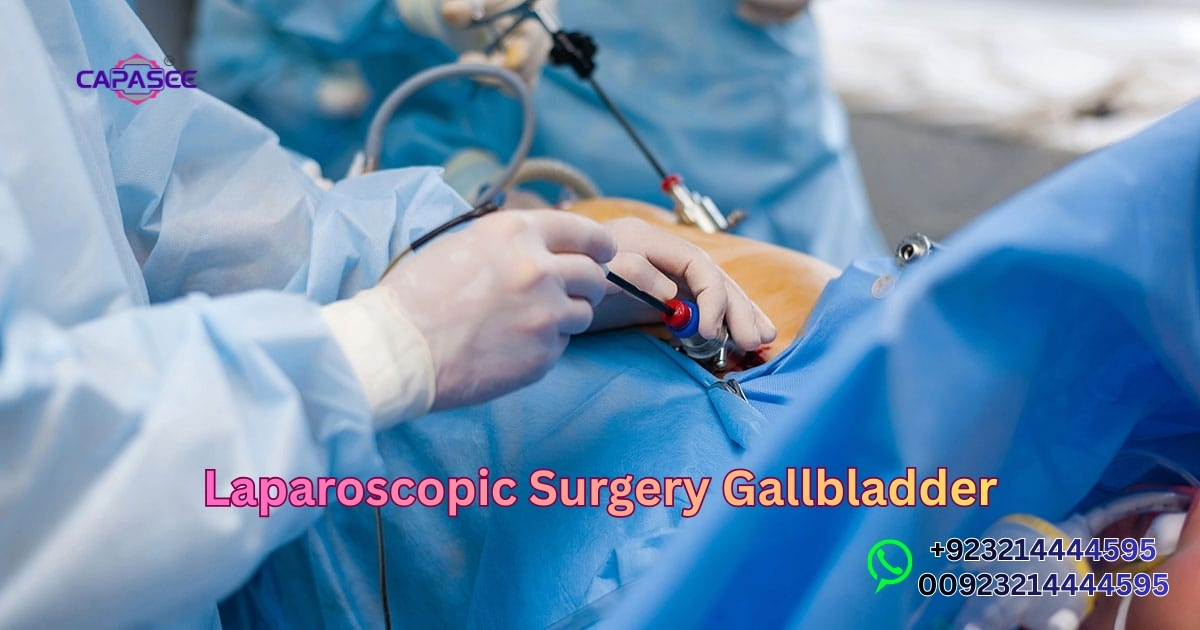
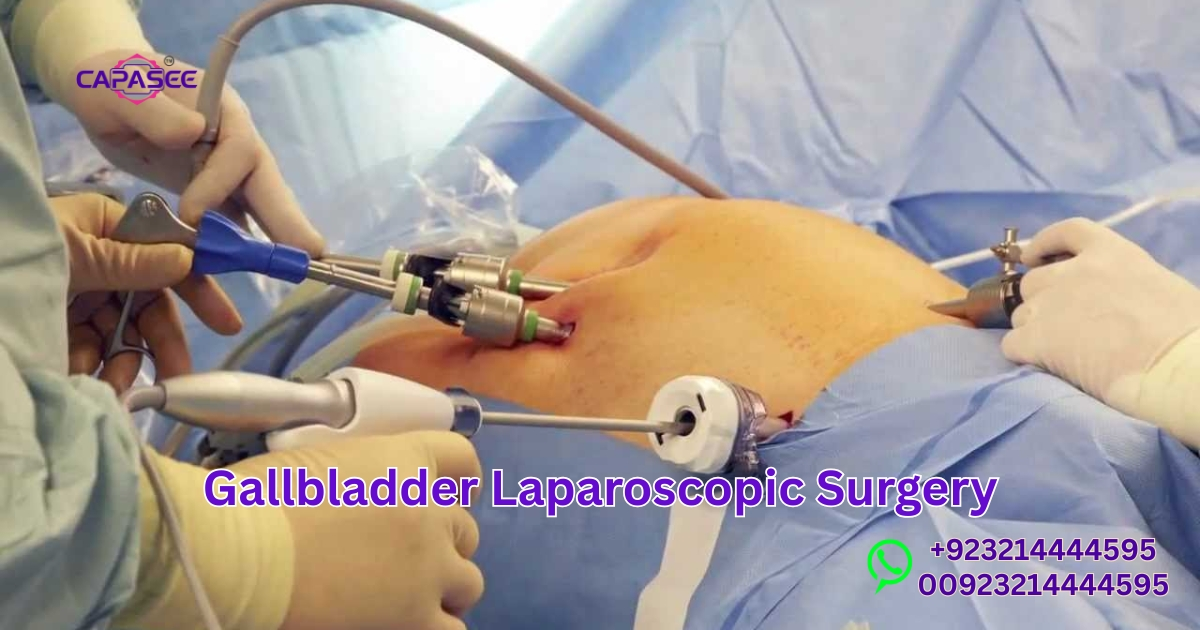
Gallbladder removal is done through laparoscopic cholecystectomy. Capasee tools are used by surgeons to achieve accurate imaging and minor incisions that reduce postoperative pain and hospitalization.
This operation is performed under general anesthesia using trocar ports to achieve safe access. Laparoscopic cholecystectomy, one of the common types of laparoscopic surgery, shortens the recovery period and the number of surgical scars among patients, making it a favorite among Pakistani hospitals.
You May Also Read This Blog: Laparoscopic Hernia Repair
Laparoscopic Appendectomy in Pakistan
Laparoscopic appendectomy effectively deals with acute appendicitis. Capasee cautery devices are used by doctors to control bleeding during abdominal surgery using small incisions.
This process reduces postoperative pain and shortens hospital stay. Patients in Pakistan experience better recovery rates with types of laparoscopic surgery, keyhole surgery, and minimally invasive procedures than with traditional open surgery.
Advanced Laparoscopic Repairs
Robotic assisted laparoscopy has advanced types of laparoscopic surgery for complex hernia and abdominal procedures. Surgeons often choose laparoscopic hernia repair and single incision laparoscopic surgery to minimize surgical scars and reduce operating time.
These surgeries use trocar ports and Capasee mesh deployment technology. General anesthesia is safe for patients, postoperative pain is minimal, and hospital stay is significantly reduced compared to open procedures.
Laparoscopic Hernia Repair Pakistan
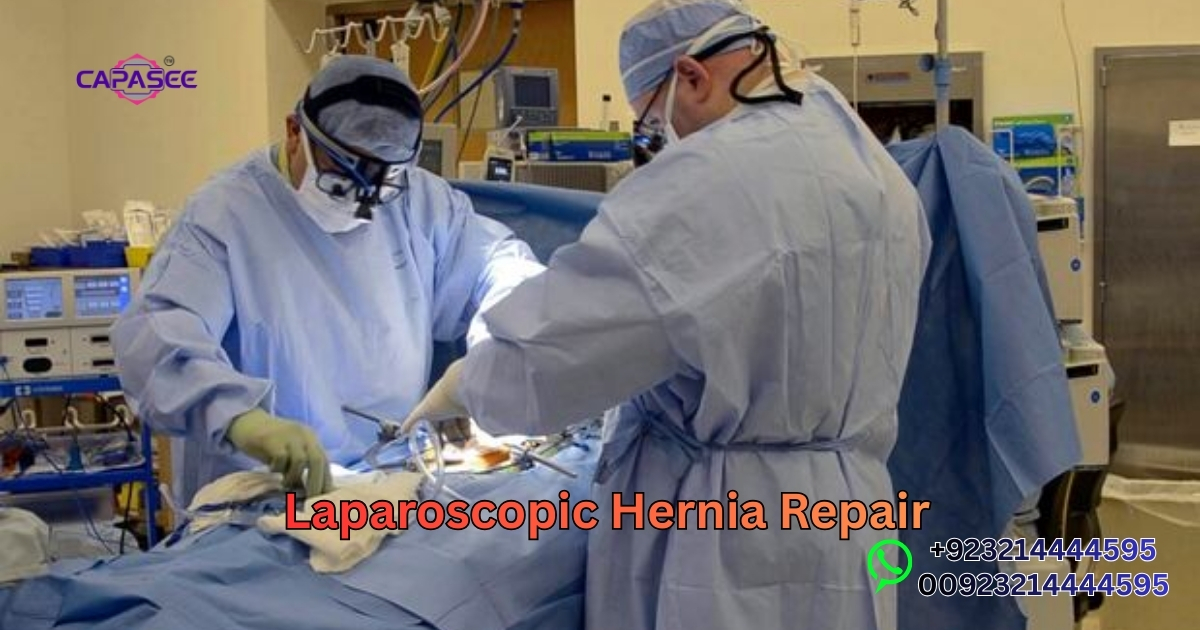
Laparoscopic repair of hernias is a procedure involving inguinal or ventral hernia repair through Capasee mesh deployment technologies. Abdominal surgery is less painful with small surgical scars.
Patients benefit from reduced recovery time, shorter hospital stays, and less postoperative pain. Laparoscopic hernia repair, one of the important types of laparoscopic surgery, is becoming increasingly common in Pakistan due to its minimally invasive, keyhole approach.
Gynecologic Laparoscopic Procedures
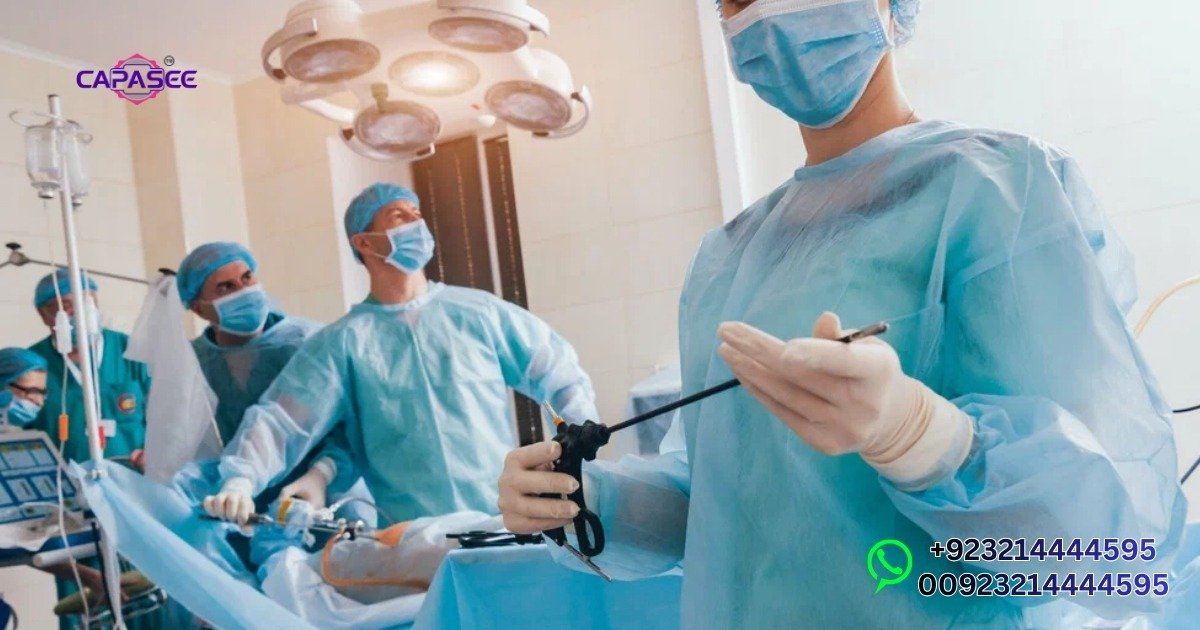
Some of the types of laparoscopic surgery performed on women include laparoscopic hysterectomy and laparoscopic myomectomy. Minimally invasive surgery uses small incisions and trocar ports to minimize surgical scars and postoperative pain.
These keyhole surgery techniques reduce recovery time and hospital stay. Robotic assisted laparoscopy or single incision laparoscopic surgery is a safe form of abdominal surgery with general anesthesia or advanced Capasee energy equipment.
Check More & Purchase: Our Products
Laparoscopic Hysterectomy in Pakistan
In Pakistan, laparoscopic hysterectomy is a safe method for removing the uterus. Surgeons use Capasee energy equipment, small incisions, and techniques that reduce postoperative pain.
The advantages of this keyhole surgery, one of the main types of laparoscopic surgery, include minimal surgical scars, reduced hospital stay, and faster healing. Laparoscopic hysterectomy is safer and more precise than open surgery due to minimal involvement of the surgeon.
Laparoscopic Myomectomy Pakistan
Myomectomy is a laparoscopic procedure that preserves fertility. Capasee precision tools and trocar ports are key elements enabling surgeons to perform safe abdominal surgery with small incisions and minimal scarring.
Patients benefit from reduced postoperative pain, shorter hospital stays, and quicker recovery. Laparoscopic myomectomy, one of the types of laparoscopic surgery, is increasingly popular, especially among women who wish to maintain fertility.
FAQ’s
How many types of laparoscopy are there?
Laparoscopy has several varieties, such as gynecologic, abdominal, and advanced hernia procedures, with the application of minimally invasive methods of surgery.
What is the most common laparoscopic procedure?
Laparoscopic cholecystectomy to remove the gallbladder is the most common, which involves small incisions and keyhole surgery to enable recovery in the shortest time.
Can laparoscopy help adenomyosis?
Yes, laparoscopic procedure can be used to treat adenomyosis, and minimal incision, less postoperative pain, and shorter hospital stay are achieved, with or without robotic assisted laparoscopy.
How long does shoulder pain last after laparoscopic surgery?
Laparoscopy can also cause shoulder pain, which then dissipates with simple drugs in 1 to 3 days, and is due to gas being used during an abdominal surgery.
How long is hospital stay after laparoscopy?
Keyhole surgery, minimally invasive approaches, and small surgical scars have led to most of the patients leaving within 1 to 20 days, with the help of small surgical scars that shorten the duration of recovery.
Conclusion
Understanding the types of laparoscopic surgery helps patients in Pakistan make informed decisions. These operations include laparoscopic hysterectomy, myomectomy, cholecystectomy, and appendectomy, all performed using small incisions and keyhole surgery. Patients experience less postoperative pain, shorter recovery periods, and reduced hospitalization, along with fewer surgical scars. Modern technologies such as Capasee energy devices and robotic assisted laparoscopy enhance safety and precision. Choosing the correct type of laparoscopic surgery ensures successful treatment, fast recovery, improved health outcomes, and a comfortable, confident surgical experience.