
One of the first things that comes to mind when you think of surgery is how sensitive and intricate the process can be. A lot of people worry about bleeding during surgery, whether they are patients, caregivers, or just interested in medical procedures. You may be thinking, What do they use to stop bleeding during surgery? You might have thought about this question before, especially if you’ve heard about the hazards of surgery.
In this article, we’ll talk about the instruments and methods that surgeons use to stop bleeding during surgery. We’ll look at the numerous tools and techniques that keep you safe and help you deal with any bleeding that might happen. You’re in the ideal place if you want clear, easy to understand information about how surgery teams deal with this vital part of their work.
Bleeding Control Methods During Surgery by Capasee Electro Medical Engineering
Capasee Electro Medical Engineering has put up novel techniques to stop bleeding during surgery. Their new hemostatic chemicals are made to conform to the current, or old, equipment that helps stop bleeding during surgery. This makes the treatments more effective and safe as it minimizes blood loss and blood transfusions.
Their new technologies and tools of hemostasis allow you to stop the bleeding at the moment. Surgical bleeding is reduced in surgical patients by the use of techniques like electrocautery employed by Capasee in surgical procedures. Such machines are meant to facilitate the reduction of blood loss and ensure that coagulation is optimally successful during major procedures.
Advanced Surgical Hemostasis Tools for Optimal Bleeding Management
Capasee has a particular hemostatic action that helps stop bleeding during surgery quickly and effectively. For quick bleeding control, their tools, like temporary external hemostats and topical hemostatic medications, are quite important. This reduces the hazards that come with losing too much blood and helps manage bleeding during surgery.
Capasee hemostatic medicines help stop fibrinolysis, which helps blood clots form. The surgical hemostat makes sure that bleeding stops rapidly during surgery by using coagulation factors. Their method lessens the need for more antifibrinolytic medicines and helps keep platelets working throughout surgery for better results.
You May Also Read This Blog: Can You Cauterize a Wart
How Capasee Absorbable Hemostatic Materials Enhance Surgical Outcomes
Capasee absorbable hemostatic polymers are very important to stop bleeding during surgery and control bleeding after the procedure. These materials help cut down on the need for longer surgeries, which means that patients can heal faster. These compounds help control bleeding throughout the procedure by improving coagulation.
Their surgical hemostatic solutions are made to be completely absorbed, which lowers the risk of problems after surgery. This hemostasis monitoring makes sure that bleeding is kept under control during surgery with very little risk. Capasee focus on reducing blood loss during surgery has both short term and long term effects that greatly improve patient outcomes.
Tools to Stop Bleeding in Surgery with Capasee Solutions

Surgeons use a variety of instruments and methods to stop bleeding during surgery to maintain the best possible control over surgical bleeding. Capasee has a lot of hemostatic substances and equipment that make coagulation enhancement a lot better. Their products, like electrocautery in surgery, are made to help stop bleeding during complicated procedures, which lowers the risk of complications and blood loss.
Capasee treatments are very important for reducing blood transfusions since they help control bleeding from surgical wounds. These devices let surgeons stop bleeding quickly during surgery, which speeds up recovery. Capasee temporary external hemostat and topical hemostatic medicines work together to keep the patient stable and ensure that the hemostasis procedures are used correctly during the whole process.
Cautery Devices for Bleeding Control: Capasee Precision Technology Explained
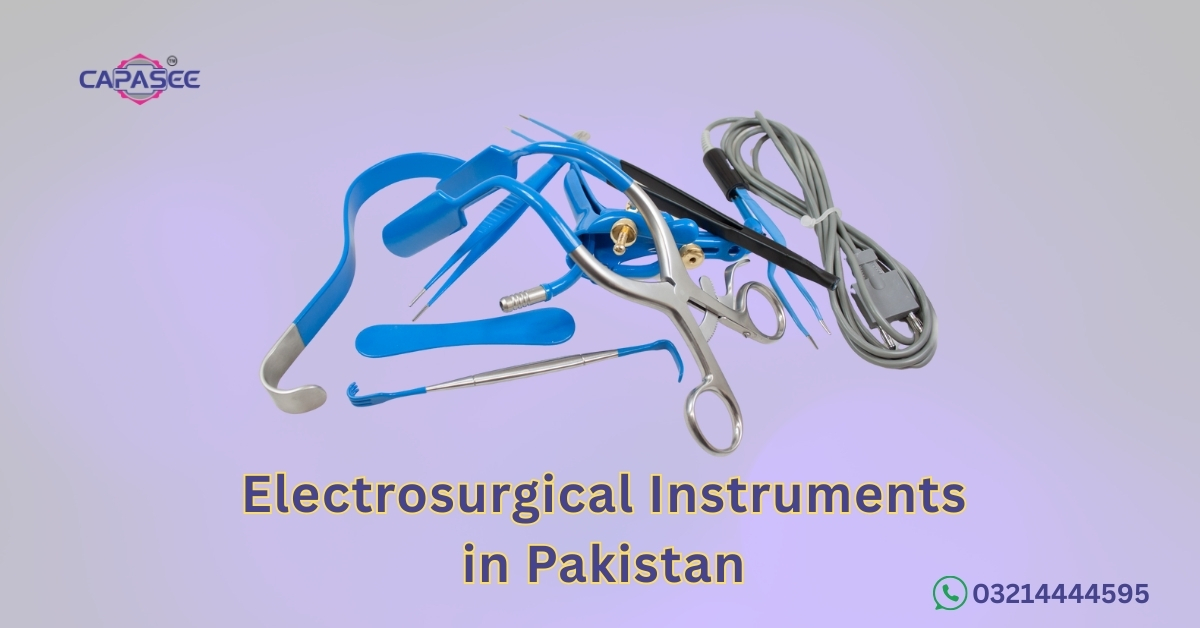
The electrocautery surgical instruments produced by Capasee are precise and reliable as far as bleeding prevention during surgery is concerned. These hemostatic devices heat in order to create tissue clots as well as close blood vessels and hence are highly essential to stop bleeding during surgery. The technology of Capasee applies to a large variety of operations. It prevents excessive bleeding by reducing blood loss and accelerates the healing process.
The cautery devices devised by Capasee have a design that assists in bringing control immediately by preventing fibrinolysis. Capasee devices ensure the functionality of the platelet in the course of surgery remains optimum through concentration on the hemostatic activity. This facilitates the processes and makes them less hazardous. With the help of this technology, patients will be sure that they have fewer issues and will be cured more quickly
Role of Tranexamic Acid for Surgical Bleeding and Capasee Integration Techniques
One of the most important components to stop bleeding during surgery and after is tranexamic acid. It assists in reducing blood loss in case of surgery. It assists in monitoring hemostasis and enhances the coagulation factors by preventing the breakdown of blood clots. Tranexamic acid helps to significantly enhance the results of surgery in combination with the hemostatic agents, antifibrinolytic drugs and other solutions of Capasee.
The utilization of tranexamic acid in the procedures of Capasee in addressing the issue of bleeding during surgery ensures safety in patients. This collaboration will reduce the risks of having to take fewer blood transfusions and yet it will be effective in halting the bleeding. Capasee is highly technological and has a complete range of equipment that makes the surgeries safer and enables patients to heal faster.
Mastering Surgical Bleeding Control Techniques with Capasee

Capasee Electro Medical Engineering is a master in the containment of surgical bleeding by using advanced agents and tools of hemostasis to stop bleeding during surgery. Their technology prevents loss of blood during a surgical operation, which keeps the people safe and reduces blood loss. Such solutions as using electrocautery in the surgery by Capasee allow doctors to stop bleeding during surgery with a high degree of precision.
The tool of Capasee consists of the prevention of fibrinolysis and acceleration of coagulation, which improves hemostasis procedures in the operating room to help stop bleeding during surgery effectively. Their equipment, e.g., topical hemostatic agents, prevents excessive bleeding and thereby makes patients recover at a faster rate. Such dedication to reducing blood transfusions ensures that surgeries are safer and more productive for the patients.
Read More: Our Products
Effective Bleeding Control During Oral Surgery Using Capasee Specialized Tools
Significant barriers to controlling surgical wound bleeding occur in oral surgeries; however, special equipment provided by Capasee is sure to guarantee effective control of perioperative bleeding and stop bleeding during surgery efficiently. With temporary external hemostats and surgical hemostat devices, bleeding is controlled rapidly and efficiently, resulting in better patient outcomes.
The tools improve the hemostatic capability during surgical operations, which plays an important role in minimizing complications and helping to stop bleeding during surgery. Capasesee has precise devices that will minimize blood loss, which will provide a better experience to patients. They also use antifibrinolytic drugs, which enhance the platelet activity in surgery, ensuring that hemostasis is optimal.
How to Stop Bleeding in Surgery: Expert Tips and Capasee Hemostatic Agents
The hemostatic medicines developed by Capasee are valuable in reducing surgical bleeding and preventing it during surgery. Their factors of coagulation and methods of preventing bleeding ensure that the loss of blood is minimized, which accelerates healing and helps to stop bleeding during surgery effectively. Capasee combines both these medications; therefore, it becomes easy to control bleeding during surgery.
The way control of blood flow is conducted by Capasee is based on the accurate monitoring of hemostasis, allowing surgeons to stop bleeding during surgery in a controlled and safe manner. Their equipment assists in reversing anticoagulants, and this ensures that the processes of surgery are successful. Using the technology of Capasee, physicians will be able to perform complex surgeries, and minimal blood transfusions will be required.
FAQ’s
What tool is used in surgery to stop bleeding?
People often employ hemostatic drugs and electrocautery equipment to halt bleeding during surgery.
What are hemostatic forceps called?
They are called clamps or hemostats, and they are used to stop blood flow during surgery.
What is used to stop bleeding during surgery?
Surgeons utilize hemostatic drugs, clamps, and electrocautery to stop bleeding quickly and effectively.
What is the instrument used to stop the flow of blood?
During surgery, hemostatic forceps or vascular clamps are used to block blood flow.
What is the tool called to stop bleeding?
A hemostat or clamp is the tool that stops bleeding.
Conclusion
It is very important to know what instrument is used to stop bleeding during surgery in order to make sure that the operations are safe and effective. Surgeons use a variety of tools, such as hemostatic drugs, clamps, and electrocautery, to stop bleeding quickly and effectively. These technologies are highly important for reducing blood loss and speeding up recovery. Medical personnel can avoid problems and improve patient outcomes by using the correct tools and methods. Tools for controlling surgical bleeding are still very important in modern surgery, even if they are always getting better.