
You know how stressful it may be to think about how long it will take for a severe wound to heal if you’ve ever had to deal with one. It’s normal to think, “Is it going to hurt?” when you hear about cauterizing a wound. It’s normal to be worried about the discomfort involved, whether you’re just curious or getting ready to have the treatment yourself.
We are going to describe in this blog what the process of cauterization really is and what you can count on. We will discuss the questions of whether the pain is intolerable, how the surgery is performed, and what follow up is required. Well, you will see what cauterization is really like at the end, and you will have, I hope, a better time of it. You should read to discover all that you need to know.
Pain During Wound Cauterization: What Capasee Electro Medical Engineering Reveals
You know how stressful it may be to think about how long it will take for a severe wound to heal if you’ve ever had to deal with one. It’s normal to think, Is it going to hurt? when you hear about cauterizing a wound. It’s normal to be worried about the discomfort involved, whether you’re just curious or getting ready to have the treatment yourself.
We’ll explain what cauterization truly means and what you can expect during the process in this blog. We’ll talk about whether the discomfort is bearable, how the surgery is done, and what care is needed afterward. You’ll have a better idea of what cauterization is truly like at the end, and hopefully you’ll feel a little better too. Read on to find out everything you need to know.
How Painful Is Wound Cauterization? Insights from Capasee
The pain level of cauterizing wounds changes based on how deep and wide the wound is. In general, the operation requires a lot of heat, which might be uncomfortable for a few minutes. A lot of patients feel a scorching pain throughout the process, although this feeling usually goes away quickly. After the procedure, the wound may hurt for a few hours or days, depending on how much pain the person can handle.
Capasee Electro Medical Engineering suggests using the right pain management cauterization methods to make the operation as easy as possible. Using a cooling gel or topical anesthetics can help lessen pain during the therapy. Getting enough rest after cauterization will help you recuperate faster and with less pain.
Cauterization Pain Level and Burning Sensations Explained
Knowing that the wound will burn during cauterization will help you set realistic goals. The heat makes the tissue react, which generates a severe burning feeling at the incision site. It’s vital to remember that the feeling goes away after the process is over, even though it feels strong.
Most people say they feel better after a few hours of the surgery. The pain from the heat cauterization may last for a while, but with the correct aftercare, it will be easier to deal with. After cauterization, patients can take painkillers that their doctor has prescribed to help them heal faster.
Does Cauterization Hurt? Real Experiences and Medical Facts
When individuals pose questions, such as, Does cauterizing a wound hurt? Yes, the level of discomfort differs. Placing the heat initially might be painful, but it never lasts long. The pain will decrease with time since the wound will start to heal itself. Experience in cauterizing a wound among patients demonstrates the fact that although the pain is always present, it is usually bearable because of the development of medical approaches.
The cauterizing a wound healing process plays a vital role in pain management and recovery provision. Although the procedure is in itself uncomfortable, the pain is normally short lived through the use of a killer following the cauterizing of a wound. Having a clean and dry wound and following other aftercare instructions minimizes the risk of complications.
Table: Comparison of Cauterization Pain vs Healing Process
| Stage | Pain Level | Healing Time |
| Cauterization Procedure | High (temporary) | Immediate |
| Pos Procedure Sensation | Moderate (soothing) | 1-2 days |
| Healing Process | Mild | 5-10 days |
| Full Recovery | None | 2-3 weeks |
By paying attention to the recovery time after cauterization and taking care of the site properly, the pain that comes with cauterizing a wound may be managed well, making the technique an effective and important way to treat wounds.
Pain Management and Anesthesia Protocols at Capasee for Cauterizing Wounds
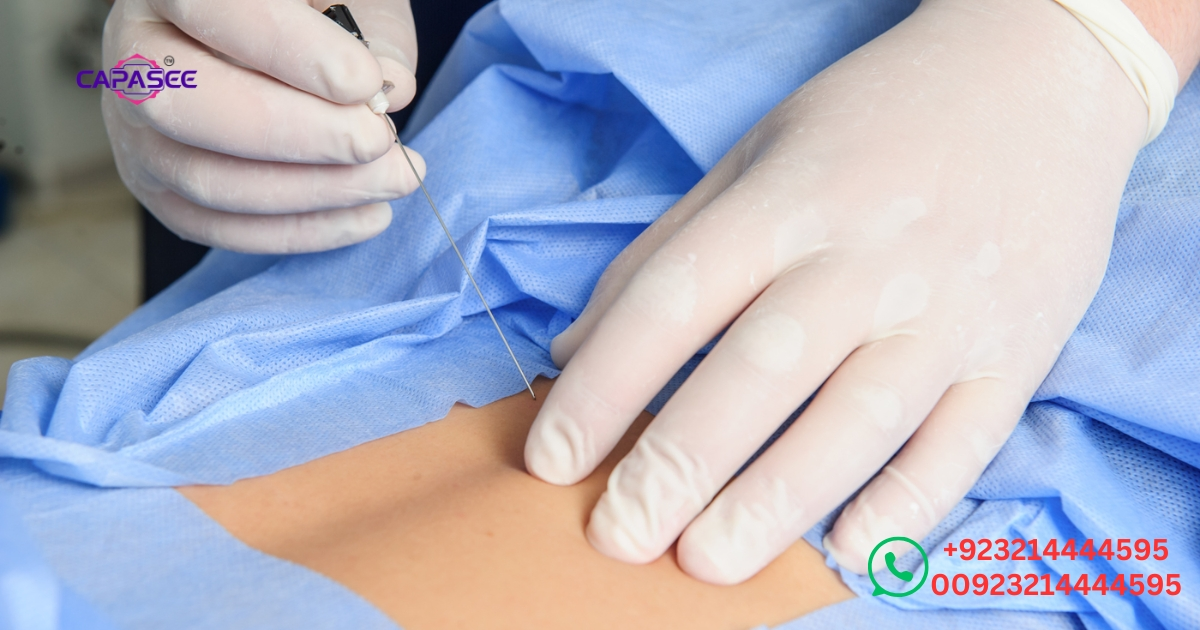
Cauterizing a wound is a good way to close it up or stop the bleeding, but it can be painful. At Capasee Electro Medical Engineering, they follow the right guidelines for pain management and cauterization to make things less painful. The goal is to make the pain level of the cauterizing procedure as low as possible for patients.
When pain is kept to a minimum, the healing process following cauterization goes more smoothly. Capasee uses advanced anesthesia to keep you from feeling discomfort during the process. The team makes sure that pain during cauterization is under control and recovery is faster by focusing on wound care after cauterization.
Effective Strategies for Controlling Pain During Cauterization
The Capasee team uses cutting edge methods to make sure that the least amount of discomfort is felt during the heat cauterization process. Local anesthetic is often used to numb the area and make the wound feel less painful. After the procedure, cooling treatments may also be used to help with pain and swelling.
Capasee not only helps with medical cauterization pain reduction, but it also gives personalized pain management for cauterizing wounds. Patients are thoroughly watched throughout and after the treatment to make sure that the pain control measures work and that the recovery period from cauterization is as short as possible.
Role of Anesthesia in Minimizing Discomfort During the Cauterization Procedure
Anesthesia is very important for making the process of cauterizing a wound go smoothly. Local anesthetics work well to numb the area, which makes the operation much less painful. This makes it possible for the cauterization process to treat wounds without too much pain.
Anesthesia’s job is to keep the pain level as low as possible when cauterizing wounds. This approach not only helps with pain right away, but it also makes the healing process more comfortable.
Pain Management in Cauterizing Wounds: Capasee Expert Approach
The expert way of pain management practiced by Capasee is the anticipation of pain through pre and post treatment care. When carrying out the cauterization procedure, they make sure that the patients are very comfortable by applying the local anesthetic and other pain relieving agents. The patients are given clear guidelines to follow any form of wound cauterization, and residual pain that may occur after treatment.
By emphasizing the healing process of cauteries and continued care, Capasee makes sure that the pain relief process continues even after the process. When well treated and handled, the time taken to heal is reduced and the side effects of the cauterization process are minimal.
Read More: Our Products
Safe Healing and Aftercare Tips for Cauterized Wounds by Capasee Electro Medical Engineering
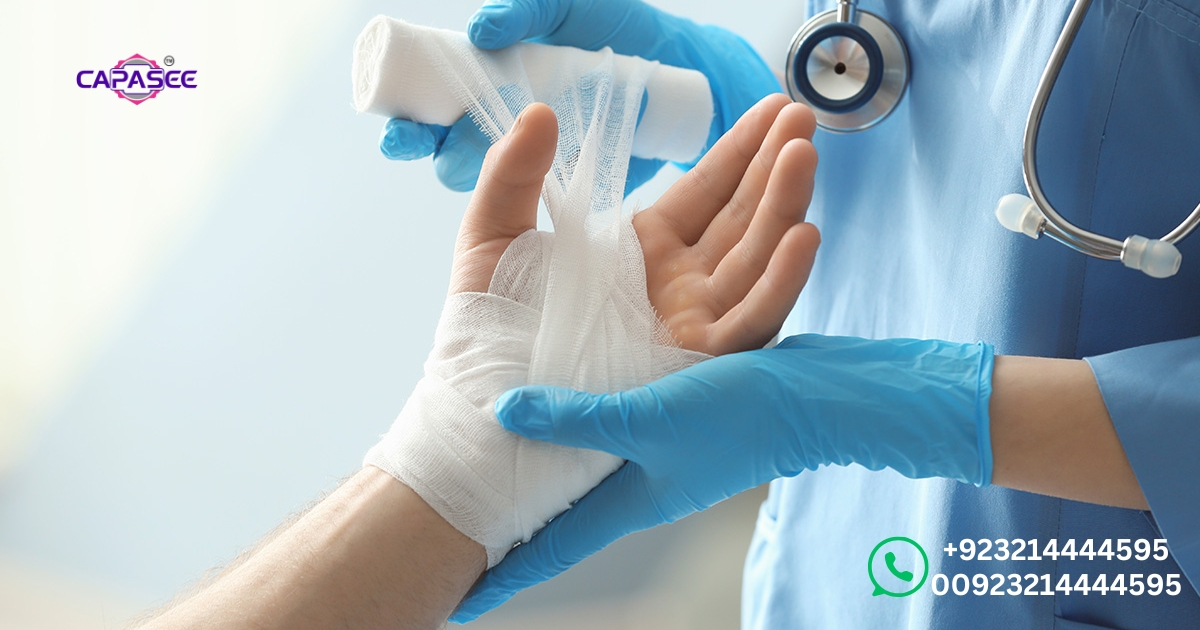
Cauterizing a wound is a convenient medical practice of closing a wound or preventing it from bleeding. Good after cauterization wound care is important in healthy recovery. The correct aftercare methods may assist the patients to resume their normal lives sooner by ensuring that they do not experience much pain during cauterization and that they heal quickly.
The prime intention of Capasee Electro Medical Engineering is to ensure that the post cauterization healing process is a smooth, workable process. New procedures allow for reducing the amount of time required to restore following cauterization. Capasee ensures that the patients experience minimal pain as they heal their wounds, as the wounds heal fast because he reduces the pain associated with cauterization of the wounds.
Aftercare for Cauterized Wounds: Ensuring Comfort and Faster Healing
The relevant aftercare measures when cauterizing a wound are quite crucial. Proper self care prevents the occurrence of problems and reduces the adverse impact of cauterization. Washing and drying the wound is also important to ensure that the wound does not become infected and that cautery healing is a smooth process.
This can be done by taking the painkillers you have been prescribed by your doctor to help with the discomfort that remains after the heat cauterization. The procedures of pain management that Capasee uses are aimed at ensuring that the healing process is as comfortable as possible to ensure that the patients recover with as little pain as possible. Adherence to the instructions on how to tend to a cauterization wound also makes the process faster.
Healing Process After Cauterization: What to Expect
The healing process of the cauterization in wound treatment normally requires days to initiate. Although certain side effects, such as a burning sensation of the wound, are normal, they can be managed and they subside relatively fast. The swelling and mild pain can only be anticipated in most patients in the short term, after which improvement becomes significant.
When the cauterization is performed, the replacement of the wound by unnecessary stress has to be avoided during the recovery time. Abiding by the aftercare tips provided by Capasee means that the wound will heal effectively and without complications and will be less painful to cauterize and will also heal in a shorter period.
Cauterization Benefits and Pain: Why Safety Matters at Capasee
Cauterizing a wound has a number of benefits, such as stopping the bleeding and speeding up the healing process. Even if the treatment is uncomfortable, Capasee innovative methods make sure that safety and comfort come first. Capasee improves patient satisfaction and recovery speed by providing good pain management during cauterization.
At Capasee, the goal is to reduce the symptoms and indicators of cauterization discomfort by thorough planning and treatment. This makes sure that patients feel less pain, which ensures that the healing process following cauterization is both safe and effective.
Frequently Asked Questions
How painful is cauterizing?
Cauterizing can be uncomfortable, usually causing a burning feeling, but the pain is controllable with the right care.
Do they numb you for cauterization?
Yes, a local anesthetic is usually given to numb the area and make the surgery less painful.
Do cauterized wounds scar?
Cauterized wounds can leave scars, but taking care of them properly can help reduce scarring.
Is cauterization painful without anesthesia?
Yes, cauterizing a wound without an anesthetic can be very painful because of the heat.
What is the recovery time for cauterization?
The time it takes to heal varies, but most people do so in 1 to 2 weeks with the right treatment.
Final Thoughts
The pain associated with the cauterizing a wound is determined by a number of factors, which comprise the treatment magnitude and the application of anesthesia. In spite of it being an unpleasant experience, the use of local numbing and new methods, such as local numbing, would reduce the pain to a considerable extent. In the prevention of pain and fast healing, post care plays a vital role. Generally, however, when the correct procedures or techniques of pain management are applied, wound cauterization is usually not painful and it is a possible solution for healing wounds. You need to consult a professional before you undertake this treatment so that nothing can go amiss and you get back on your feet in a short period.