Indications of Laparoscopic Cholecystectomy

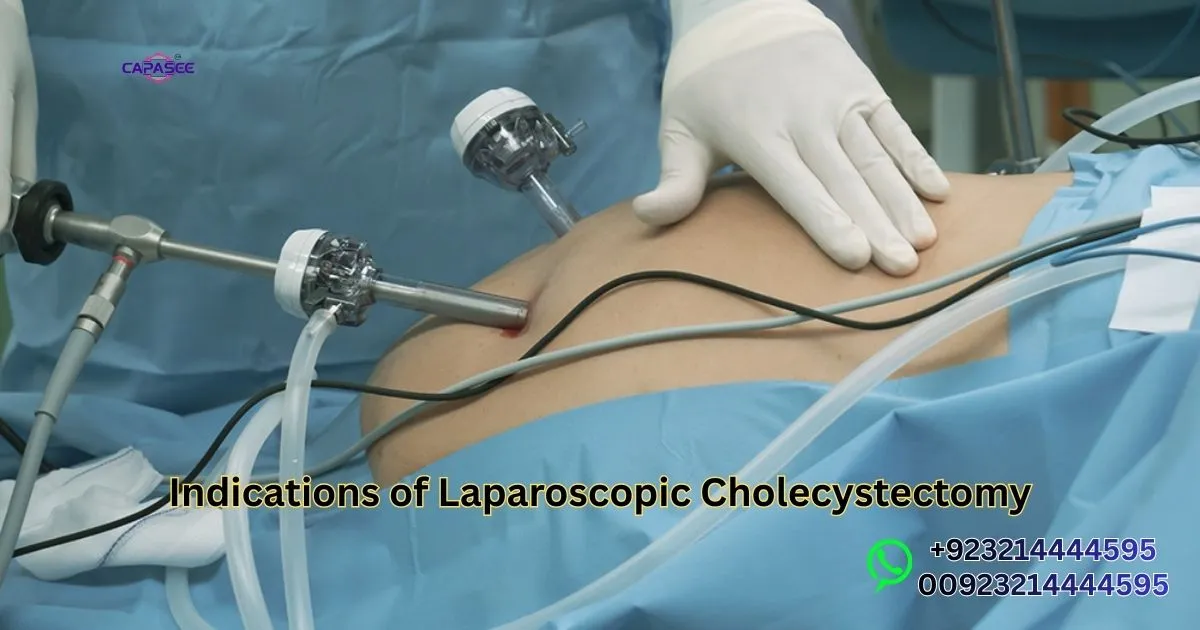
You are likely worried in case you have been experiencing sharp pains in the upper belly or sudden attacks following the consumption of oily food. Perhaps your doctor has prescribed surgery, and you are currently seeking the indications of laparoscopic cholecystectomy. Such a phrase is big and frightening. There is one thing you want to know. Do you or do you not require this surgery?
Here, you are going to receive a clear and easy description of the indications of laparoscopic cholecystectomy without any confusing medical terms. You will know when it is prescribed by doctors, why it is good, and what the signs are that you should not overlook. By the time you get to the finish line, you will feel more confident in your next move. We shall deconstruct it in simple English so that you can make the right choice regarding health.
Key Symptoms Requiring Laparoscopic Cholecystectomy
Severe pain in the upper right belly is experienced by people who have acute cholecystitis or chronic cholecystitis. The pain may take hours and increase after having fatty food. In addition to pain, gallstones or symptomatic cholelithiasis may obstruct the bile duct, resulting in nausea, vomiting, and fever. And these are the most frequent indications of laparoscopic cholecystectomy that physicians in Pakistan monitor closely.
Additional manifestations are recurring biliary dyskinesia assaults or acalculous cholecystitis. Surgery can be required for patients who have gallstone pancreatitis or gallbladder polyps that keep growing to prevent any severe complications. In some cases, masses on the gallbladder or chronic inflammation are an indication of laparoscopic cholecystectomy for early intervention. Observation of these symptoms assists physicians in determining whether laparoscopic surgery to remove the gallbladder should or should not be conducted.
Top Pain Signals for Gallbladder Surgery
A clear warning is severe pain in the right upper abdomen after eating, particularly fatty food. The discomfort usually extends to the back or shoulder. Patients can also experience bloating and nausea. The continued or recurrent cases of this pain are usually equivalent to the indications of laparoscopic cholecystectomy.
Physicians also test cholelithiasis or cholecystitis, which is detected through ultrasound. The increase in white blood cells and abdominal tenderness are also indicators. Early surgeries decrease the possibility of the occurrence of gallstone pancreatitis or severe infections. Knowing these patterns of pain will enable the patients of Pakistan to respond promptly and prevent complications.
You May Also Read This Blog: Laparoscopic Heller Myotomy
Symptoms Needing Urgent Intervention
Symptoms such as high fever, jaundice, or body pain are sudden indicators of the need to perform surgery. These indicators portray obstructed bile ducts or complications with gallbladder diseases. Postponement of laparoscopic cholecystectomy may be hazardous and prolong the recovery period.
Acalculous cholecystitis patients or patients with acute gallstone pancreatitis in general need emergency treatment. Early intervention eliminates the progressive infection and serious tissue damage. In Pakistani hospitals, priority is given to these cases to remove the gallbladder early before the lives of the patients are lost.
When Laparoscopic Cholecystectomy Needed in Pakistan
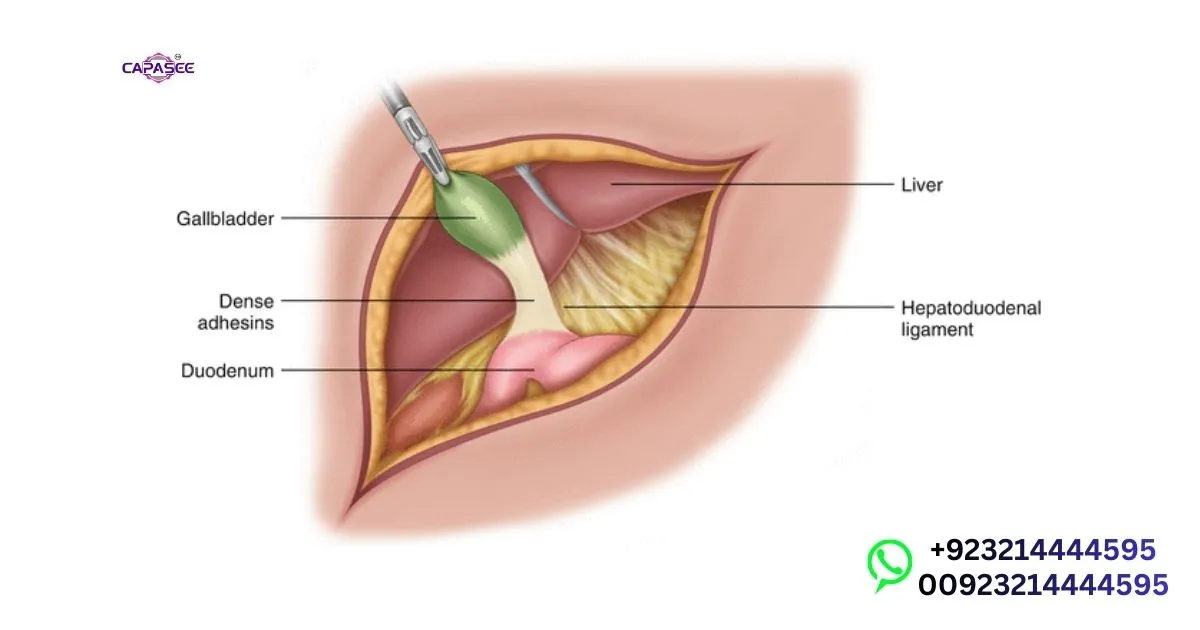
The laparoscopic surgery is advised in Pakistan among patients who have repeated symptomatic cholelithiasis or who have proven cholecystitis. Minimally invasive cholecystectomy has been available at modern hospitals and is less painful and less time consuming. International standards have been adopted in many clinics to ensure the removal of the gallbladder.
It is also recommended in cases where the patient has polyps of the gallbladder, sluggish flow of bile, or biliary dyskinesia that leads to unremitting pain. Increasing masses or inflammation of the gallbladder by chronic cholecystitis is a major indication of laparoscopic cholecystectomy in Pakistan. Timely surgery helps to avoid serious complications and enhance life.
Local Triggers for Gallbladder Removal
Fatty food and obesity in Pakistan predispose to the occurrence of gallstones and gallbladder disease. Patients tend to complain of recurrent stomachache, bloating, or nausea following a heavy meal. These are the indicators that make the physicians prescribe laparoscopic surgery to remove the gallbladder.
Cases of cholelithiasis, cholecystitis, and early gallstone pancreatitis are also examined in healthcare centers. The local physicians would choose a fast healing, minimally invasive cholecystectomy. It is possible to prevent severe liver or pancreatic issues by tracking recurrent symptoms in patients, which are key indications of laparoscopic cholecystectomy.
Indications for Surgery Pakistan Guide
In Pakistan, acute cholecystitis, chronic cholecystitis, symptomatic cholelithiasis, and biliary dyskinesia are regarded as the primary indications of laparoscopic cholecystectomy by physicians. Strong candidates are also those patients with acalculous cholecystitis, increasing gallbladder polyp, or gallstone pancreatitis.
Laparoscopic surgery is safe when the symptoms are identified early. Patients with recurrent attacks or severe discomfort are the priority in the hospitals. Early removal of the gallbladder prevents danger, enhances digestion, and prevents infections. After this guide, patients are prepared to know the need for surgery and what to expect.
Laparoscopic Cholecystectomy for Gallstones in Pakistan
Acute cholecystitis and symptomatic cholelithiasis patients are usually exposed to severe pain and nausea. The recurrence of chronic cholecystitis and pancreatitis due to gallstones is a clear indication of laparoscopic cholecystectomy. Removal of the gallbladder at an early stage helps to avoid severe complications and enhances digestion.
In Pakistan, surgery is advised in clinics because of biliary dyskinesia, acalculous cholecystitis, or polyps of the growing gallbladder. Bulky masses of the gallbladder and recurrent cases of gallbladder disease are also indicators that prompt doctors to carry out a cholecystectomy. These are typical indications of laparoscopic cholecystectomy among local patients.
Why Gallstones Demand Capasee Supported Surgery
Laparoscopic surgery with Capasee tools is modern, and gallstones can be removed with both accuracy and precision. Repeat cholelithiasis or cholecystitis patients experience reduced pain, reduced scars, and accelerated healing. This is an approach that is increasingly being adopted by hospitals in Pakistan.
The accuracy is also risk averse for patients having polyps of the gallbladder or gallstone pancreatitis. Capasee assisted instruments are seen as the best for the safe removal of the gallbladder by surgeons. The approach enhances the healing process and averts the occurrence of post operative complications among Pakistani patients, aligning with the indications of laparoscopic cholecystectomy.
Proven Cases in Pakistani Patients
Laparoscopic cholecystectomy was done on patients with symptomatic cholelithiasis or acute cholecystitis; many of them have healed well. According to the reports by surgeons, there was a low risk of infection, and hospitals were discharging at a rapid rate. The development of gallbladder disease was prevented by the early intervention, highlighting the clear indications of laparoscopic cholecystectomy in such cases.
Chronic cholecystitis, biliary dyskinesia, or an increasing mass of the gallbladder were also beneficial to patients. The operation was very successful in relation to pain management and minimisation of recurrent attacks of gallstone pancreatitis. These results agree with the reliability of Capasee assisted laparoscopic surgery and support the clinical indications of laparoscopic cholecystectomy in chronic and complicated gallbladder conditions.
Check More & Purchase: Our Products
Benefits of Laparoscopic Gallbladder Surgery
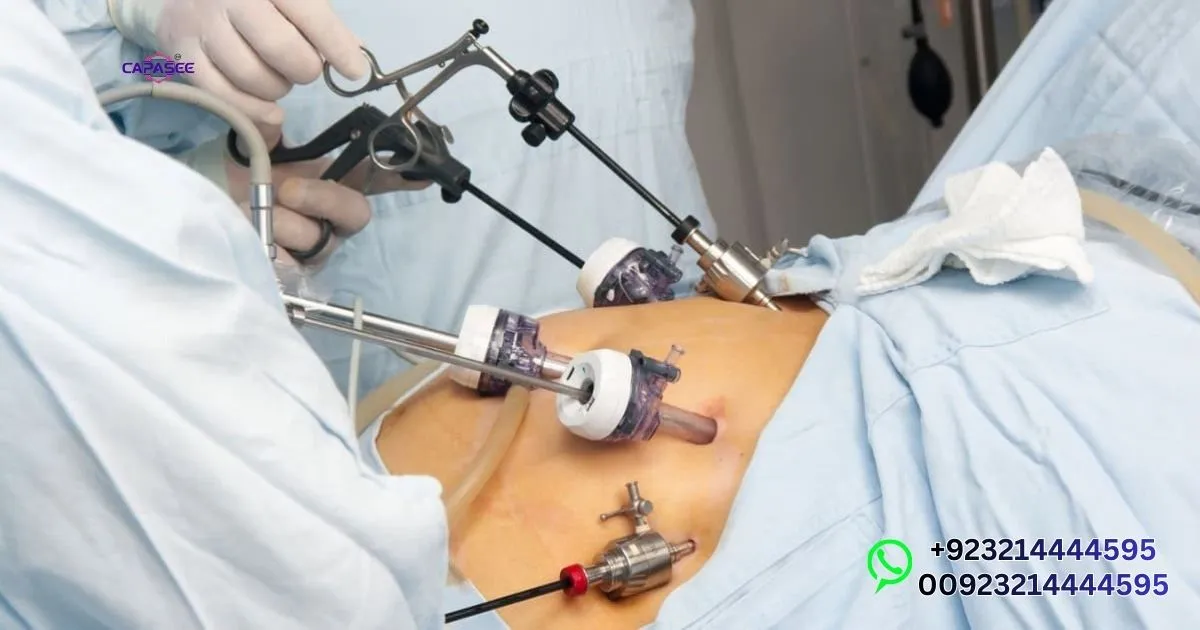
Laparoscopic surgery has a quicker recovery rate than open surgery. Patients suffering from acute cholecystitis, symptomatic cholelithiasis, or acalculous cholecystitis do not spend a lot of time in the hospital, and soon, they resume normal lives. Lesser cuts minimize the risk of infections and scarring. This demonstrates the practical indications of laparoscopic cholecystectomy in patients requiring fast recovery and minimal surgical trauma.
Physicians also prescribe it in case of gallbladder polyps, gallbladder masses, and persistent biliary dyskinesia. Premature cholecystectomy enhances digestion, prevents pancreatitis of gallstones, and reduces complications in the long term. Pakistani patients consider it safe and reliable in the removal of the gallbladder, reflecting the established indications of laparoscopic cholecystectomy for preventive and therapeutic purposes.
Fast Recovery with Capasee Precision Tools
Capasee instruments provide safer and quicker laparoscopic procedures. Gallstones can be removed carefully by surgeons without damaging the neighboring organs. Patients experience less pain and quicker healing, and they are able to resume work faster, unlike in the traditional methods. Such tools reinforce the recognized indications of laparoscopic cholecystectomy for improved post operative outcomes.
Research indicates that chronically inflamed cholecystitis, symptomatic cholelithiasis, or gallbladder polyps patients are cured within days. In Pakistan, Capasee assisted removals of the gallbladder are very effective because of the few complications and reduced hospitalizations, confirming the medical indications of laparoscopic cholecystectomy for these conditions.
Why Choose Minimally Invasive in Pakistan
Minimally invasive cholecystectomy costs less to the hospital, recovers faster, and does not create any major scars. It works best with patients who have biliary dyskinesia, gallstone pancreatitis, or acalculous cholecystitis. The Pakistani clinics are concerned with safety and efficiency.
Early surgical intervention will help to prevent the aggravation of gallbladder disease and the recurrence of acute cholecystitis. Laparoscopic surgery with Capasee means that patients are pain free and that they resume their normal lives. These points emphasize the clear indications of laparoscopic cholecystectomy in minimally invasive gallbladder procedures in Pakistan.
Frequently Asked Questions
What are the indications for laparoscopic cholecystectomy?
Laparoscopic cholecystectomy is required in patients who have gallstones, acute or chronic cholecystitis, or have biliary dyskinesia, gallstone pancreatitis, or gallbladder polyps.
What are the 4 F’s for gallbladder removal?
Patients with either gallstones, acute or chronic cholecystitis, or biliary dyskinesia, gallstone pancreatitis, or neoplastic polyps in the gallbladder need a laparoscopic cholecystectomy.
What are the 5 F’s for gallbladder?
Fat, Female, Forty, Fertile typical gallstones and possible removal of the gallbladder risk factors.
What are the indications for laparoscopic surgery?
It is applied in the removal of the gallbladder, hernia repair, appendectomy, and other procedures, which require minimally invasive surgery.
What are the absolute contraindications for laparoscopy?
Uncontrolled bleeding, severe heart or lung disease, or extensive abdominal infection contraindicate safe laparoscopic surgery.
Final Thoughts
Laparoscopic cholecystectomy has its signs, which are understood to enable the Pakistani patients to make informed decisions regarding the removal of the gallbladder. The presence of such conditions as acute cholecystitis, symptomatic cholelithiasis, biliary dyskinesia, and gallstone pancreatitis is a clear indication of laparoscopic cholecystectomy. The early diagnosis will avoid complications and guarantee quicker recovery. Laparoscopic surgery nowadays has minimal pain, scars, and reduced hospitalization. Being aware of such signs and indications of laparoscopic cholecystectomy, patients will be able to respond timely, safeguard their digestive system, and experience a more comfortable and safe recovery with positive results from the well known healthcare centers.