How Painful Is Cauterization

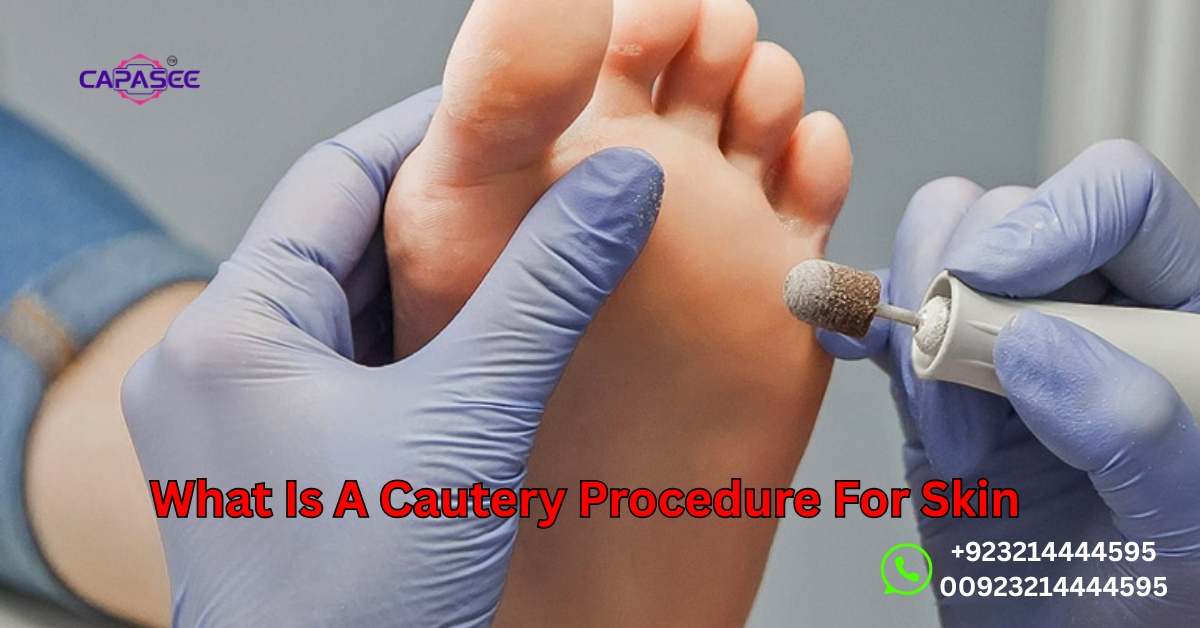
People can get nervous just hearing the phrase “cauterization.” You might think of blazing pain, sharp tools, or a remedy that makes the situation worse than it is. You’re not the only one who has wondered, “How painful is cauterization?” A lot of people are nervous before the surgery since they don’t know what to expect.
This site will put your mind at ease in plain English. You’ll find out what cauterization really feels like, how doctors deal with the pain, and what the recuperation process is really like. By the conclusion, you’ll know exactly what to expect, which will make you feel better and less stressed before you go through it.
How Painful Is Cauterization: What to Expect from the Procedure at Capasee
Cauterization is a surgical practice whereby heat, chemicals, or electricity are applied in order to stop bleeding and close tissues. Many people are concerned about the effectiveness of cauterization being painful, yet doctors often prescribe local anesthesia to ensure that it is not so painful. This aids in reducing the stinging sensation in the process of therapy.
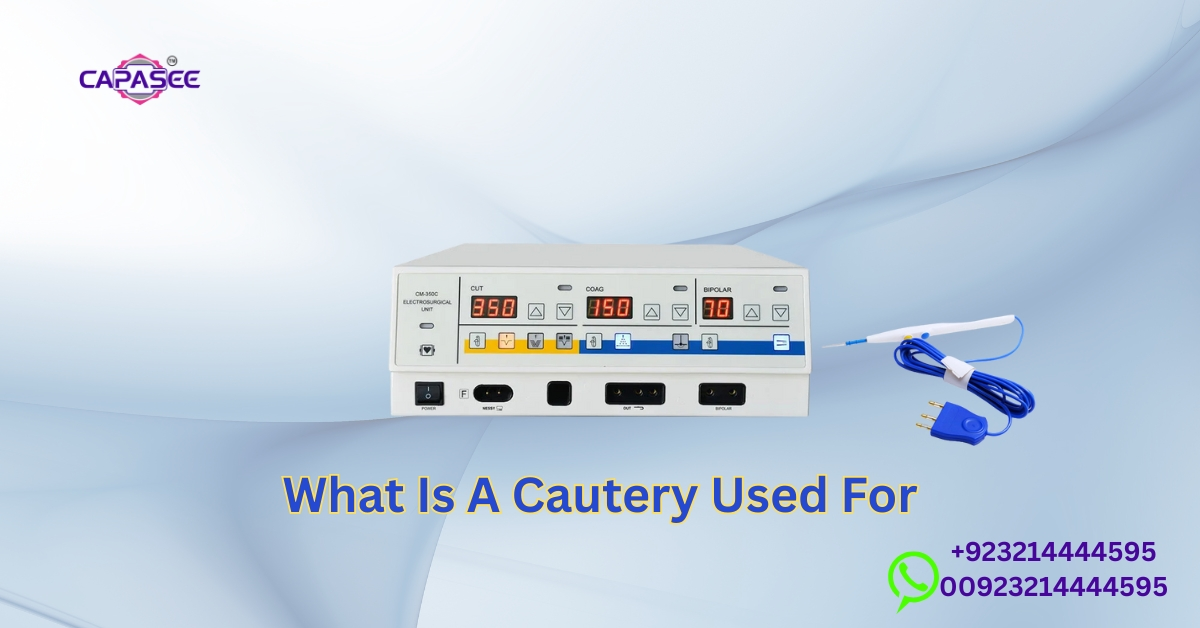
Capasee Electro Medical Engineering possesses advanced equipment and skilled employees who simplify the cauterization process. The degree of pain in the course of cauterization depends upon the form of treatment, the pain threshold of the patient, and the location of the treatment. The procedure is non invasive and recovery begins quickly in case of pain that is controlled.
Exploring the Pain of Cauterization: Is Cauterization Painful?
The truth is that every patient suffers from cauterization discomfort differently. Some people say they feel a little burning pain in their tissues, while others say they feel a quick stinging ache. Local anesthetic cauterization lessens this feeling and protects nerve endings, especially in cases where painful is cauterization required during specific types of tissue treatment.
It will be a little painful, but that is part of the curing. The majority of patients only feel some slight irritation or discomfort. The physician will prevent the blood loss with sufficient attention, which is why the pain does not last long.
You May Also Read This Blog: What Is The Temperature Limit For Monopolar Cautery
Cauterization Procedure Pain Explained: Factors Influencing Discomfort
There are a number of things that can make cauterization uncomfortable. The type of cautery, like electrocautery pain or chemical cautery pain, changes how strong the pain feels. Age of the patient, size of the wound, and the type of cautery used are other things to think about when evaluating how painful is cauterization under different conditions.
Steps for good pain alleviation include cauterization and lower stress. Doctors explain how to care for a cautery wound and make sure that you heal faster after the cauterization. The recovery time after cauterization can be different, but patients can go through it with confidence if they have the right help.
Managing Cauterization Pain and Recovery with Capasee Advanced Techniques
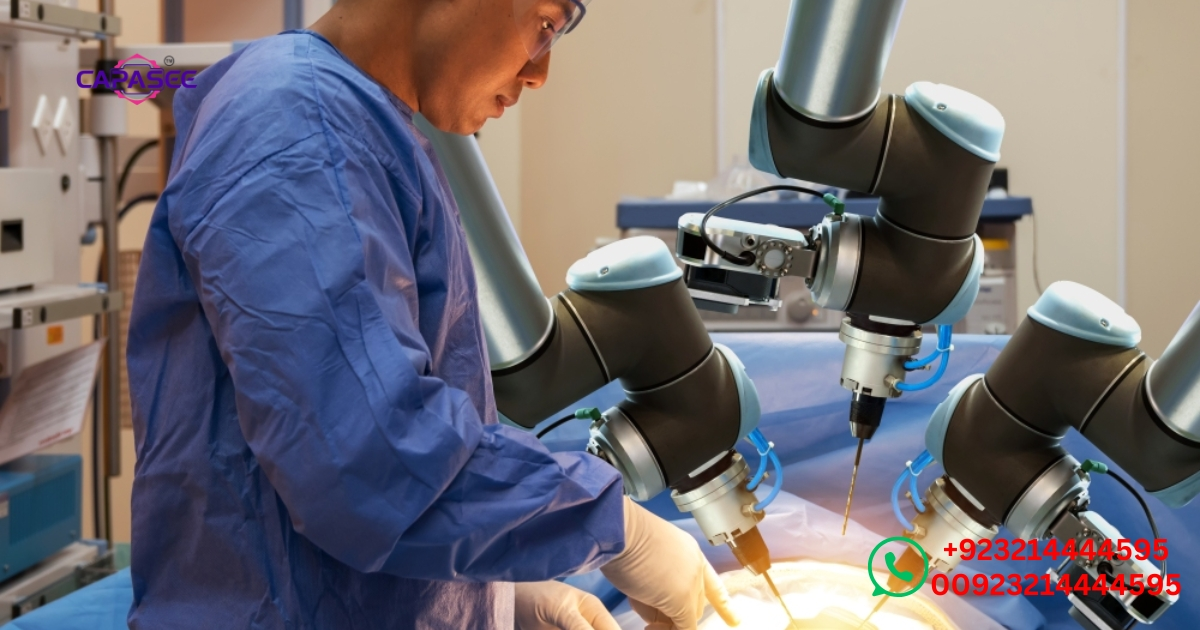
Cauterization may sound scary, but at Capasee Electro Medical Engineering, they use sophisticated procedures that make the treatment feel safer and smoother. Patients typically want to know how painful is cauterization, however, new methods of cauterization focus on making the process less painful and speeding up the healing process. In Pakistan, skilled doctors employ new devices that make cauterization less painful and more comfortable for everyone.
Doctors can control any scorching or sensitive feelings during treatment by using a local anesthetic and carefully managing pain. The patient feels less stress since the nerve endings are protected and the tissue damage is kept to a minimum. Cauterization recovery is faster with supervised care, and the pain that comes after the treatment doesn’t last long.
Local Anesthesia for Cauterization: Minimizing Pain During the Procedure
To ensure that the treatment will be virtually painless, doctors depend on local anesthetic cauterization. The numbness effect eliminates sharp pains and reduces cauterization pain, which is crucial for patients concerned about how painful is cauterization. This will make the cauterization process less overwhelming to the patients, particularly those with low pain thresholds.
Patients experience minimal discomfort, which is no more than slight swellings, by using local anesthesia before the cauterization of wounds. Such an approach contributes to the enhancement of pain evaluation and safe hemostasis. Consequently, the patient is not stressed out during the process.
Cauterization Pain vs Surgery: Comparing Discomfort Levels and Recovery Time
When individuals draw a comparison of cauterization pain and surgery, they discover that cauterization is normally less painful. Surgery is characterized by increased tissue injury, prolonged post surgical pain, and increased postoperative pain. Conversely, electrocautery pain or chemical cautery pain is expected to be brief and controllable. This supports the perception that painful is cauterization only in comparison to mild, short term discomfort rather than prolonged surgical pain.
Cauterization recovery is faster in most instances compared to the surgical recovery. Patients can resume their normal activity in days, whereas surgery can take weeks. Its low side effects of cautery and the short healing time of cauterization make it a choice for most and safer.
Cauterization Aftercare Pain and Healing: Tips for Effective Pain Relief
The patients undergoing treatment in the given area complain of minor tissue burning pain or nasal cauterization pain after the procedure. Proper cautery wound care reduces the risk of infection, and it also reduces the duration of the healing process. Addressing how painful is cauterization in aftercare settings includes proper hygiene and follow up routines.
The prescription of medications, mild washings, and follow ups is a better way to implement cautionary measures to relieve pain. When administered by a trained individual, the pain that is brought about by the cauterization fades quite rapidly and the pain that is brought about after the cauterization fades away as the wound improves. Early treatment will ensure successful recovery with better long run results.
Common Cauterization Side Effects and How Capasee Ensures Minimal Cauterization Wound Pain
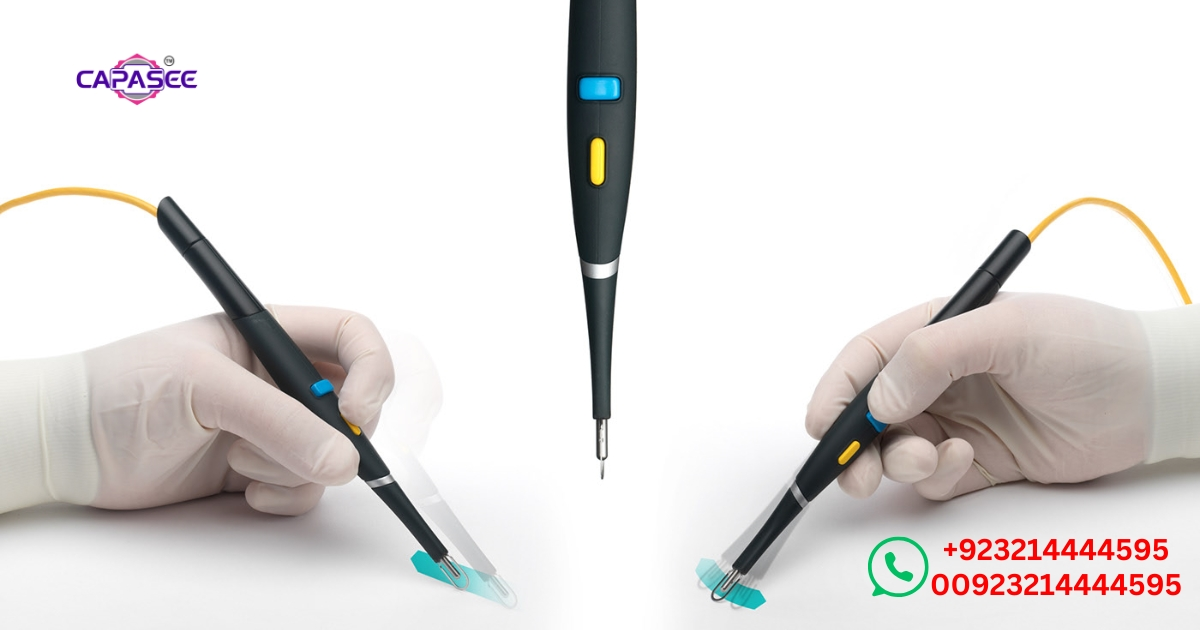
Cauterization is a safe surgical operation, yet people are always concerned about the painfulness of the cauterization procedure during and after. Capasee Electro Medical Engineering employs the innovative cautery methodology in order to make the surgery less painful and accelerate the healing process. The modern tools are used to relieve the burning sensation, treat swelling, and cover nerve endings to allow the patients to be less stressed and cured quickly.
There are those whose pain or discomfort, which may be experienced during the cauterization process, may be slight burning of the tissues or pain, and in such cases, the professional clinicians apply a local anesthetic to alleviate the pain. To ensure that the level of pain is reduced during the cauterization process, the team ensures that it pays attention to the process of properly managing pain. As to the question of how painful is cauterization, patients in Pakistan are less affected by cautery and recover quickly after the effect of the practice when they do not violate safe protocols and are assisted by experts.
Read More: Our Products
Cauterization Side Effects Pain: What Causes It and How to Manage It
Some pain after cauterization is normal and develops due to little tissue damage and inflammation. Those curious about how painful is cauterization might note that some people feel pain or stinging in their nose after nasal cauterization. These side effects normally don’t last long because the body starts to stop bleeding and recover itself right away.
Doctors help patients deal with pain after surgery by giving them drugs, caring for them in a calming way, and using safe methods to care for their wounds. Local anesthetic cauterization makes the procedure less painful from the outset. If you choose the correct method for pain alleviation, cauterization, you can effectively control both electrocautery pain and chemical cautery pain. Addressing the concern of how painful is cauterization, these treatments help minimize discomfort.
Cauterization Recovery Pain Duration: What’s Normal and When to Seek Help
The majority of the world observes that painful is cauterization to a mild extent and it disappears within several days. Normal signs entail mild sensitivity, brief pain and slight redness of the wound. They belong to an effective healing following wound cauterization.
When the healing period of the cauterization takes longer than normal or if there are side effects of cauterization, consultations are significant. Extreme pain with cauterization or prolonged pain after the procedure is an indicator of infection. Understanding how painful is cauterization helps patients recognize when expert assistance is needed. When this is done correctly by evaluating the pain and having professional assistance, patients recover faster and resume normal living without having any fear of the pain level of cauterization.
FAQ’s
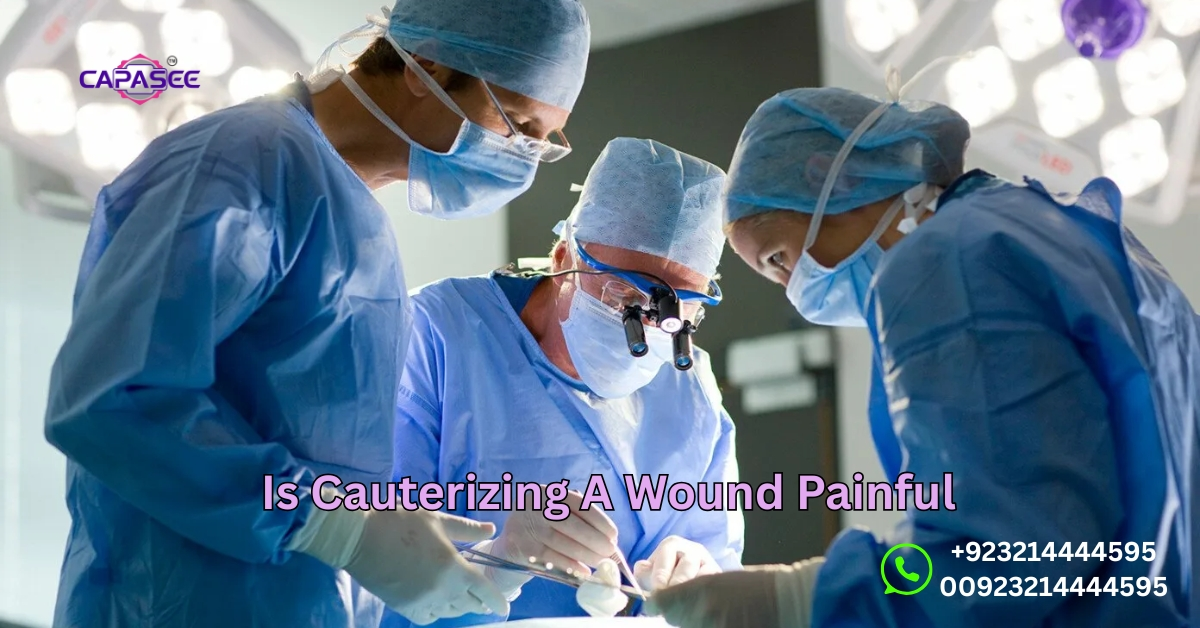
Is cauterizing a wound painful?
When a doctor cauterizes a wound, it may hurt for a short while, but they have ways to keep the pain minimal and under control.
Is cauterization painful without anesthesia?
Cauterization hurts and feels sharp without an anesthetic; therefore, doctors usually use local anesthesia to make it less painful.
How long does cauterization take to heal?
Most cauterization wounds heal in one to three weeks, although this depends on how big the cut is and how well you take care of it.
Will cauterization leave scars?
Cauterization can leave minor scars, but with the right treatment and contemporary methods, they will fade with time.
What to avoid after cauterization?
To avoid infection and pain, don’t touch the wound, work out hard, or use strong chemicals until it heals.
Conclusion
Patients feel more at ease before treatment when they know how painful is cauterization. Even though you may feel some mild pain and burning, the process is safe and bearable because of contemporary methods, local anesthesia, and expert care. Most people only feel pain for a brief time before it starts to heal. The healing time goes smoothly and the chances of complications are low with the right aftercare. Patients in Pakistan can get cauterization with peace of mind because they know the pain will only last a short time and the benefits will last much longer.