What is The Difference Between Laser Cautery and Electrocautery

Have you ever thought about the difference between laser and electric cautery? You’re not the only one. A lot of people become confused when they hear these two words, especially when they have to go through a treatment that can entail one of them. It can feel like attempting to figure out a hard scientific course when all you want is a simple answer.
We’ll explain the main difference between laser cautery and electrocautery in the clearest way possible in this blog post. You’ll find straightforward answers whether you’re getting ready for a medical procedure or just want to know how these procedures function. Keep reading to learn about the different methods and how they assist doctors in undertaking delicate surgery.
What is The Difference Between Laser Cautery and Electrocautery at Capasee Electro Medical Engineering?
The difference between laser cautery and electrocautery are both innovative ways to cut or seal tissue during surgery, although they do it in distinct ways. Doctors can make the best choice for different types of surgery if they know how they work. Both of these methods are very important in modern surgeries at Capasee Electro Medical Engineering.
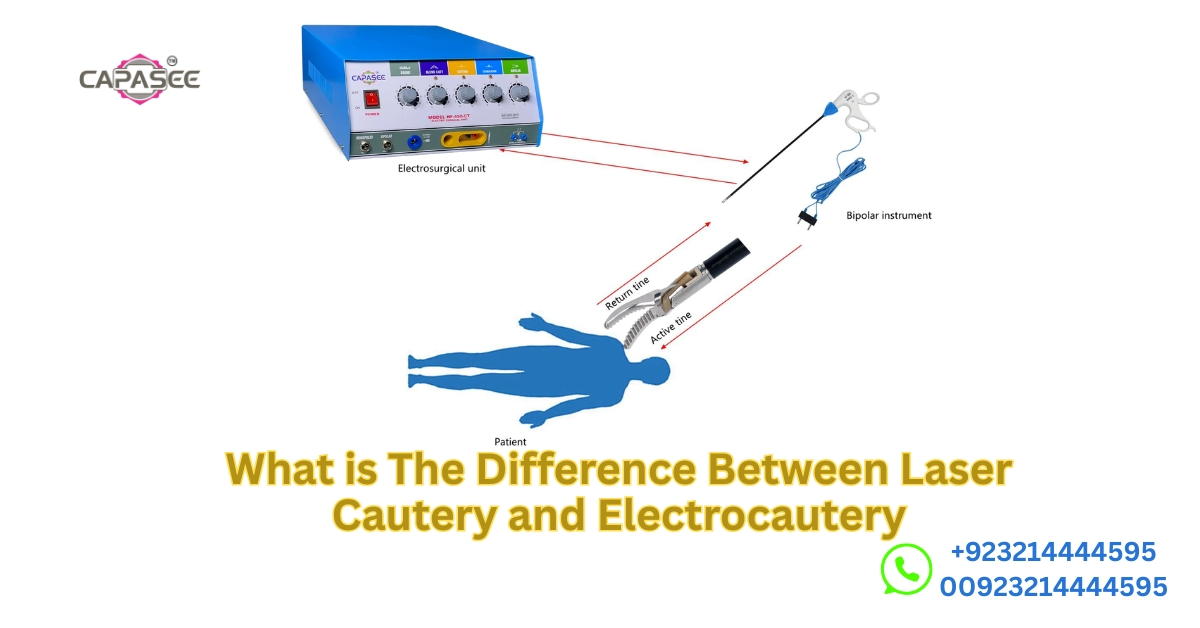
Laser cautery involves the use of a focused laser to cut or burn tissue and the use of electrical current does the same by electrocautery. The two treatments aim to contain the bleeding and reduce the risk of infection, although each has its advantages in specific fields of medicine. We will discuss the working principles of them closely.
How Does Laser Cautery Work? Exploring Laser Cautery Equipment and Uses
Laser cautery uses focused laser light to cut through tissues or seal off blood arteries during surgery. The focused laser light mechanism warms the tissue at certain wavelengths, which makes the tissue either evaporate or burn. One of the benefits of laser therapy is that it stops bleeding and removes tissue very precisely.
The tools used for laser cautery depend on the type of operation. For instance, soft tissue laser dentistry surgery uses lasers with less strength to cut and coagulate tissue gently. Laser cautery is incredibly precise, which means it causes less damage to nearby tissues and speeds up recovery.
You May Also Read This Blog: What to Apply After Cautery
Electrocautery: How It Works and Electrocautery Equipment Insights
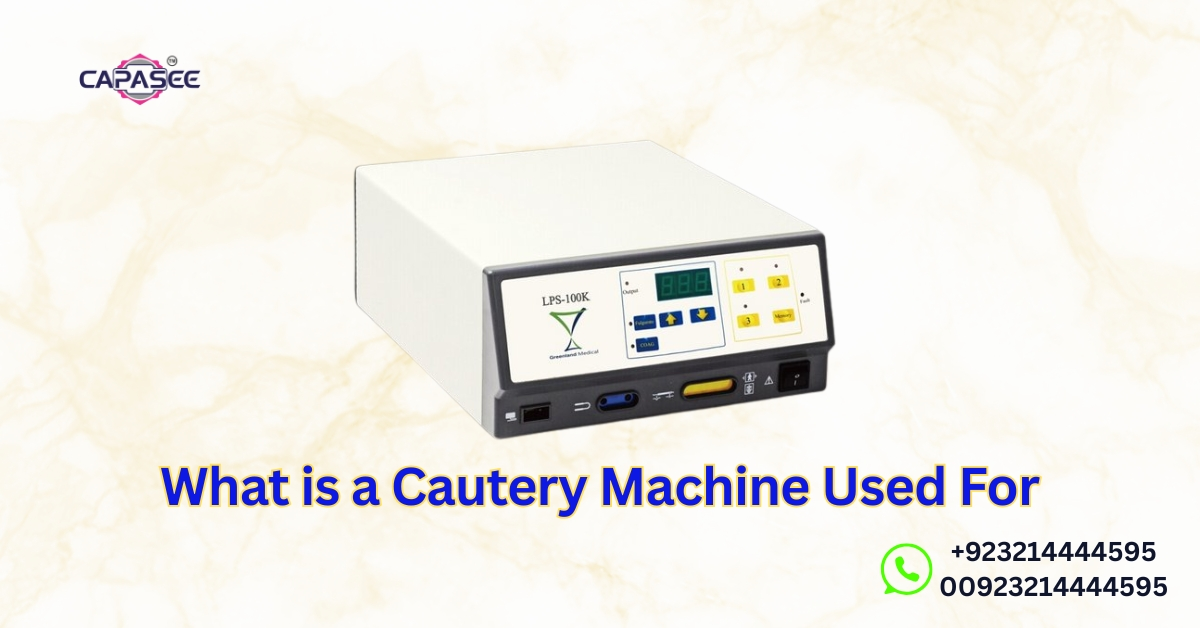
Electrocautery uses electricity to cut or coagulate tissue during surgery. The electrocautery thermal effect happens when the current goes through a metal wire that is heated in electrocautery. This makes the tissue very hot. This technique is commonly employed for the treatment of superficial tissues as well as for incisions in deeper tissues.
Electrodes on the electrocautery equipment send an electrical current to the tissue. Surgeons can use settings on these devices to manage the temperature of the incision, which ensures that the tissue is cauterized without too much harm. People commonly talk about electrosurgery vs. electrocautery since electrosurgery can encompass other treatments, such as radiofrequency electrosurgery.
Comparing Cautery Techniques in Surgery: Laser Cautery vs Electrocautery Pain, Recovery Time, and Side Effects
Laser cautery may be compared with electrocautery in terms of pain, recovery period and side effects may vary. Laser cautery will result in reduced thermal necrosis around tissue, which lessens inflammation and has a shorter recovery time. Also, laser therapy has advantages whereby it can sterilize the area of treatment with the bactericidal effect of laser surgery.
Conversely, electrocautery may cause muscle fasciculation because of the flow of electrical current through body tissue. The process could result in increased inflammation after surgery and delayed recuperation, according to the severity of the heat. The two methods have their applications in surgery and surgeons switch depending on the requirements of the surgery.
Summary Table: Laser Cautery vs Electrocautery
| Feature | Laser Cautery | Electrocautery |
| Mechanism | Uses laser light properties to cut and coagulate tissue | Uses electrical current to generate heat in tissue |
| Pain Level | Less pain due to precise tissue cutting | May cause muscle fasciculation in electrocautery |
| Recovery Time | Faster due to reduced surrounding tissue damage | Longer recovery with potential thermal necrosis |
| Uses | Often used for soft tissue laser dental surgery | Common in superficial tissue treatment |
| Side Effects | Minimal tissue damage | More inflammation and muscle fasciculation |
The difference between laser cautery and electrocautery is that both are very important tools in modern surgery. The type of tissue being treated and the level of precision needed will determine which one to use. Knowing how to use thermal injury tissue cauterization and surgical coagulation techniques lets you make smart choices about treatments that work.
Advantages of Laser Cautery and Electrocautery Explained by Capasee
At the Capasee Electro Medical Engineering, we specialize in offering high quality difference between laser cautery and electrocautery systems, which are of great advantage in performing various surgical operations. The two methods are quite efficient, and they provide accuracy, management, and minimization of the healing period for patients.
These are popular techniques applied in surgery, including the cutting of tissues and surgical coagulation methods. This is because, on comprehending the distinction between laser cautery in surgery and electrosurgery vs electrocautery, you will be able to decide on which one to use depending on the nature of the surgery.
Laser Cautery Advantages and Its Key Uses in Modern Surgical Procedures
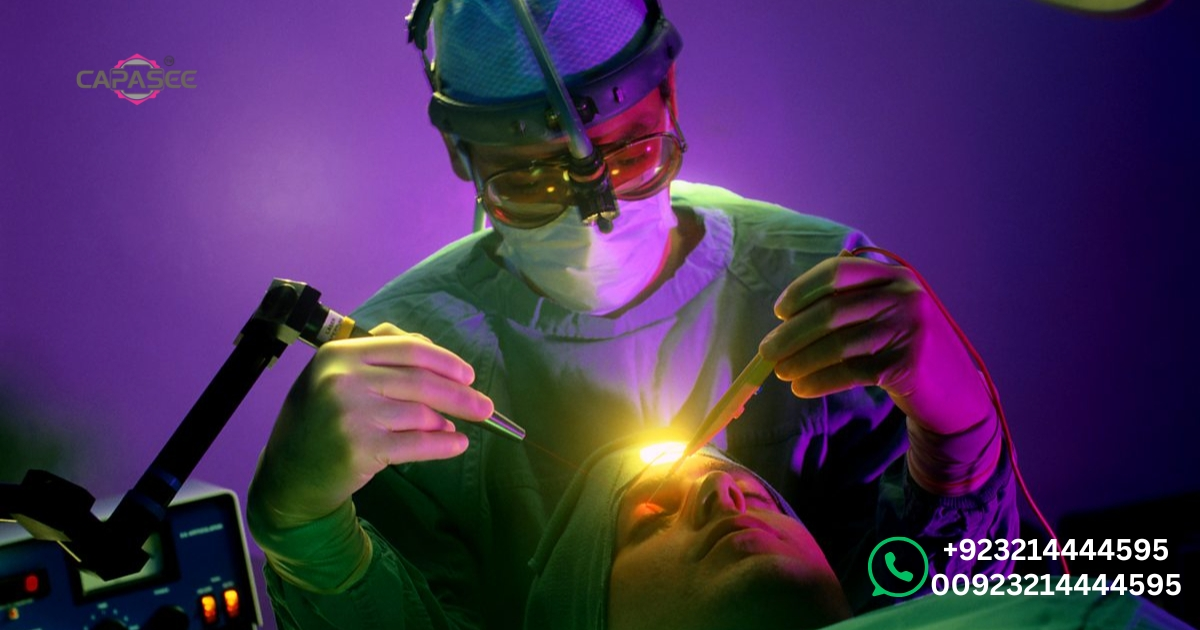
Laser cautery is the cutting technique in surgery using laser light; this implies that the surrounding tissue is not destroyed. Such a technique is particularly effective when it comes to soft tissue laser dental surgery, when one is dealing with sensitive tissue and the advantages of high intensity laser treatment. The laser cautery mechanism is used in preventing bleeding promptly using laser and electrocautery, which hastens the healing process.
Laser cautery can regulate incision temperature and thus allows one to make precise cuts and burn tissue to prevent bleeding. This is ideal for very delicate surgeries. Bacteria are also killed using laser surgery, thus reducing the chances of infection. This is what makes it the most suitable in contemporary procedures.
Read More: Our Products
Electrocautery Advantages: Why Capasee Electro Medical Engineering Recommends It
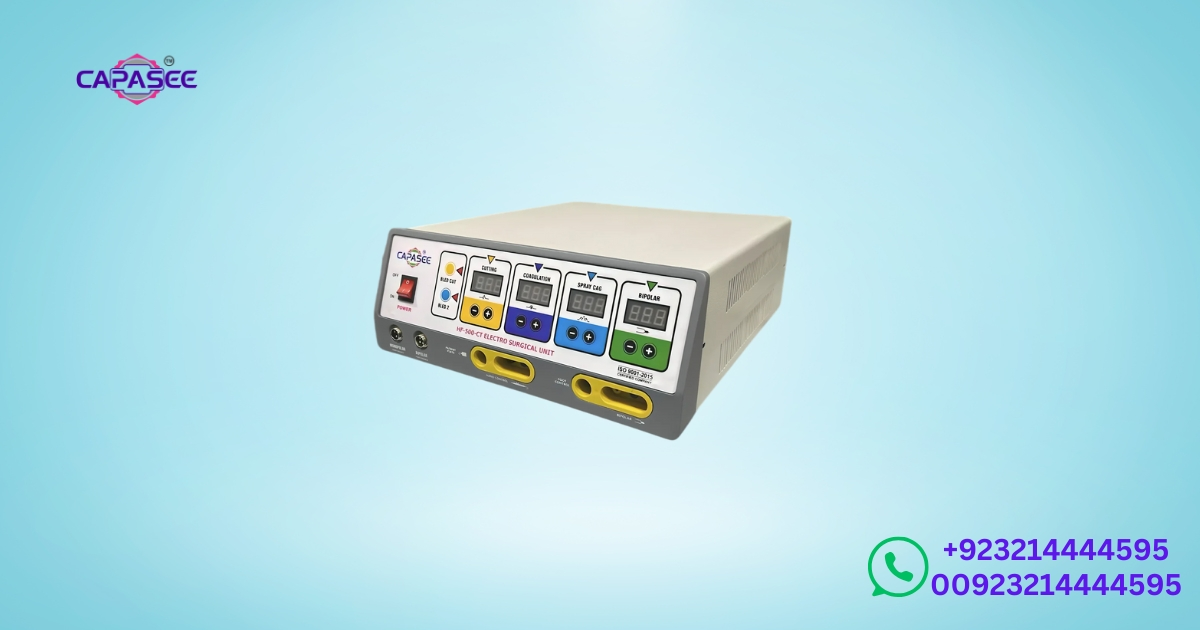
Electrocautery tools are useful for cutting and coagulating tissue by sending an electrical current through it. This procedure is highly recommended since it works well for treating superficial tissue with electrocautery. In electrocautery, metal wire heating is used to create heat, which speeds up and makes procedures more effective.
One of the main benefits of electrocautery is that it can handle both electrosurgical and electrocautery situations well. It also lets you manage the heat produced by cautery very precisely, which reduces injury to nearby tissue. Using numerous types of electrodes in electrosurgery makes it even more flexible, since different electrode designs can be used for varied surgical needs.
Difference Between Laser Surgery and Electrocautery: Choosing the Best for Your Needs
In comparing the difference between laser cautery and electrocautery, the selection of the option will be dependent mostly on the nature of the surgery and the tissue. Laser cautery is better tailored towards laser light characteristics in surgery, in which it provides more precision, particularly in delicate surgery. Electrocautery is, however, favored over radiofrequency electrosurgery and general treatments of tissues in general, as it is effective in coagulating and cutting thicker tissues.
The two methods have their own merits, but the laser cautery device guarantees the least harm to tissues and faster healing. On the contrary, electrocautery is superior in bigger surgical operations that need greater heat production and quicker coagulation. Capasee Electronics Medical Engineering will be able to make the correct decision to achieve maximum outcomes based on the needs of the patient and surgery.
Types of Cautery Methods and Safety by Capasee Electro Medical Engineering
The difference between laser cautery and electrocautery involves cutting and coagulating tissue using advanced energy sources. Laser cautery is the process of cutting and coagulating tissue using a laser; like any other medical procedure, it may have detrimental effects. Others can also develop heat necrosis in the tissue around them, thereby causing light to serious damage. In order to prevent issues, it is necessary to monitor the wavelength of the laser, as well as its interaction with the tissue during the operation.
Each approach has advantages and disadvantages and has safety issues. In order to achieve optimum results, one must understand how to use electrocautery devices and laser cautery in surgery. We shall examine the side effects and safety precautions that must be adopted to prevent issues during these treatments.
Laser Cautery Side Effects and Safety Precautions You Should Know
The difference between laser cautery and electrocautery involves cutting and coagulating tissue using advanced energy sources. Laser cautery is the process of cutting and coagulating tissue using a laser; like any other medical procedure, it may have detrimental effects. Others can also develop heat necrosis in the tissue around them, thereby causing light to serious damage. In order to prevent issues, it is necessary to monitor the wavelength of the laser, as well as its interaction with the tissue during the operation.
You need to wear protective eyewear to prevent the laser light of the surgery procedure and to minimize your exposure to the hazards of surgical smoke. Surgeons should understand that the difference between laser cautery and electrocautery can alter the composition of tissue protein and adjust the settings to ensure they are correct. Doing things right will ensure that they are safe and they work well.
Electrocautery Side Effects: Managing Risks Effectively
In surgery, the difference between laser cautery and electrocautery is that they are methods that involve precise energy application for coagulating tissue, which may result in side effects such as muscle fasciculation in electrocautery or burns when not handled properly. The thermocaution effect of the electrocautery can induce tissue cauterization if the device is adjusted too high.
The management of the difference between laser cautery and electrocautery procedures is associated with the control of the electrode types and the control of the incision temperature. To select the appropriate device that should be used in a procedure, surgeons should be careful in the distinction between electrosurgery and electrocautery. Electrocautery superficial tissue treatment is complex to grasp, and to reduce tissue damage.
Capasee Expert Recommendations on Cautery Techniques in Surgery
We at Capasee Electro Medical Engineering suggest that you choose the right cautery method for each surgery. Laser cautery is great for delicate procedures and soft tissue laser dental surgery, where accuracy is very important. Electrocautery, on the other hand, is better for bigger cuts and thicker tissues because it produces more heat.
Both techniques are effective in achieving hemostasis with laser and electrocautery and controlling bleeding during surgery. Our experts advise understanding the laser cautery mechanism and radiofrequency electrosurgery for better decision making. The best and safest results come from proper training in how to make heat in cautery.
FAQ’s
What is the difference between laser and electrocautery?
Laser cautery uses focused light to cut and coagulate tissue, while electrocautery uses electrical current to achieve similar effects with heat.
What is another name for electrocautery?
Electrocautery is also known as electrosurgical cautery or diathermy.
What is the difference between cauterization and electrocauterization?
Cauterization refers to the process of burning tissue for medical purposes, while electrocauterization specifically uses electrical current for this purpose.
What are the two types of cautery?
The two types of cautery are laser cautery and electrocautery.
What is electrocautery used for?
Electrocautery is used to cut, coagulate, or destroy tissue, often to stop bleeding during surgeries.
Conclusion
The differences between laser cautery and electrocautery should be known to you to select the most appropriate procedure to use in surgery. The two processes prevent bleeding and aid in the cutting of tissue, although they do this differently. Electrocautery involves the use of electricity, whereas laser cautery involves the use of light. Both have their advantages and disadvantages, and this may depend on the treatment given, the kind of tissue and the accuracy you desire. The appropriate selection of the procedure allows surgeons to achieve the most successful results, reduce risks, and achieve faster patient recovery. This will ensure the optimal possible results in the medical intervention.