
Does Cautery Leave Scars

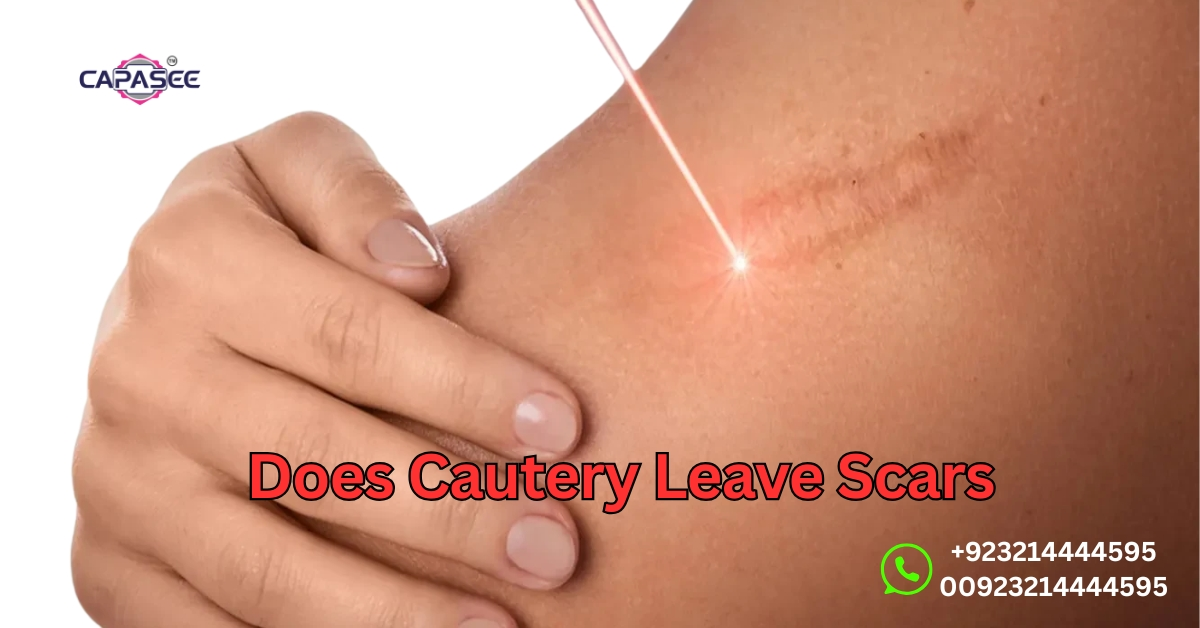
Have you ever peeked to see what a medical procedure, such as cautery does? Maybe you have wondered, does cautery leave scars? As usual for many, you might have sought answers in the hope of getting a peaceful mind. It is natural to feel concerned about the scars, and it is more so when the surgery might alter the appearance of your skin.
In this blog article, we will discuss further the topic of cautery and how it may influence scarring. You will have straightforward, easy to understand information concerning what to expect, whether cautery leaves scars, and how to mitigate them. Wait with us and we will tell you all you want to know.
Does Cautery Leave Scars? Expert Insights from Capasee
Cautery techniques, which are widely used to treat skin lesions, use heat or electrical currents to get rid of tissue. Cautery works well, but many people ask, does cautery leave scars? Yes, but the answer depends on a number of things. The risk of scarring can change based on your skin type, where the lesion is, and how well you take care of the area after it happens.
Electrocautery and skin cautery can leave scars as a side effect. But knowing what affects the healing process can help you avoid getting scars from cautery. If you’re wondering does cautery leave scars in every case, the answer is no, but the outcome varies. We will talk about all you need to know about scarring after a cautery surgery and how to care for your skin to help it heal properly.
Curettage and Cautery Scars vs. Surgical Scars
It is usually assumed that the risk of scarring by cautery is similar to the risk of scarring by surgery. Curettage and cautery scars tend to be less noticeable than scars of more invasive procedures. Cautery burns the skin at the top, and this can provide a scab whose healing requires minimal damage to the tissue, making it less likely that cautery leave scars in a significant way.
Conversely, the post-surgical scars can often be deeper and more visible. Post cautery wound care is highly crucial to the recovery of the skin as well as reducing the risk of keloid or hypertrophic scar.
You May Also Read This Blog: Cautery Machine Price in China
Scarring Risk Factors: Skin Type, Lesion Site, and Healing Variations
The ability of your skin to heal after cautery is highly dependent on the type of skin that you have. An example is that the dark-skinned individual will notice greater changes in the color of their skin. The site of the lesion is also of great interest since the scars can be evident in areas with increased strain or movement. These are all factors that influence whether cautery leave scars and how prominent they may be.
In addition, the healing period may vary. Indicatively, individuals with delicate skin can take a shorter time to heal, and this increases the chances of getting a scar due to the cautery procedure. Caring about your scabs post cautery, this will make you heal quicker and leave you with a less noticeable scar.
Does Cautery Cause Keloid or Hypertrophic Scarring?
Keloid and hypertrophic scars may occur sometimes due to the use of electrocautery and scarring. Such scars are raised, thus they can be more pronounced compared to the usual scars. You are more prone to scars of cautery in case you have a keloid history, or you have odd skin tendencies of healing or healing abnormally. So, does cautery leave scars like keloids or hypertrophic ones? It depends on your skin’s tendency to form such scar types.
The majority of individuals possess small flat cauterizations, particularly when they attend to their wounds appropriately following the operation. By adhering to care guidance correctly, it is possible to reduce the risk of developing hypertrophic and keloid scars and other issues that may occur with cautery.
Healing and Recovery After Cautery: What Patients Should Expect
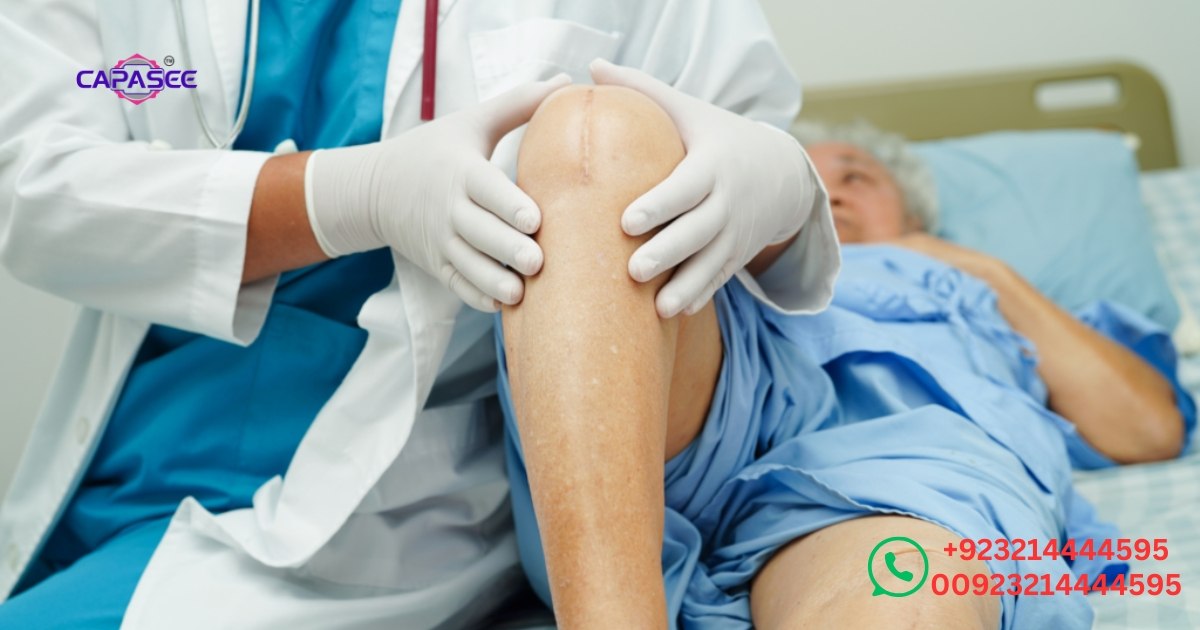
This is because after a cautery procedure, most individuals would be interested to understand the healing period of the scars and how it would occur. Recovery can take a matter of a few days up to a few weeks, depending on the nature of the skin and the location of the lesion. The skin typically goes through cautering, followed by a healing process of a scab covering the tissue in the process. Post cautery care of a wound is very critical to reduce scarring and to heal a wound in a proper manner. This care is essential if you want to minimize the chance that cautery leave scars.
The progression of the healing process, cautery can lead to redness and irritation on the skin; however, these effects are often short term. The scarring and electrocautery are different depending on the depth of the procedure and scarring caused by the cautery has mild and severe effects on the skin. Patients will be in a much better position to manage their expectations when recovering if they are aware of the risks and issues associated with cautery.
Cautery Scar Healing Time and Recovery Phases
Cautery scars healing time may vary according to the intensity of the procedure. Most patients undergo the initial period of healing, during which a scab develops following the cautery. The stage typically takes between 7 and 10 days, based on the size of the area being treated. The skin begins to heal as the scab drops, and this stage is when people often wonder, does cautery leave scars after healing?
The second phase is the initiation of skin regeneration and the formation of post procedure scarring is seen. To most individuals, skin tone is better after 2 to 4 weeks of cauterization, though one should not irritate the skin. Caution of this stage means that scarring of cautery is minimal, and the appearance of hypertrophic and keloid scar cautery is prevented.
Post Cautery Scar Care: Steps to Minimize Scarring
After cautery, taking care of the wound is very important to lower the chance of scarring. To help the skin recover correctly and address concerns like does cautery leave scars, keep the wound clean, use sunscreen, and stay away from strong chemicals. To reduce scars after cautery, you should moisturize the region gently and stay out of direct sunlight.
Most individuals have less scarring when they follow a cauterization side effects treatment regimen. If you know how to heal properly, you can avoid the risks and problems that come with cautery. Patients should also be aware of any discomfort or redness that may occur following cautery, as this may be a normal part of the healing process and doesn’t necessarily mean cautery leave scars permanently.
Electrocautery, Radiofrequency, and Chemical Cautery Scars Compared
Different types of cautery treating skin lesions might leave different amounts of scars. Wondering does cautery leave scars with all types? Electrocautery and scarring usually produce less noticeable scars, but radiofrequency cautery may leave deeper markings. Chemical cautery, on the other hand, can cause more noticeable alterations to the skin, like changes in skin color.
Electrocautery is a faster way to treat wounds than other procedures, and it has fewer problems. Different types of cautery treatment for skin lesions affect how the skin heals in different ways. Understanding how cautery leave scars depending on the method helps patients choose the appropriate treatment for their requirements if they know the distinctions.
Read More: Our Products
Preventing and Treating Cautery Scars with Advanced Care
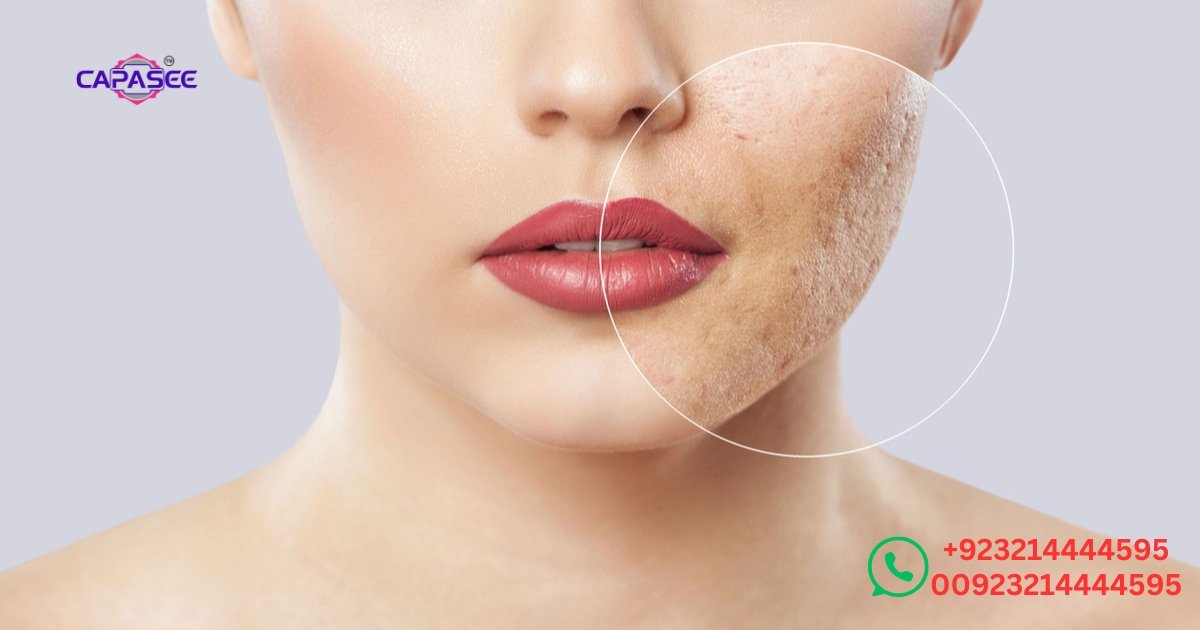
Many people are curious about the scarring caused by cautery procedures. Yes, cautery leave scars, but scarring can be reduced with the right care. Advanced wound care techniques, such as post cautery care, can help to reduce the appearance and speed up healing. The right treatment is essential to ensuring that your skin heals as quickly and with the least amount of damage.
Modern techniques can reduce the risk of scarring from cautery. When advanced techniques like sun protection, gentle moisturization and proper scab development after cautery are used, cautery leave scars that are easier to manage. These steps promote better skin healing and help prevent skin damage caused by cautery.
Minimizing Cautery Scars Through Modern Techniques
Recent methods, such as the use of electrocautery, wound dressing and laser procedure, can be used to reduce the healing period of cautery scars. These procedures activate natural healing of the skin and accelerate the healing process and discourage the appearance of cautery leave scars. Moreover, more recent technologies provide a chance to treat more accurately, which, among other complications, reduces hypertrophic and keloid scars through cauterization.
When appropriate aftercare is observed, side effects of cauterisation can be reduced. You decrease the risk of scarring in the event of a cautery procedure by using moisturizers and not applying too much pressure. These practices address the concern of whether cautery leave scars, helps in smooth healing, reduces scarring and provides a more natural appearance.
Cautery for Skin Tag and Wart Removal: Cosmetic Outcomes and Risks
Skin lesions, such as the removal of skin tags and warts, are usually cauterized to cosmetically remove the lesion. Although these types of treatment are successful, they may result in scars when they are not followed attentively. So, does cautery leave scars in such cosmetic procedures? Some side effects of skin cautery can include a change in pigmentation on the skin, especially in people with sensitive skin. Nonetheless, the procedure is not harmful as a rule when conducted in the hands of professionals, and possible risks and complications can be reduced through caution.
Electrocautery has a relatively speedy healing process, although the end result in the cosmetic look is dependent on other factors such as post cautery scab management and skin type. While cautery leave scars, it is a possibility that the scars can be minimized with proper treatment and the skin is restored to its normal texture.
Cautery Scar Treatment Options at Capasee Electro Medical Engineering
Capasee Electro Medical Engineering provides a particular scar cure aimed at scar healing. Such treatments can involve laser therapy and electrocautery to minimize scars. These options are available for those concerned about whether cautery leave scars and want better healing outcomes.
Our professionals are committed to reducing the effects of cautery using effective post cautery treatment. The correct solution will assist patients in recovering quickly and decrease the risk of developing hypertrophic and keloid scarring and also enhance their cosmetic outcomes.
FAQ’s
Do cauterized wounds scar?
Sure, cauterized wounds scar, but the intensity of the scarring is dependent on the care and the healing.
Will electrocautery leave a scar?
The scar that can be left behind by the electrocautery is normally small in the case of adequate aftercare.
What do cauterized scars look like?
Caterized scars can be flat and reddish. They may fade with time if they are properly cared for.
How long does it take for a cauterized scar to heal?
Healing takes between 2 and 4 weeks, depending on the area treated and aftercare.
How to prevent scarring after cauterization?
Keep the area tidy, moist and shaded against the sun in order to reduce scarring.
Final Thoughts
Does cautery leave scars? Yes, cautery has its scars, but when well attended to they may be kept down to a minimum. Aftercare moisturizing, shielding of the area against sunlight, and preventing friction are critical factors towards minimizing scarring. The extent of scarring is highly dependent on the type of your skin, the extent of the process, and the adherence to the post cautery care guidelines. With the precautions needed, a smoother healing process will be attained and the scars will be minimal when cautery is used.