
Have you ever been halfway through surgery or medical education and suddenly found yourself thinking, Wait, what is the temperature limit for monopolar cautery and why would it make any difference anyway? It’s a common frustration. You are aware that this is a high power tool, but you are always questioning each of the settings in fear of heat damaging the surrounding tissue. Even a small doubt may seem enormous when the lives of patients and correctness are at stake.
This blog clears the fog. We shall explore the actual temperature limit for monopolar cautery, its significance, and the safe use of such in practice. You will receive clear explanations without the use of complicated jargon, as well as workable information that you can implement. By the conclusion, you will be sure that you have discovered the obvious solution that you were trying to find.
Temperature Limit for Monopolar Cautery: Key Insights by Capasee
The temperature limit for monopolar cautery is very important in safe surgical procedures. Heat from an electrosurgical unit (ESU) helps in cutting or coagulating tissue. But too much heat generation causes serious tissue interaction problems. Patient safety and controlled outcomes are always the concern of safe practice.
Capasee Electro Medical Engineering describes the effects of appropriate electrosurgical energy and temperature controls in electrosurgery in minimizing risk. Adherence to the standards and precaution measures practiced in the operating rooms reduces the possibility of burn risk management problems. In the process of avoiding additional thermal dispersion in the course of the procedure, doctors can achieve equilibrium between current density and electrical conductivity.
What Is the Monopolar Cautery Temperature Threshold and Its Impact on Tissue Safety?
The cauterization heat threshold decides how much tissue can handle before injury. A stable electrosurgical temperature range ensures control in both coagulation vs. cutting modes. Too much heat leads to thermal injury in monopolar electrosurgery and slows healing.
Safe cautery temperature levels protect tissue during sensitive surgical procedures. Proper monopolar electrocautery settings keep the right balance. Doctors rely on electrosurgical safety guidelines to make sure the temperature limit never harms tissue.
Maximum Temperature in Monopolar Diathermy: Avoiding Heat Damage in Monopolar Electrodes
In the case of studies of surgical diathermy, higher heat induces direct tissue damage due to high temperature. The decrease in risks is achieved by means of controlled modes of coagulation. Electrodes are also safe when used in the daily operating room cautery measures because of the strong temperature control of the electrosurgical unit.
Monopolar cautery has energy settings that maintain constant temperature. Danger is reduced with good practice by the controlled application of heat in surgery. The approach prevents harm in the inappropriate settings of the monopolar cautery procedure.
You May Also Read This Blog: How To Use Cautery Pen For Skin Tags
How Duration of Cautery Influences Temperature Rise and Tissue Injury Threshold
Long exposure raises the temperature limit for monopolar cautery beyond safe levels. This makes the thermal effects of monopolar cautery dangerous for nearby structures. Less time and balanced electrosurgical energy protect against unwanted thermal spread.
Proper timing ensures safety in monopolar cautery. By managing duration, doctors stop tissue interaction that leads to thermal injury in monopolar electrosurgery. Respecting precautionary measures helps maintain trust in all operating room standards.
Case Table: Safe vs. Unsafe Temperature Practices
| Practice | Safe Effect | Unsafe Effect |
| Using safe cautery temperature levels | Protects tissue and ensures healing | Causes burns and delays recovery |
| Controlled energy settings for monopolar cautery | Reduces thermal spread | High risk of tissue damage from high temperature |
| Short cauterization heat threshold exposure | Maintains patient safety | Leads to thermal injury in monopolar electrosurgery |
Minimizing Thermal Risks: Lateral Thermal Spread and Electrosurgical Device Heat Limits Explained
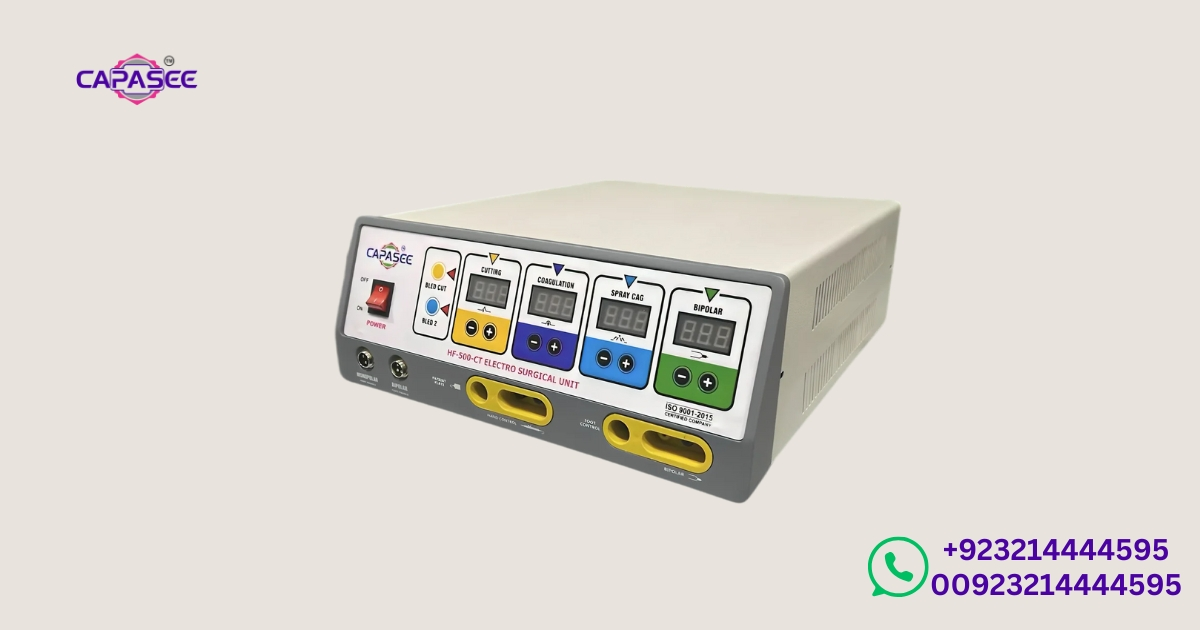
The temperature limit for monopolar cautery is the key to preventing unwanted tissue interaction during surgical procedures. In cases where the electrosurgical unit (ESU) operates within an acceptable electrosurgical range of temperatures, the heat remains localized. Uncontrolled thermal spread could be disastrous when the limit is exceeded.
Safe practice is achieved by following the operating room standards and proper monopolar electrocautery settings. Regulated temperature in electrosurgery using balanced electrosurgical energy prevents tissue injury from high temperature. Electrosurgical safety guidelines are applied by doctors to ensure that the appropriate current density is used to prevent patients from being subjected to too much heat production and injury.
Safe Temperature for Electrosurgery and Power Settings Monopolar Cautery Safety Tips
The permissible cauterization temperatures are based on the mode of coagulation or cutting that the surgeon selects. Monopolar cautery controlled energy settings ensure that the equipment operates within safe limits. This is a balance that cushions the patient as well as provides a smooth recovery after the surgery.
The heat in surgery is restricted by good management of the electrosurgical units temperature control and intelligent power settings. Doctors are less likely to burn their hands when they follow safety measures. This procedure reinforces the importance of precaution in surgery and limited heat application on the patient with regard to long term patient safety.
Electrocautery Thermal Injury Prevention: Protecting Against Heat Damage and Nerve Injury
Uncontrolled high surgical diathermy temperature may result in nerve damage. One should not exceed the cauterization heat threshold. Surgeons prevent severe thermal injuries when monopolar electrosurgery is used in a safe coagulation mode, with temperature limits. The heat should be well controlled both on the skin area and internal tissues.
Physicians use operating room precautionary measures to avoid burns. Adherence to such rules provides competent care. Regular application of precautionary measures, such as real time monitoring of electrical conductivity, is used to mitigate burn risk and minimize the harm caused by the thermal effect of monopolar cautery.
Risk of Burns from Grounding Pad Monopolar and How Capasee Electro Medical Engineering Ensures Protection
Monopolar cautery could cause the burn risk management to be more difficult because of improper pad usage. There may be an increase in heat at the grounding location when the contact is weak. Capasee Electro medical engineering engineers safe systems that will help regulate the temperature and improve the electrosurgical unit temperature regulation.
Their devices have sophisticated electrosurgical energy control in order to prevent burns. This guarantees the safety of patients in actual surgeries. They minimize the risk of tissue destruction by high temperatures and make sure that precaution measures are deployed at all times by adhering to high standards of operating rooms.
Safety Table: Good vs. Unsafe Practices
| Practice | Safe Effect | Unsafe Effect |
| Proper monopolar electrocautery settings | Maintains safe temperature limit | Increases heat generation risk |
| Following electrosurgical safety guidelines | Reduces thermal spread | Causes nerve and tissue burns |
| Using controlled heat application in surgery | Improves patient safety | Delays healing and increases damage |
Monopolar vs Bipolar Cautery Temperature Control
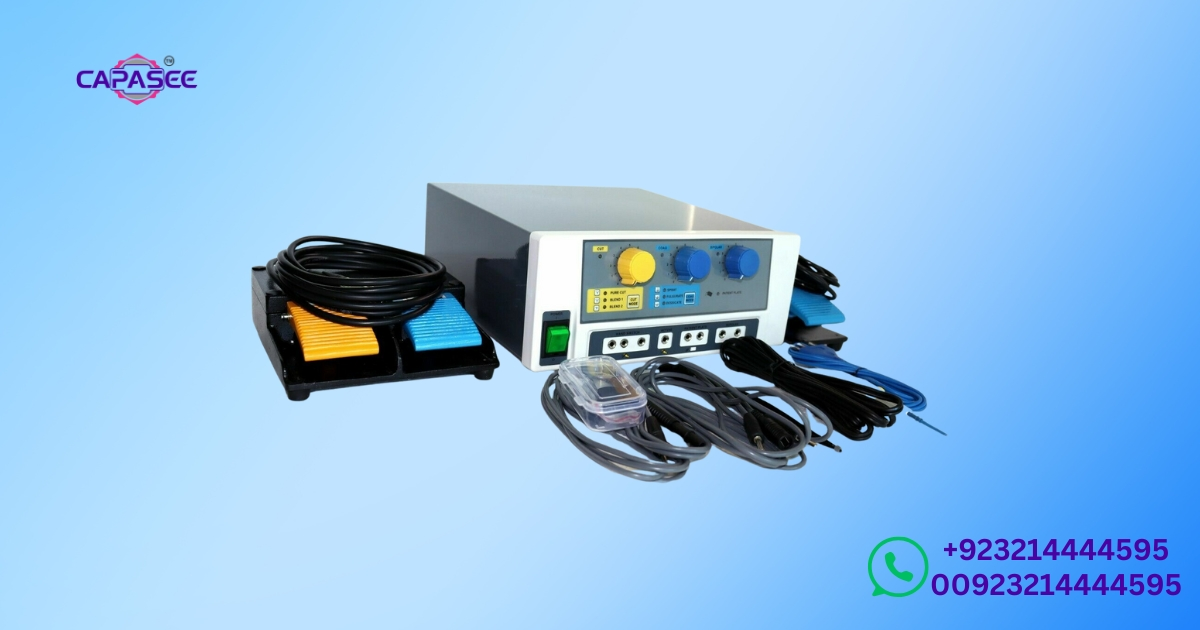
The temperature limit for monopolar cautery is higher compared with bipolar methods, making control important for safe surgical procedures. The intense heat production of a monopolar cautery risk enhances the likelihood of broad thermal dispersion, whereas bipolar equipment and devices retain energy levels within a smaller area and minimize the hazards.
Capasee Electro Medical Engineering pays attention to the point of sufficient control over the temperature of the electrosurgical units. They provide a balance between current density and electrical conductivity in their systems to provide safe monopolar electrocautery settings. Adhering to the operating room standards and using precautionary measures can reduce the chances of tissue damage due to high temperature.
Read More: Our Products
Comparing Monopolar Cautery vs Bipolar Cautery Temperature and Heat Effects on Tissue
Due to the thermal effects of monopolar cautery, it can go to a higher level and impact the nearby areas. Conversely, bipolar systems concentrate energy between ends, reducing coagulation risks as compared to cutting mode risks. Both need to have special attention to temperatures in electrosurgery to avoid damage.
There are controlled energy settings of monopolar cautery, which promote better healing of the tissue. Surgical care temperatures lower the injury rate. Regulated application of electrosurgical energy ensures patient safety of care ,whereas unregulated application of heat can cause burns and thermal damage in monopolar electrosurgery.
Histologic Effects of Cautery Heat: Understanding Tissue Response at Different Temperature Limits
Rising above the cauterization heat threshold creates deep tissue interaction changes. At high surgical diathermy temperature, proteins denature and cells die. This process explains why exceeding the temperature limit risks serious burn management problems and long recovery times.
Controlled heat application in surgery protects delicate structures. Safe handling avoids nerve damage and unwanted scarring. Experts recommend close monitoring of coagulation mode temperature limits and real time adjustments to minimize harm from thermal spread and maintain full patient safety.
Optimize Power Settings and Prevent Thermal Injury in Electrosurgery
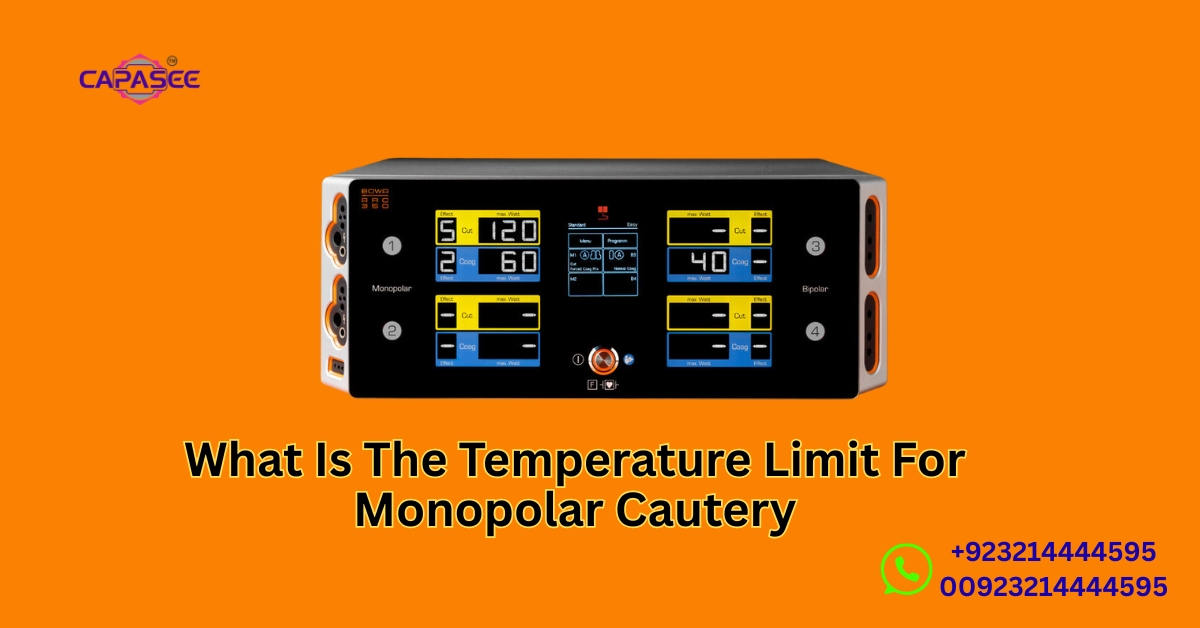
Professionals suggest maintaining low yet effective electrosurgical unit (ESU) settings. The monopolar electrocautery settings should be carefully balanced to reduce the amount of heat and stay within the recommended temperature limit for monopolar cautery. Following the electrosurgical safety measures will minimize complications and ensure that the temperature threshold of the monopolar cautery remains within the safe margins at all times.
Appropriate operating room cautery guidelines require the regulation of energy per case. This plan has defenses against thermal damage during monopolar electrosurgery and assists in preserving healthy tissue contact while adhering to the temperature limit for monopolar cautery. Precautionary actions are a sure way of developing confidence in secure outcomes and minimizing risks in contemporary surgical practice.
Safe Temperature Practices: Monopolar vs Bipolar
| Method | Safe Effect | Unsafe Effect |
| Monopolar cautery with correct energy settings for monopolar cautery | Precise cutting, fast coagulation | High thermal spread, tissue burns |
| Bipolar cautery with proper control | Limited tissue interaction and safety | Ineffective if power too low |
| Following electrosurgical safety guidelines | Strong patient safety outcomes | Poor burn risk management |
FAQ’s
What is the temperature of monopolar cautery?
The temperature of monopolar cautery usually ranges between 100°C and 1200°C, depending on the settings and procedure.
What are the disadvantages of monopolar cautery?
It can cause unwanted thermal spread, tissue burns, and higher risk of nerve damage if not controlled properly.
What is the cost of monopolar cautery lead?
The cost of a monopolar cautery lead in Pakistan varies, but it generally falls between PKR 3,000 to PKR 8,000.
What are the settings for monopolar cautery?
Settings depend on the surgery, but typically include low power for coagulation mode and higher power for cutting mode.
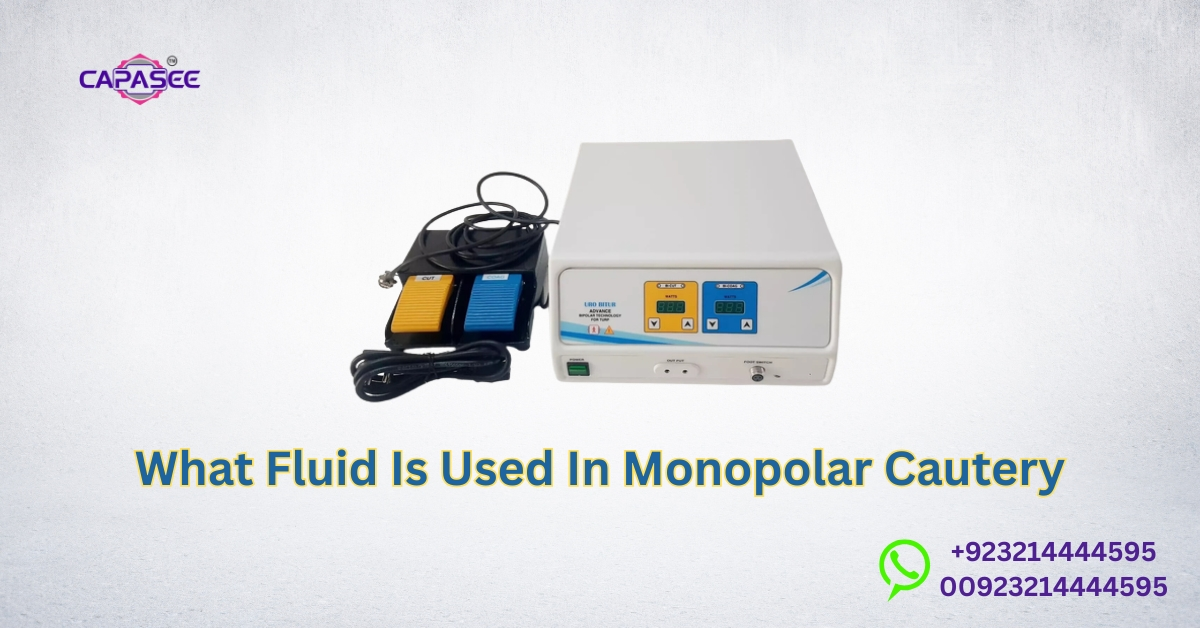
Which fluid is used in monopolar cautery?
Normal saline is commonly used as the safe and standard fluid in monopolar cautery.
Final Thoughts
Understanding what is the temperature limit for monopolar cautery is vital for safe surgical practice. When heat goes beyond the safe cauterization range, tissue injury and delayed healing can occur. Surgeons must follow electrosurgical safety guidelines, optimize energy settings, and apply strict operating room protocols. When the controls in the electrosurgical units are monitored appropriately and the electrodes are properly handled, the risks such as nerve damage or burns are highly avoided. Safe temperature control not only saves the lives of patients but is also the guarantee of sound results of contemporary electrosurgery in Pakistan.