
Have you been thinking about how to get permanently birth controlled, but get confused by all those pieces of information? Perhaps you will be asking yourself whether laparoscopic tubal ligation is the correct procedure for you. It is a big choice, and naturally, you have many questions as to how it functions, what to anticipate, and whether it would suit your needs. You are not the only one who wants to find some definite answers to these issues.
In this blog post, we shall take you through the whole story about laparoscopic tubal ligation. You will get an in depth, user friendly overview to assist you in making an informed decision, of the process itself and recovery tips. You may still be deciding on the merits and demerits, or you may simply want to learn more, but we have you covered with what you have been seeking.
What Is Laparoscopic Tubal Ligation?
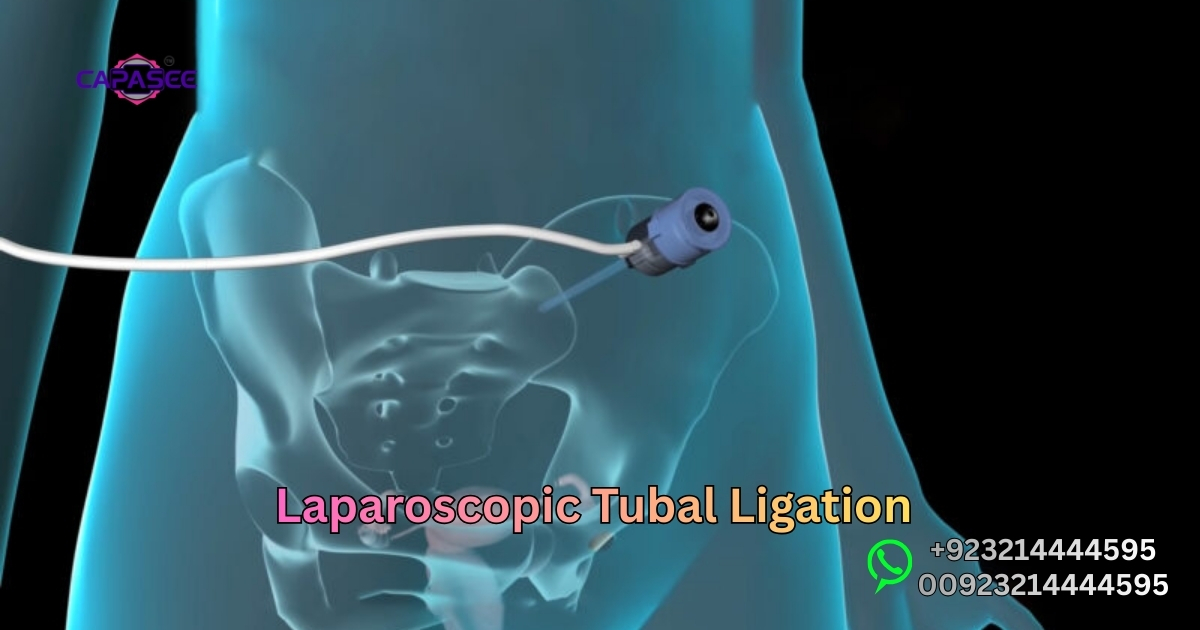
Laparoscopic tubal ligation is a small surgery that is performed to sterilize the female reproductive system. It is the process that involves the obstructing or excising of the fallopian tubes so that they will never conduct pregnancy again. The laparoscope insertion is used to perform the procedure by making small incisions in the abdomen.
This procedure has a few advantages compared to conventional surgery, which include a quicker healing process and less scarring. General anesthesia use is also important to make sure that the patients do not feel uncomfortable during the process of tubal ligation. The process is also effective in getting rid of the risk of pregnancy among women who are no longer interested in having children.
Tubal Ligation vs Tubectomy in Pakistan
Permanent contraception has been a common term for laparoscopic tubal ligation and tubectomy in Pakistan. Nevertheless, there exist minor variations in the approach. Tubectomy is performed by a surgical resection of a section of the fallopian tubes, whereas laparoscopic tubal ligation is the blockage of the tubes.
The decision to select one of the two approaches will rely on the preferences and the medical condition of the patient. The two procedures are permanent birth control methods that are widely done in Pakistan as family planning procedures.
You May Also Read This Blog: Laparoscopic Set
Bilateral Tubal Ligation Basics
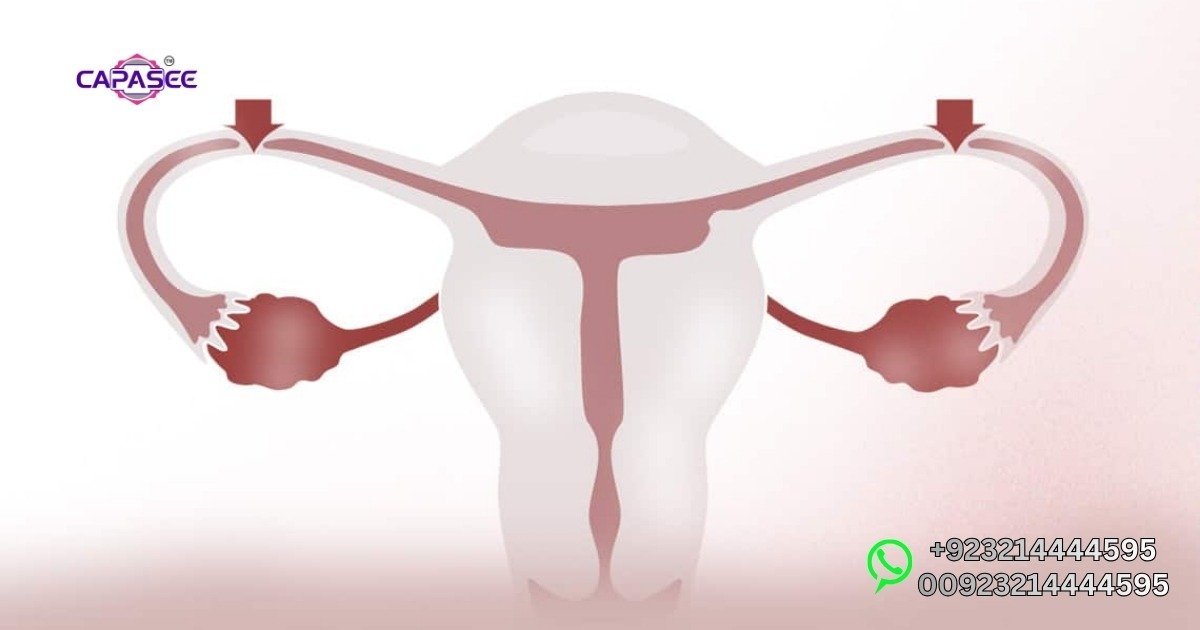
Bilateral laparoscopic tubal ligation is a procedure where by both of the fallopian tubes are blocked or cut. This allows the eggs to be prevented from traveling between the ovaries and the uterus, in effect preventing pregnancy. Laparoscope insertion is usually used in carrying out the procedure because it is more precise and faster to recover.
A bilateral salpingectomy may be done in certain cases, and in this case,e both tubes are excised. It is a more permanent solution, and it is also capable of minimizing the threat of some health complications, such as the occurrence of ectopic pregnancies.
Laparoscopic Sterilization Pakistan Options
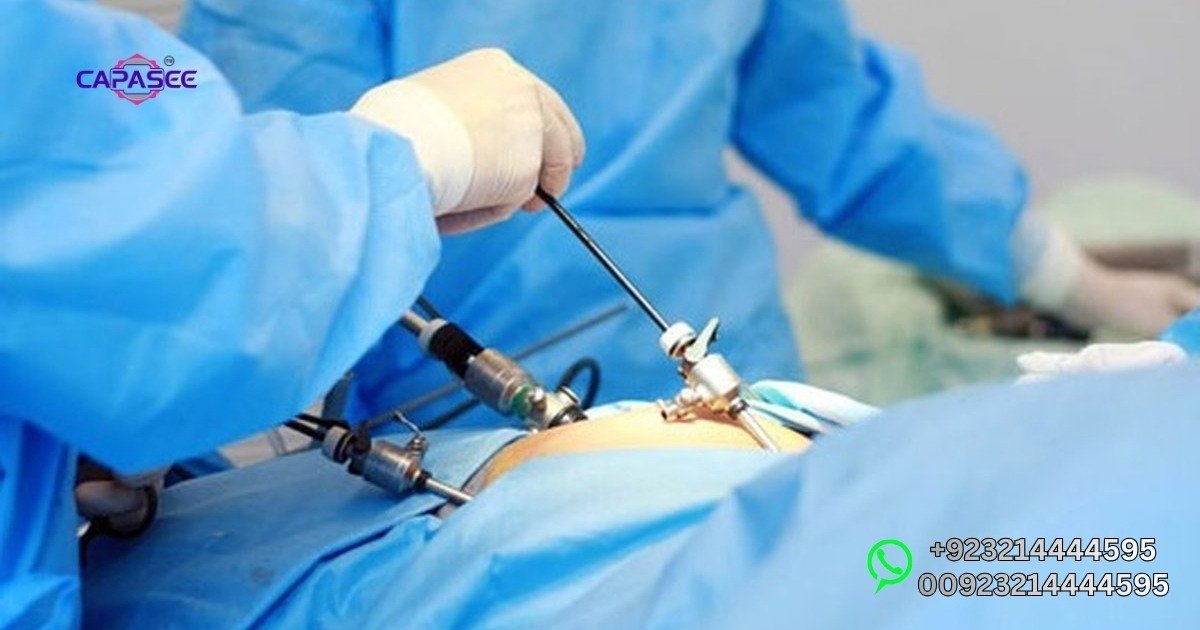
Laparoscopic sterilization facilities are relatively common in Pakistani hospitals and clinics, including laparoscopic tubal ligation services. Different methods are employed, and they are electrocautery sealing, bipolar coagulation, and Falope rings or Filshie clips to seal the fallopian tubes.
The techniques offer a safe alternative form of sterilization as compared to the conventional surgical method. The patient’s health, expertise of the surgeon and the resources are the factors that often determine the type of technique that will be used.
Laparoscopic Tubectomy Pakistan Process
General anesthesia forms the start of the laparoscopic tubectomy procedure, which is similar to laparoscopic tubal ligation. Subsequently, a small opening is made, and then carbon dioxide gas is applied to inflate the abdomen. This causes the fallopian tubes to become more likely to be blocked or cut by the surgeon.
The process usually takes an average of 30 minutes, with the majority of the women leaving home on the same day. The recovery is quicker than that of open surgery, and a woman can be back to normal activities within a few days.
Why Choose Capasee for Sterilization?
Capasee provides the best laparoscopic tubal ligation and sterilization services in Pakistan, and the patients are given the most advanced techniques in tubal occlusion. The clinic is safe and comfortable with competent surgeons and state of the art technology.
A decision in favor of Capasee will imply high quality care, proper guidance during the process of female sterilization, and a rapid process of recovery. The clinic specializes in permanent contraception, making it a great option among people who wish to have an alternative birth control that is long lasting.
Tubal Ligation Cost Pakistan Breakdown
Laparoscopic tubal ligation in Pakistan varies in its cost depending on the clinic and the procedure. At Capasee, transparency plays a significant role, where the prices of female sterilization are competitive and clear. The price covers all the tests required, general anesthesia, and treatment after the operation.
By selecting Capasee, the effective pricing of tubal sterilization will be offered, with explicit descriptions of all costs, such as laparoscope insertion, bipolar coagulation, and other related costs. This is an easy to understand pricing that enables patients to strategize their budgets.
Affordable Rates at Capasee Electro Medical
Capasee is also cheap in offering laparoscopic tubal ligation, thus being a choice of many in Pakistan. Small incisions and less invasive surgery provide patients with a less expensive surgery and a rapid healing process.
The clinic pricing is such that it offers permanent contraception without affecting quality. Tubal sterilization is the best option as patients get world class care at an affordable cost.
Factors Affecting Tubal Ligation Cost
The cost of laparoscopic tubal ligation in Pakistan is affected by several factors. The clinic and the experience of the surgeon, as well as the additional price, involve the use of modern ways such as the application of the electrocautery sealing or Filshie clips.
Moreover, the cost might be influenced by the complexity of the procedure, e.g., bilateral salpingectomy. Firms such as Capasee can provide competitiveness and high standards of care and service at affordable prices.
Check More & Purchase: Our Products
Capasee: Top Choice for Tubal Ligation
Capasee is one of the best options for laparoscopic tubal ligation in Pakistan. The skill of the clinic in female sterilization would mean that all the procedures, such as interval tubal ligation to postpartum tubal ligation, are carried out with accuracy and care.
The effectiveness and safety of the procedure are ensured by the use of the most current technology of laparoscope insertion, as well as trained surgeons used by Capasee. The clinic has a complete care package, consultation, and aftercare, so it is a reliable service provider for permanent contraception.
Procedure Steps with Capasee Tech
The process at Capasee takes a few straightforward steps, which include; the patient is first put under general anesthesia. After that, the surgeon creates small holes where he or she is going to insert the laparoscope. Gas fallopian tubes should be clearly visualized to ensure that abdominal insufflation is done with carbon dioxide gas.
Bipolar coagulation or Falope rings are used by the surgeon to obstruct the tubes. This is a procedure that can be done in about 30 minutes, and in most cases, the patients can be discharged on the same day.
Recovery & Risks in Pakistan
Laparoscopic tubal ligation recovery at Capasee is usually fast, and most women go back to normalcy in a few days. Nevertheless, it is not without some risks, such as infection, bleeding, or electrocautery sealing complications.
Capasee gives good after procedure care and follow up to guarantee a good recovery. Nevertheless, the risks should not prevent the procedure, as it is marked by a high success rate,s and its use is deemed to be safe in the majority of women who want permanent contraception.
Frequently Asked Questions
How painful is a laparoscopic tubal ligation?
Laparoscopic tubal ligation is associated with minimal pain, and most of the pain is not severe and can be treated with painkillers as the person recuperates.
What is the difference between tubal ligation and laparoscopy?
Tubal ligation is the process where the fallopian tubes are blocked or cut, and laparoscopy is a process where the surgeon operates through small incisions with the use of a camera.
What is the best method of tubal ligation?
The most appropriate approach would rely on the health and preferences of the patient. Laparoscopy tubal ligation is quite popular due to its minimal invasiveness and quicker healing.
What are the risks of laparoscopic tubal ligation?
Although these are rare, there is a risk of infection, bleeding, or organ damage to the immediate organs. But with good treatment and professionalism, the complications are minimal.
At what age is tubal ligation recommended?
Tubal ligation is commonly advised to women at the age of above 30 who are confident that they never want to have children, though it can be advised earlier in case of a medical need.
Final Thoughts
Laparoscopic tubal ligation is a safe, effective, and minimally invasive option to permanent contraception. Being able to recover fast with little pain, it has become a new favorite of women who are sure they do not want any further children. When one decides to get a surgery, a visit to a reliable clinic such as Capasee will give oneself the best treatment, as the medical practitioners are professionals and capable of delivering the best care. In case you are thinking about laparoscopic tubal ligation, you need to discuss this matter with a healthcare professional and find out whether this type of ligation suits your lifestyle and needs.